
Importing a Car From China to Africa: Complete 2026 Guide
Importing a car from China to Africa means going through a Chinese company accredited for export, checking the maximum age and steering side accepted by the destination country, then budgeting for customs duties that can double depending on the market. This article details, country by country, the rules verifiable as of 27 September 2026.
Three Chinese channels: new, used and electric vehicles
A car can only leave China legally through a company holding an export licence issued by China's Ministry of Commerce. An African buyer cannot deal directly with a factory or a private Chinese seller to export a vehicle themselves, whether new or used.
The used car market follows an even narrower channel: only companies specifically approved for this type of export can ship a unit out, under criteria set case by case (holding period, mileage, absence of major damage). A minimum holding period of 180 days before export, and a separate regime for electric vehicles said to apply since 1 January 2026, both circulate in the trade press without an official text found as of 27 September 2026: confirm directly with the approved exporter before any purchase.
Steering side and maximum age: what blocks a vehicle on arrival
Two conditions set by the destination country, never by China, decide whether a vehicle can legally circulate there: which side the steering wheel is on, and its age since manufacture. Both must be checked before purchase, never after loading.
Drive on the left, so accept right-hand drive: Kenya, Uganda, Tanzania, Zambia, Zimbabwe, Mozambique, Eswatini, Lesotho, Namibia, South Africa. Drive on the right, so require left-hand drive: Nigeria, Ghana, Senegal, Ivory Coast, Benin, Burkina Faso, Mali, Niger, Cameroon, Gabon, Morocco, Algeria, Tunisia, Egypt, Rwanda, DRC. A vehicle with the steering wheel on the wrong side risks being refused customs clearance.
The maximum age accepted is most often counted from the year of manufacture, under rules revised as finance laws change, sometimes several times in the same year. No single figure applies across the whole continent: the limit in force should be reconfirmed with the destination country's customs authority at the time of purchase.
Olvassa el még SONCAP, BIVAC, PVoC: Pre-Shipment Inspections in Africa in 2026
Nigeria: the leading market, left-hand drive required, high duties
Nigeria drives on the right and does not accept right-hand-drive vehicles for everyday use. An April 2022 directive from the Ministry of Finance sets the base duty at 20%, plus a National Automotive Council levy of 20% on new vehicles and 15% on used ones, for an effective rate of 40% and 35% respectively, according to the US Department of Commerce trade guide.
The maximum age accepted remains uncertain: the oldest customs list still documented cites 15 years, while several trade sources from 2026 report a 12-year limit, to be confirmed with a freight forwarder before any shipment.
Freight from China mostly transits through the Lagos area: Apapa handles most containers, Tin Can Island specialises in Ro-Ro vehicles and bulk cargo, and Lekki Port takes the largest container ships. In the first half of 2026, average port dwell time there was 3.3 days, against 5.1 at Tin Can Island and 6.1 at old Lagos port.
Olvassa el még Importing from China to Nigeria: customs, SONCAP, costs 2026 · SONCAP, BIVAC, PVoC: Pre-Shipment Inspections in Africa in 2026
East Africa: Kenya, Uganda, Tanzania and Rwanda
Kenya combines two rules confirmed with the Kenya Revenue Authority: a maximum age of 8 years from the year of manufacture, under standard KS 1515:2000, and mandatory right-hand drive, with a left-hand-drive vehicle refused except for exceptions (ambulances, construction equipment).
Uganda maintains a 15-year ceiling: a plan to cut it to 13 years was withdrawn in 2026. The current environmental levy exempts vehicles under nine years old; beyond that, it reaches 50% of the customs value for a car and 20% for a commercial vehicle, according to the Uganda Revenue Authority.
Tanzania taxes by age and engine size, with no precise threshold confirmed by an official source. Rwanda has required Euro 4 compliance for every imported vehicle since 18 August 2025, except for units under two years old, and exempts electric vehicles from duty until June 2028.
Olvassa el még Importing from China to Kenya: Customs, PVoC and Costs 2026 · Importing from China to Uganda: customs, UNBS and costs in 2026 · Importing from China to Tanzania: customs, TBS and PVoC in 2026 · Importing From China to Rwanda: Customs, RSB and Corridors in 2026
Southern Africa: South Africa and Mozambique
South Africa protects its car industry with a 25% duty on light vehicles, kept until 2035, against an average tariff of 7.5% across all products in 2024. Importing used goods, including vehicles, also requires a permit from the International Trade Administration Commission.
Mozambique bans the import of left-hand-drive vehicles for commercial use, since the country drives on the left. A pre-shipment inspection of any used vehicle is mandatory there, carried out by Intertek, for 265 US dollars plus tax per unit.
Olvassa el még Importing from China to South Africa: customs, NRCS and costs in 2026 · Importing from China to Mozambique: Customs, INNOQ and VAT in 2026
West and Central Africa: Senegal, Ivory Coast, Ghana and Benin
Senegal raised, by decree of 24 October 2025, the age limit to ten years for passenger cars and light commercial vehicles and to fifteen years for trucks, up from eight years before. The ECOWAS tariff and 18% VAT apply on top; a 10% excise duty on passenger cars, cited by a 2021 French customs brochure, still needs confirming with a Senegalese customs broker, as no local primary text has been re-verified.
Ivory Coast has capped the age of imported used vehicles since decree n° 2017-792 of 6 December 2017, confirmed on the Ivorian customs website, which does not publish the detailed scale online: several trade sources report a scale by vehicle category, counted from first registration abroad, to be confirmed with an Ivorian customs broker before any shipment.
Ghana is tightening its rule from 1 October 2026, according to a Ghana Standards Authority notice not found on its official website: a ban beyond fifteen years, up from ten before, with the loading date determining eligibility. In Benin, Cotonou redistributes a large flow of used vehicles to Niger, Burkina Faso and Mali, but the age thresholds cited remain inconsistent and unconfirmed.
Olvassa el még Importing from China to Senegal: Complete 2026 Guide · Importing from China to Côte d'Ivoire: 2026 Guide · Importing from China to Ghana: Duties, Standards and Steps in 2026 · Importing from China to Benin: Customs, VAT and Cotonou Port in 2026
Ro-Ro or container, ports of entry, and common scams to avoid
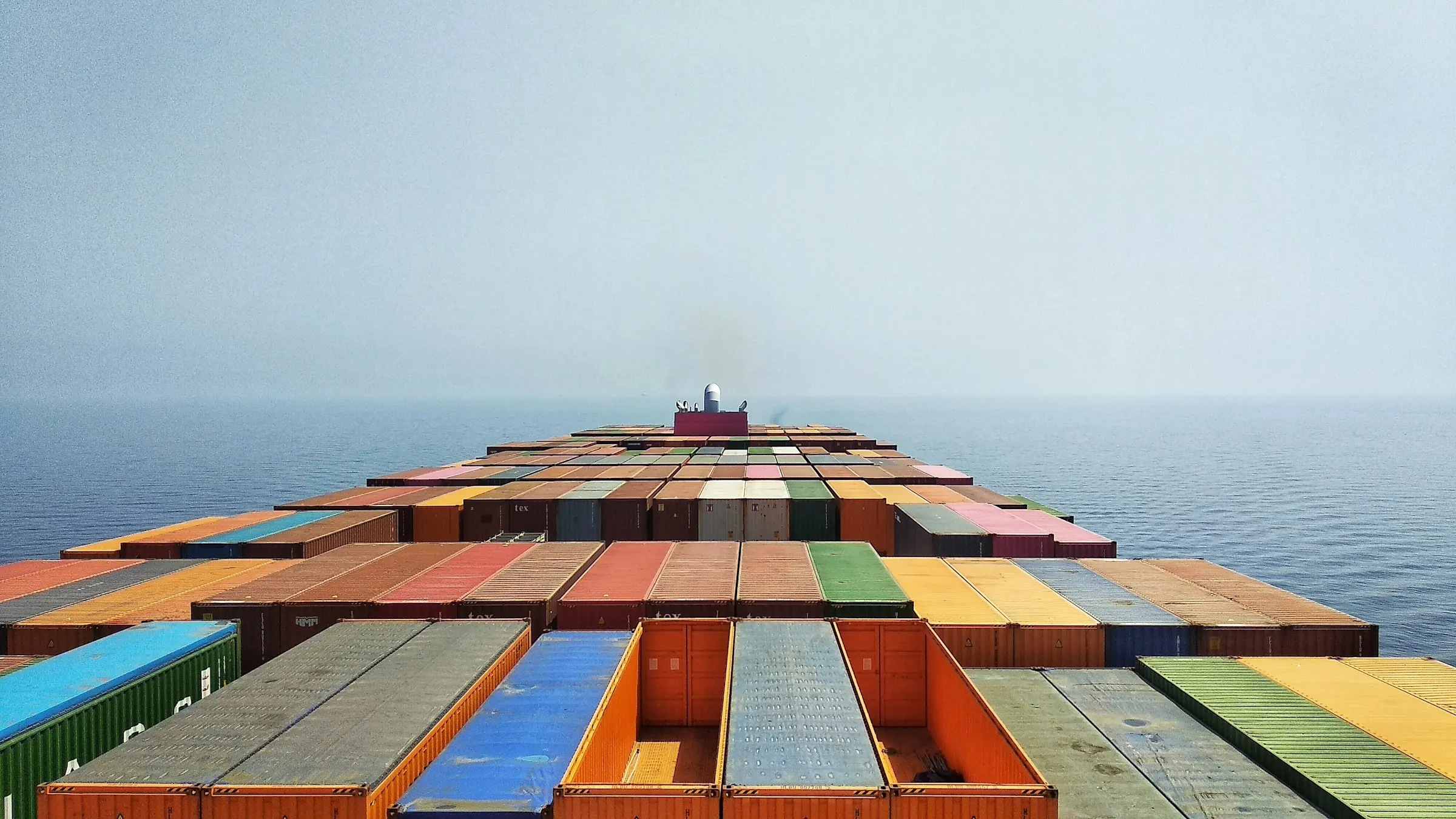
Two modes share the transport of a vehicle to Africa. Ro-Ro, roll-on roll-off, drives the vehicle onto the deck of a specialised ship: faster loading, lower cost, but less protection and a narrower choice of ports. A container protects more, allows spare parts to be added inside, and remains the only option for a damaged vehicle. The major ports of entry vary by coast: Lagos, Cotonou, Abidjan, Dakar or Douala on the Atlantic side, Mombasa, Dar es Salaam or Durban on the Indian Ocean side.
A tampered odometer remains the most cited risk on a used vehicle resold for export: a reading far lower than the real wear on the pedals or tyres suggests. Fake documents form the second risk: a fabricated certificate of origin, or a vehicle identification number that does not match the one stamped on the chassis. An independent inspection before loading, with photo and video records, remains the best protection; a refusal of this inspection, combined with a below-market price, should stop the deal.
Olvassa el még Tengeri szállítás Kínából: FCL vagy LCL, költségek, határidők és váltási küszöb · Hajóraklevél (bill of lading): fogalma, szerepe és típusai · Kínai beszerzési csalások: felismerés és elkerülés
The role of an approved exporter, and what Sorva does for you
Sorva does not hold a Chinese export licence and never exports a vehicle without going through a company that does; on arrival, Sorva is never the official importer in the client's country and does not handle local customs clearance, that responsibility remaining with the client or their local freight forwarder.
Between these two points, Sorva, with its Chinese-speaking team in Guangzhou, verifies the approved exporter and the seller, arranges a pre-loading inspection (actual condition, mileage, document consistency), then organises freight, Ro-Ro or container, to the chosen port. The base offer is quoted in US dollars, with zone options, such as SONCAP support for Nigeria, priced on request.
Remember that three checks decide whether a Chinese car can legally arrive in Africa: the Chinese company's export licence, the steering side and maximum age accepted by the destination country, and the actual duties and taxes of the arrival market, which vary sharply from one country to another. First step: identify the exact destination country and its driving side before looking at any car model in China.
Beszéljünk a projektjéről
Gyakori kérdések
01Can I buy a car in China and export it to Africa myself?
02Do I need a right-hand-drive or left-hand-drive car for Africa?
03What is the maximum age for a used car imported into Nigeria?
04What are the customs duties on a Chinese car imported into Nigeria?
05How much does a Chinese car imported into Africa cost?
06How do I avoid a tampered odometer on a used Chinese car?
07Is China restricting electric vehicle exports from 2026?
08Can Sorva clear the car through customs on arrival in Africa?
A megfelelő szolgáltatás
- JutalékMennyiségi jutalékÖn megnyit egy dossziét, mi megtaláljuk és tárgyaljuk a gyárat. Csak az Ön által megrendelt áru után kapunk fizetést.150 €dosszié megnyitásának költségeSzolgáltatás megtekintése
- DarabonkéntBeszállító ellenőrzéseKi is valójában a másik fél cége: működési engedély, tőke, engedélyezett tevékenységi kör, exportjog.79 €beszállítónkéntSzolgáltatás megtekintése
- EgységenkéntEllenőrzés berakodás előttMennyiségek, csomagolás, jelölés, konténer állapota, fényképdokumentáció, mielőtt az áru elindul.229 €rakományonkéntSzolgáltatás megtekintése
- Szakértői irodaSzabályozási megfelelőségi tanulmányAmit a termékének a célországban be kell tartania, írásban és forrásokkal, az első rendelés előtt.390 €termékenként és célországonkéntSzolgáltatás megtekintése