
Importing from China to Singapore: Customs, GST and Logistics Hub 2026
Singapore imports from China under a distinctive setup: a free port with customs duties close to zero on almost every tariff line, but a 9% GST that applies systematically. This article gathers, with sources, the rates, documents and procedures useful to an importer based in Singapore, as of September 27, 2026.
What Singapore Imports from China, and the Niches of a Re-export Hub
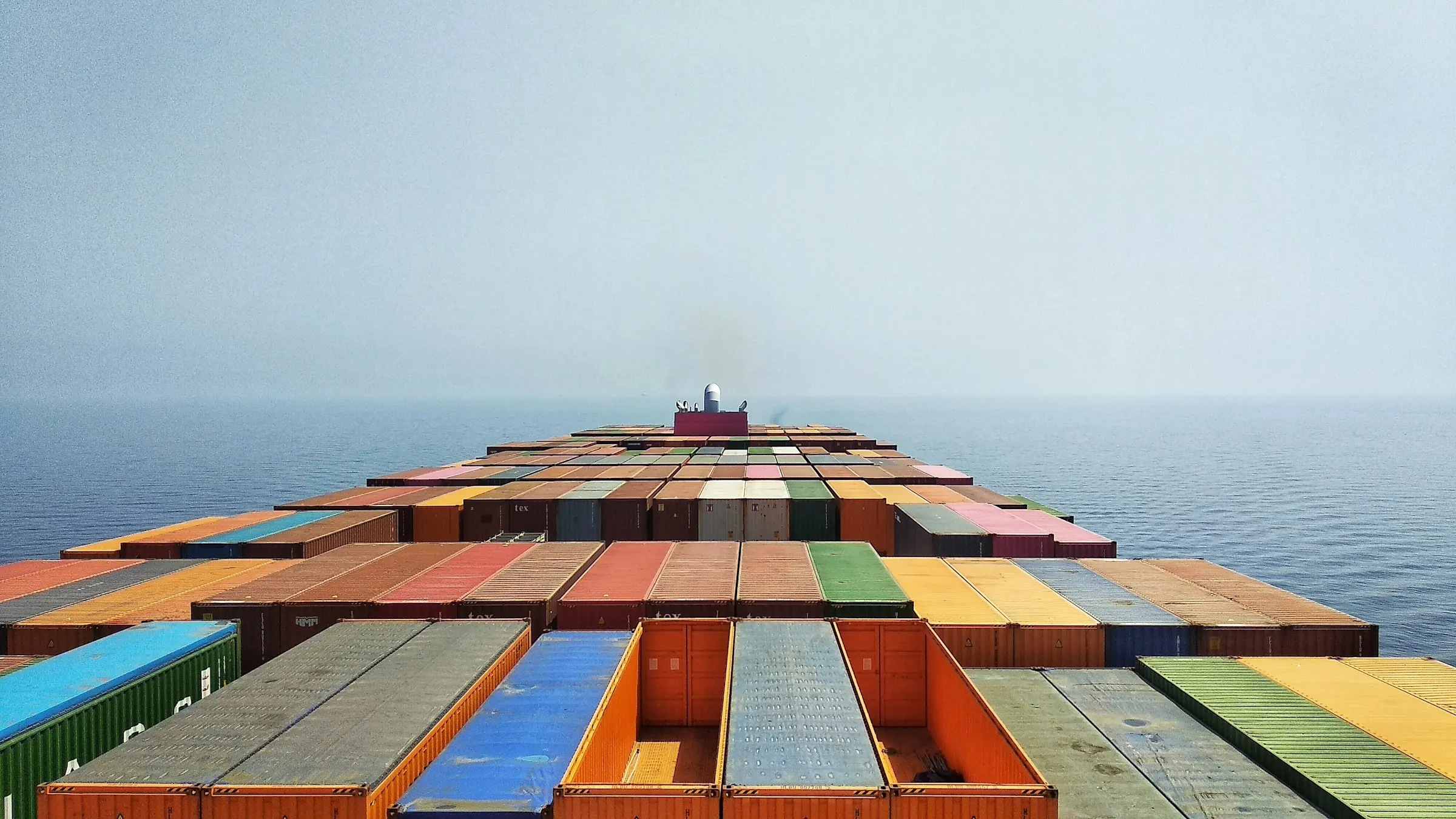
Singapore imported 452.9 billion dollars of goods in 2024, including 436.6 billion excluding agriculture, with 100% of non-agricultural tariff lines applied at zero duty (WTO, ITC, UNCTAD, World Tariff Profiles 2026, 2024 data, accessed September 27, 2026). The country functions less as a closed consumer market than as a regional transit point: its port handled a record 44.66 million TEUs in 2025, up 8.6% year on year, and remains the world's busiest container transshipment hub (Maritime and Port Authority of Singapore; Singapore's Ministry of Transport, accessed September 27, 2026).
These figures cover all countries of origin combined: the exact share of China by product category has no verifiable official breakdown, to be confirmed with Singapore's Department of Statistics.
- Electrical machinery and electronics: 31.8% of non-agricultural imports
- Mechanical machinery, office and computing equipment: 18.2%
- Minerals and metals: 10.9%
- Chemical products: 7.4%
- Transport equipment: 3.4% (all duty-free, WTO, 2024 data)
Singapore and China: WTO Status, Bilateral Agreement and RCEP
Singapore has been a WTO member since 1995, with bound coverage of 72.0% of its tariff lines overall and 67.3% for non-agricultural products (WTO, World Tariff Profiles 2026). The US government's trade guide confirms a bilateral free trade agreement with China, and Singapore's participation in the Regional Comprehensive Economic Partnership, linking ASEAN with China, Japan, South Korea, Australia and New Zealand (trade.gov, accessed September 27, 2026).
This China-Singapore Free Trade Agreement entered into force on January 1, 2009, with an upgrade protocol applicable since December 31, 2024 (Singapore's Ministry of Trade and Industry). Its line-by-line preferences still need to be checked with Enterprise Singapore for a given product: in practice, the gap with the general regime remains narrow, since nearly all tariff lines are already duty-free, agreement or not.
Vakio ihany koa Sertifikan'ny fiaviana Shina : ny ilàny ary ny fotoana angatahana azy
Customs Duties and GST on Import: Rates and a Worked Example
Singapore applies a zero customs duty, on simple average, on nearly all its non-agricultural tariff lines in 2025, a free port under most-favoured-nation treatment (trade.gov; WTO, World Tariff Profiles 2026, accessed September 27, 2026). Only four categories remain subject to excise duty, for social or environmental reasons: distilled spirits and wine, tobacco, motor vehicles, petroleum products (trade.gov). The exact rates, per litre of pure alcohol or by engine capacity, need to be checked product by product with Singapore Customs before placing any order.
GST has stood at 9% since January 1, 2024, on the import of goods as on most local supplies (IRAS, iras.gov.sg; trade.gov, accessed September 27, 2026). Example on a customs value of 50,000 Singapore dollars for a shipment not subject to excise duty: zero duty, a GST base of 50,000 Singapore dollars, GST at 9%, or 4,500 Singapore dollars due on clearance. For a product subject to excise duty, the duty is added to the customs value first, with GST then calculated on this increased total.
Vakio ihany koa Valeur en douane sy ny fikajiana ny hetra ladoany : fototra, fanitsiana, tahany · Ny TVA amin'ny fanafarana entana sy ny autoliquidation : ahoana ny fomba fiasany any Frantsa
Mandatory Documents to Import and Clear Goods Through Customs
Any goods imported into Singapore require a permit, obtained through the national electronic system, a largely automated formality for most uncontrolled products (trade.gov; customs.gov.sg, accessed September 27, 2026). The importer must hold a Unique Entity Number and open a Singapore Customs account before filing any declaration.
- Commercial or proforma invoice, with description, quantity and value
- Packing list detailing weight and packing method
- Ocean bill of lading or air waybill
- Certificate of origin
- Value documents, including freight and insurance, to establish the customs value
- Import permit obtained before the goods arrive
- Bona fide commercial samples under 300 US dollars: exempt from duty, GST and permits, when used to solicit orders or for testing (trade.gov)
Vakio ihany koa Faktiora ara-barotra fanafarana : fanondroana takina amin'ny fadintseranana · Packing list (liste de colisage) : famaritana, ny votoaty tsy maintsy hisy
Standards, Certifications and Pre-shipment Control Bodies
Enterprise Singapore coordinates the national framework: the Singapore Standards Council develops standards through twelve sector committees, including electronics and food, while the Singapore Accreditation Council accredits testing, inspection and certification bodies (trade.gov, accessed September 27, 2026). Singapore recognizes, through ILAC, IAF and APAC, test reports from accredited foreign bodies carrying the corresponding marks.
Some product families fall additionally under a sector regulator: the Consumer Product Safety Office for household electrical and gas appliances, the Health Sciences Authority for medical devices, the Info-communications Media Development Authority for telecommunications equipment, the Singapore Food Agency for food products (trade.gov). No schedule of costs or timelines was found for these approvals: to be checked with each body before any production run.
Vakio ihany koa Antontan-taratasy ara-teknikan'ny vokatra : izay tsy maintsy anan'ny mpanafatra · Fanafarana entana elektronika avy any Shina : LVD, CEM, RoHS, DEEE
Prohibited or Licence-controlled Products
Several product families require a licence before entering Singapore: strategic dual-use goods, hazardous chemicals, radioactive materials, films and video games, weapons and ammunition, agricultural biotechnology, medical devices, medicines, high-dose vitamins, cosmetics (trade.gov, accessed September 27, 2026). Outright prohibited: weapon-shaped lighters, firecrackers, handcuffs, spent cartridge cases and silencers.
Singapore Customs also runs three cross-cutting frameworks: chemicals under the Chemical Weapons Convention, strategic dual-use goods, and restrictions arising from United Nations Security Council sanctions (customs.gov.sg, accessed September 27, 2026). Restrictions on chewing gum or e-cigarettes are reported but not verified here against a primary official source: to be confirmed by Harmonized System code before placing any order.
Vakio ihany koa Kaody fadin-tseranana SH, NC, TARIC : mahita ny kaody marina, ary nahoana izy no manan-danja
Ports, Routes from Southern China and Recommended Incoterms
The Port of Singapore handled 44.66 million TEUs in 2025, up 8.6% year on year, with a record gross tonnage of 3.22 billion tonnes of vessels arrived, up 3.5% (MPA, accessed September 27, 2026). From Guangzhou, Shenzhen or Yantian, regular lines serve Singapore: no single, verifiable transit time was found, to be requested from your freight forwarder at the time of booking. Air freight remains reserved for urgent or low-volume shipments.
Goods deposited in a customs-bonded free trade zone in Singapore are not considered imported: duty and GST stay suspended as long as the goods are neither consumed locally nor released onto the local market, which eases transshipment toward ASEAN (Singapore Customs, accessed September 27, 2026). FOB southern China works if the buyer arranges transport; CIF or CFR when an intermediary handles it through to the Singapore port; DDP should be used with caution unless the seller holds an active customs account in Singapore.
Vakio ihany koa Incoterm FOB : dikany, adidy ary vidiny (Incoterms 2020) · Fret maritime Shina : FCL na LCL, sarany, fe-potoana ary fetra fifanoloana
Payment, Steps for a First Order and What Sorva Does for You
On payment, common practice remains a deposit at order, followed by a balance before shipment, paid exclusively into the Chinese company's business account, never a personal account: a change of bank details received by email should be verified with a direct phone call before any transfer, as this fraud remains common in sourcing from China. Currency risk stays secondary to supplier risk for a first order.
A first order follows a precise sequence: specifications, factory verification, approved sample, proforma invoice with the chosen incoterm, permit filed through the national electronic system, production follow-up, pre-shipment inspection, freight to the chosen port, then customs clearance and GST paid by the client or their local freight forwarder.
Sorva is a sourcing and trading house based in Guangzhou, in the Tianhe district, backed by a Chinese subsidiary whose business scope covers the purchase, resale and export of goods, and by a French parent company. Our Chinese-speaking team researches and verifies factories, arranges visits and samples, negotiates, has quality checked before loading and organizes freight to the chosen Singapore port, gathering the documents useful for your compliance file. We never act as the official importer of record in Singapore, do not clear goods through customs on-site, and do not export vehicles without a licensed Chinese exporter. Our base offer is priced in dollars, with zone options quoted on request.
Vakio ihany koa Fandoavana ny mpamatsy sinoa : virement, lettre de crédit · Fanafarana voalohany : ny dingana folo sy ny fahadisoana mandany vola be
Keep in mind that in Singapore, the customs duty is zero for nearly all manufactured goods from China, but the 9% GST applies from clearance onward. First step: check whether your product falls under one of the four excise categories or a sector approval, before starting production.
Manafatra avy any Shina ve ianao?
Lazao aminay izay tadiavinao hovidina. Mamaly amin'ny WhatsApp ny ekipanay, miaraka amin'ny orinasa mpamokatra, ny fe-potoana ary ny antontan-taratasy takian'ny firenenao.
Fanontaniana matetika apetraka
01What is the GST rate on an import from China to Singapore?
02Do I need to pay customs duties to import from China to Singapore?
03Is there a free trade agreement between China and Singapore?
04What documents are needed to clear goods from China through customs in Singapore?
05Does a Chinese electronic product need certification before entering Singapore?
06Why is Singapore a hub for re-exporting to ASEAN?
07Can Sorva clear my goods through customs on arrival in Singapore?
Izay miova amin'izao fotoana izao
- Chine · Fiscalité export
Shina: manjavona ny famerenam-bola TVA amin'ny fanondranana ho an'ny sokajy vokatra 271
Manomboka amin'ny 1 aprily 2026, nesorin'i Shina ny famerenam-bola TVA amin'ny fanondranana ho an'ny sokajy vokatra 249 ary nampidininy avy amin'ny 9 ho 6 % ny an'ny bateria. Voakasik'io fepetra io indrindra ny PVC, ny fitaratra, ny tanimanga, ny sela photovoltaika ary ny sigara elektronika, ary mampiakatra ara-potony ny vidiny miala amin'ny orinasa mpanamboatra ho an'ny mpividy rehetra, na any Azia-Pasifika na any amin'ny toerana hafa.
Vakio ny lahatsoratra - Australie · Biosécurité
Aostralia: fiakaran'ny saran'ny biosekiorite amin'ny fanafarana amin'ny 1 jolay 2026
Manomboka amin'ny 1 jolay 2026, ny departemanta Aostraliana misahana ny Fambolena, ny Jono ary ny Ala (DAFF) dia nampiakatra ny saran'ny fanonerana ny vidin'ny biosekiorite ampiharina isaky ny fanambarana fanafarana feno, ho 48 dolara Aostraliana amin'ny entana an-tsidina ary 71 dolara amin'ny entana an-tsambo. Miakatra koa ny saran'ny fandraisana an-tanana ny fanambarana mihitsy.
Vakio ny lahatsoratra - Kazakhstan · Douane en ligne
Vondrona Eorazianina: fitsipi-pisaka fadintseranana manokana ho an'ny varotra an-tserasera manomboka amin'ny jolay 2026
Nankatoavin'ny Filan-kevitry ny Vaomiera ara-toekarena Eorazianina ny toko vaovao ao amin'ny Fehezan-dalàna momba ny Fadintseranan'ny Vondrona ara-toekarena Eorazianina (UEEA), izay mamorona fitsipika manokana ho an'ny varotra mitety sisin-tany an-tserasera, ary nambara fa hanan-kery amin'ny 1 jolay 2026. I Kazakhstan, farany amin'ireo firenena mpikambana dimy nankatoavana io lalàna io, dia nanao izany tamin'ny desambra 2025, ary i Armenia, mpikambana ao amin'ny vondrona koa, dia ho voafehin'izany amin'ny fepetra mitovy.
Vakio ny lahatsoratra
Ny tolotra mifanaraka
- CommissionKaomisiona araka ny habetsahanaManokatra raharaha ianao, mahita sy mifampiraharaha amin'ny fabrika izahay. Aloa izahay araka ny entana baikoinao ihany.150 €sarany fanokafan-draharahaJereo ny tolotra
- TsirairayFikarohana mpamatsy · fenoAntso hanolotra vidiny tarihinay ho anao, sokajy voatontaly, santionany eny an-tananao.279 €isaky ny vokatraJereo ny tolotra
- TsirairayFanaraha-maso alohan'ny fanainganaIsa, fonosana, mari-pamantarana, ny toetry ny kaontenera, tatitra misy sary, alohan'ny handehanan'ny entana.229 €isaky ny fanainganaJereo ny tolotra