
CBAM (the EU carbon border levy): who is actually concerned
CBAM covers only six families of materials, not furniture or textiles. Below 50 tonnes of covered goods a year, most importers are exempt.
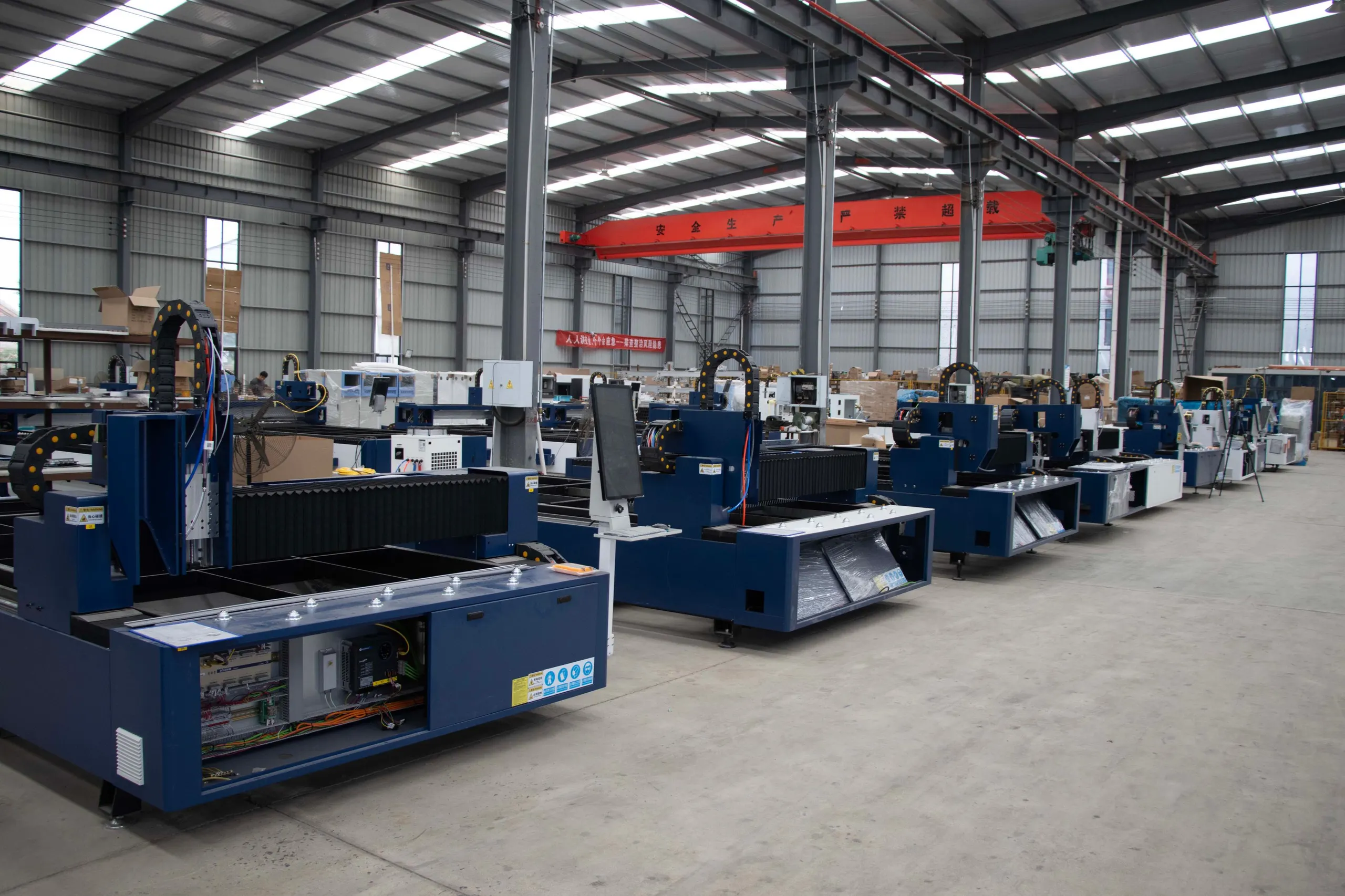
CBAM does not concern most of the goods our clients import. The European Union's Carbon Border Adjustment Mechanism covers six families of materials: cement, iron and steel, aluminium, fertilisers, hydrogen and electricity. If you import furniture, textiles or finished electronics, you are not directly in scope. If you import raw or semi-finished steel or aluminium, profiles, sheets, tubes, certain metal parts, then yes: since 1 January 2026, the definitive regime applies.
What changed on 1 January 2026 is the nature of the obligation. From October 2023 to December 2025, CBAM was only a report: the importer declared the emissions embedded in its goods, and paid nothing. That transitional phase is over. From 2026, the definitive regime attaches a financial charge to the emissions embedded in covered goods. The point of the mechanism is to align the carbon cost of imported steel with that of steel produced inside the Union, so emissions do not simply move offshore.
A simplification adopted in autumn 2025, the Omnibus package, in force since 20 October 2025, nonetheless took the great majority of small importers out of scope. A single mass-based threshold now exempts anyone importing 50 net tonnes or less of CBAM goods per year, cumulative over the year. The European Commission estimates that this threshold exempts roughly 90% of importers while still covering close to 99% of the emissions concerned, since most of the tonnage sits with a few large players. Hydrogen and electricity stay outside this exemption.
Above 50 tonnes a year, the importer, or its indirect customs representative, must apply for the status of authorised CBAM declarant. This is an administrative step to take in advance, with the competent national authority, not a last-minute formality: without the status, you can no longer clear covered goods through customs. The declarant then reports the embedded emissions each year and surrenders the matching certificates.
The payment timetable, for its part, has been pushed back. The sale of CBAM certificates, first set for January 2026, only begins on 1 February 2027. The first annual declaration is due by 30 September 2027, for 2026 imports: 2026 is indeed the year the emissions count, but the bill is settled in 2027. The price of certificates for 2026 reflects the quarterly average of allowance auctions on the EU Emissions Trading System (EU ETS), expressed in euros per tonne of CO2.
The real trap is not the threshold, it is the customs classification. It is your product’s HS code that decides whether it falls under CBAM: a semi-finished aluminium part may be in scope, the finished product that contains it may not. Pick the wrong code and you declare wrongly, or you miss a genuine obligation. This is exactly the ground where a tariff-line error gets expensive, as with duties and import VAT: the right code is settled before the order, not when the container lands.
Our job is to flag it early. From the sourcing stage, we spot whether a product falls into the six covered families, we help estimate the annual tonnage against the 50-tonne threshold, and we coordinate with your freight forwarder and customs declarant. Let us be honest about our limits: we are not a carbon-accounting firm, and emissions data comes from the producer and is validated with the authorised declarant. But knowing, at the moment you choose a supplier, that a part will trigger a CBAM obligation changes a landed-cost calculation, and that is precisely what we look at on your behalf.
CBAM targets metal, not your sofa. Below 50 tonnes of covered goods a year, you are most likely exempt; above it, you become an authorised declarant. Either way, the right customs code comes first.
Let's talk about your project
Reply within 2 hours, during business hours