
How long, really, from sample to container
"When will I get my goods?" The honest answer is three blocks you add up, not one magic number.
'When do I get my goods?' The honest answer is not a magic number but the sum of three blocks: the upstream (sourcing and samples), production, and transport. Conflating them, or keeping only one, builds a schedule that will not hold. Better to add up frankly than to promise short.
First the upstream: sourcing, putting suppliers in competition, approved samples. Allow a few weeks, sometimes more for a technical or heavily customised product. It is the time you do not see, the back-and-forth of samples and the sign-off of the sealed sample, and it is precisely the time that prevents nasty surprises later. Compress it and you only push the risk downstream.
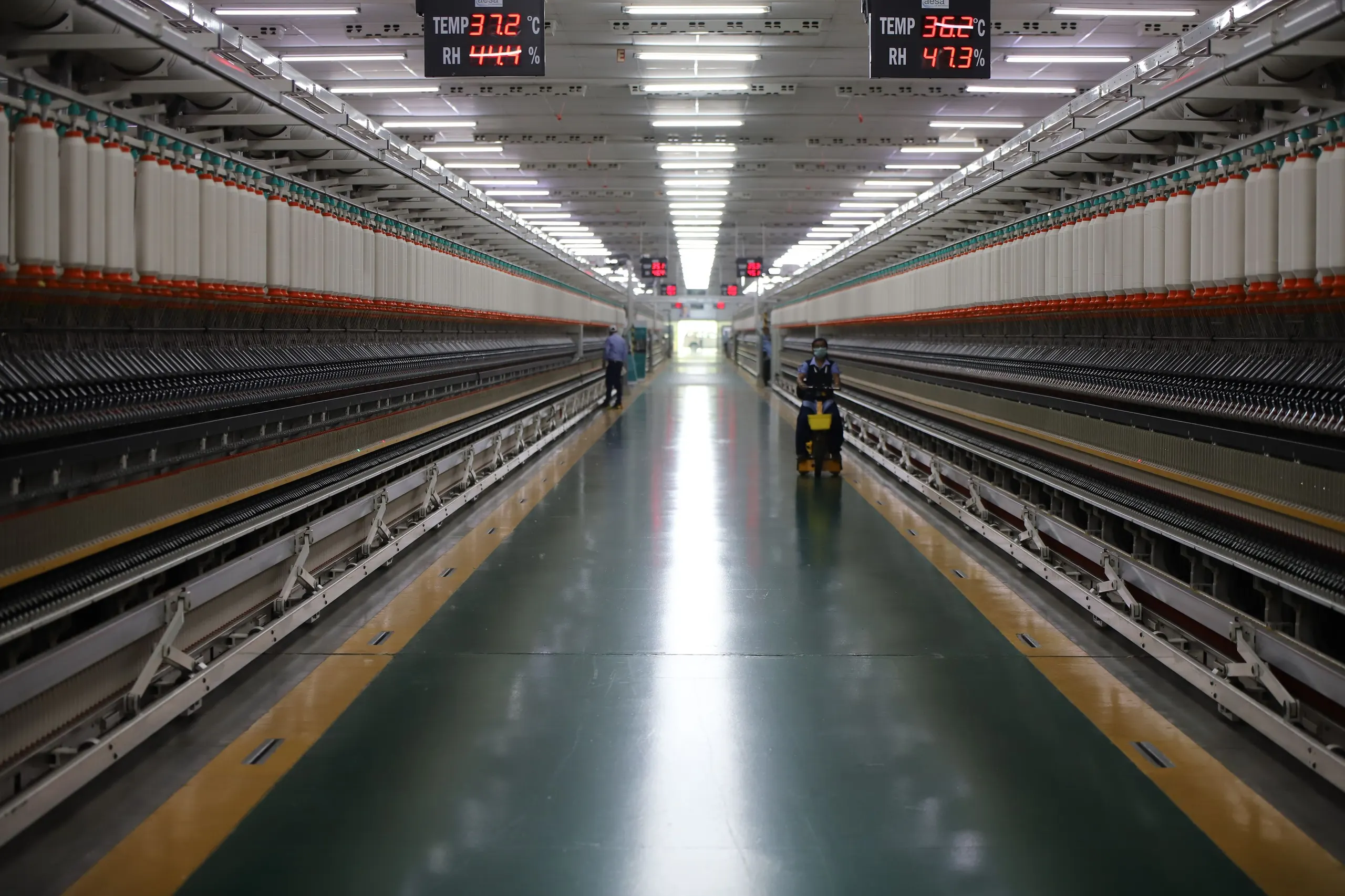
Then production. It depends on the product, the quantity and the factory's workload when you order: often thirty to sixty days, but an order placed in high season stretches out, for lack of available capacity. A lead time quoted seriously, even if longer, beats a flattering one never met, which throws the whole downstream chain into disorder.
One factor weighs on the entire Chinese calendar: Chinese New Year. Factories close for one to two weeks in late January or February, and the restart is gradual, while the workforce returns and quality re-stabilises. A production run straddling that period must be launched well ahead; otherwise three to four weeks of slippage invite themselves into the schedule. October's Golden Week has a shorter but real effect.
Finally transport. To Europe, allow three to five weeks at sea for a container, from a southern Chinese port to a major European one, plus the haulage to the dock, the ship's actual departure (not the day the goods reach the port) and, on arrival, customs clearance and final delivery. Air freight compresses it all to a few days, at a cost rarely justified outside urgency or a launch.
On top of these three blocks come the safety margins experience demands: a remade sample, a check that calls for a touch-up, a full vessel that pushes the booking back, a customs hiccup. A serious schedule builds them in rather than discovering them. It is the difference between an 'if all goes well' date and a date you can actually commit to a final customer or a selling season.
In practice, we hand over a projected schedule at the start, block by block, with the milestones (sample approval, production start, inspection, vessel departure, estimated arrival) and the points where a decision on your side governs what follows. A schedule is only worth anything if it is held and kept up to date: piloting it, not just announcing it, is our job.
We hand you a projected schedule at kickoff, then a delivery window confirmed in writing once the factory order is placed. A realistic timeline beats one that merely sounds good.