
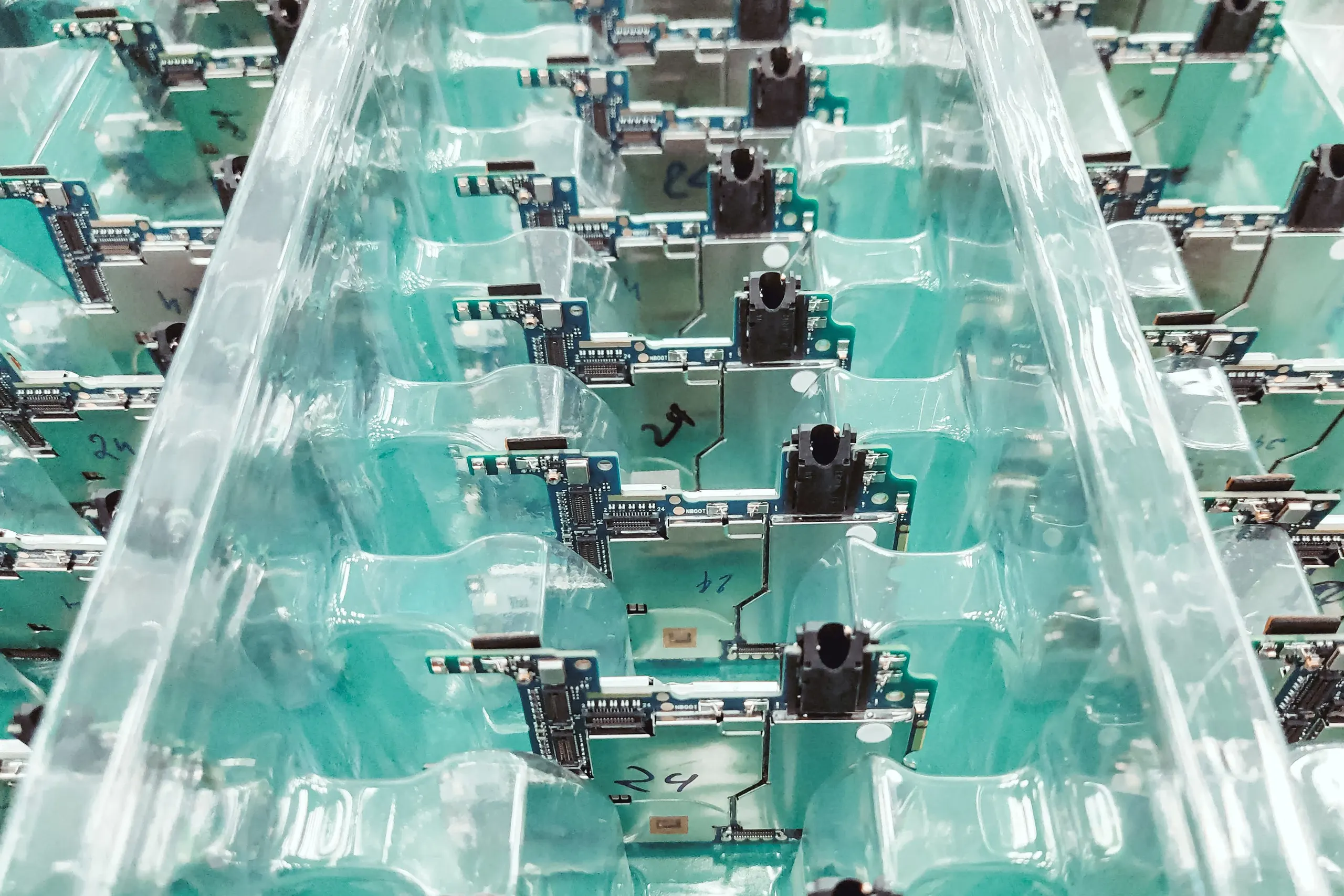
Electronics sourcing in China
Compliance, reliability, components: three words you verify on site.
Consumer electronics and connected accessories are sourced in the Pearl River Delta, around Shenzhen.
The industrial density is unmatched; the rigour on compliance, less so.
CE marking, safety, compatibility: we pin down the requirements upfront and offer a check before loading, by a third party where the stakes justify it. Better a test at the factory than a recall in Europe.
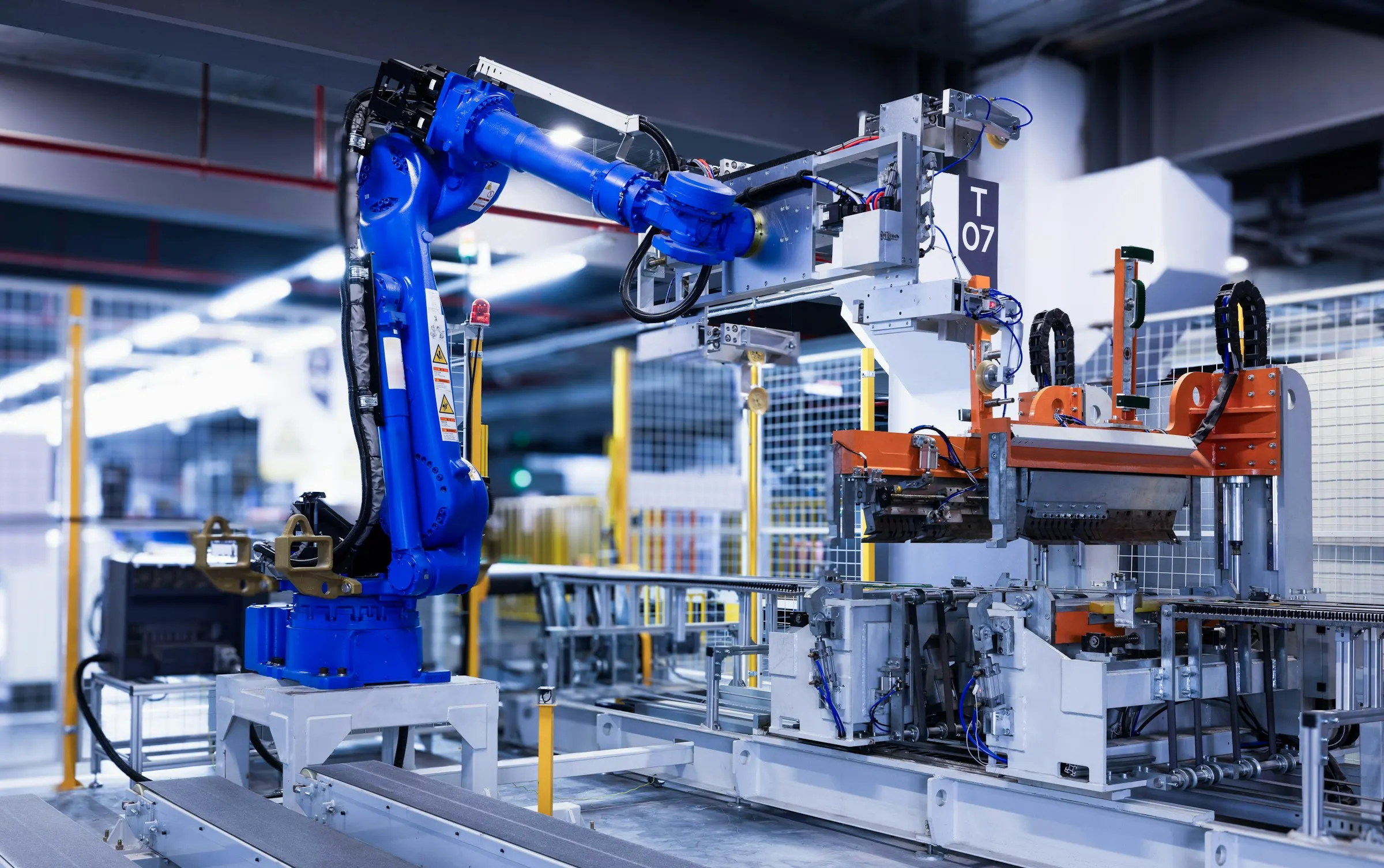
Shenzhen and its ecosystem (Dongguan, Huizhou) concentrate components, PCBA, tooling and assembly at unmatched speed: a product can go from schematic to prototype in days. That speed has a flip side: how easy it is to re-grade components, to subcontract silently, or to apply a CE mark that was never tested.
In electronics, compliance is not declared, it is proven. We pin down the applicable directives upfront, require the lab test reports, and have production checked before loading, by a third party when needed. A factory test costs a fraction of a recall or a hold at European customs.
- Connected accessories
- Small appliances
- Components & cabling
- Audio & mobility
- White label
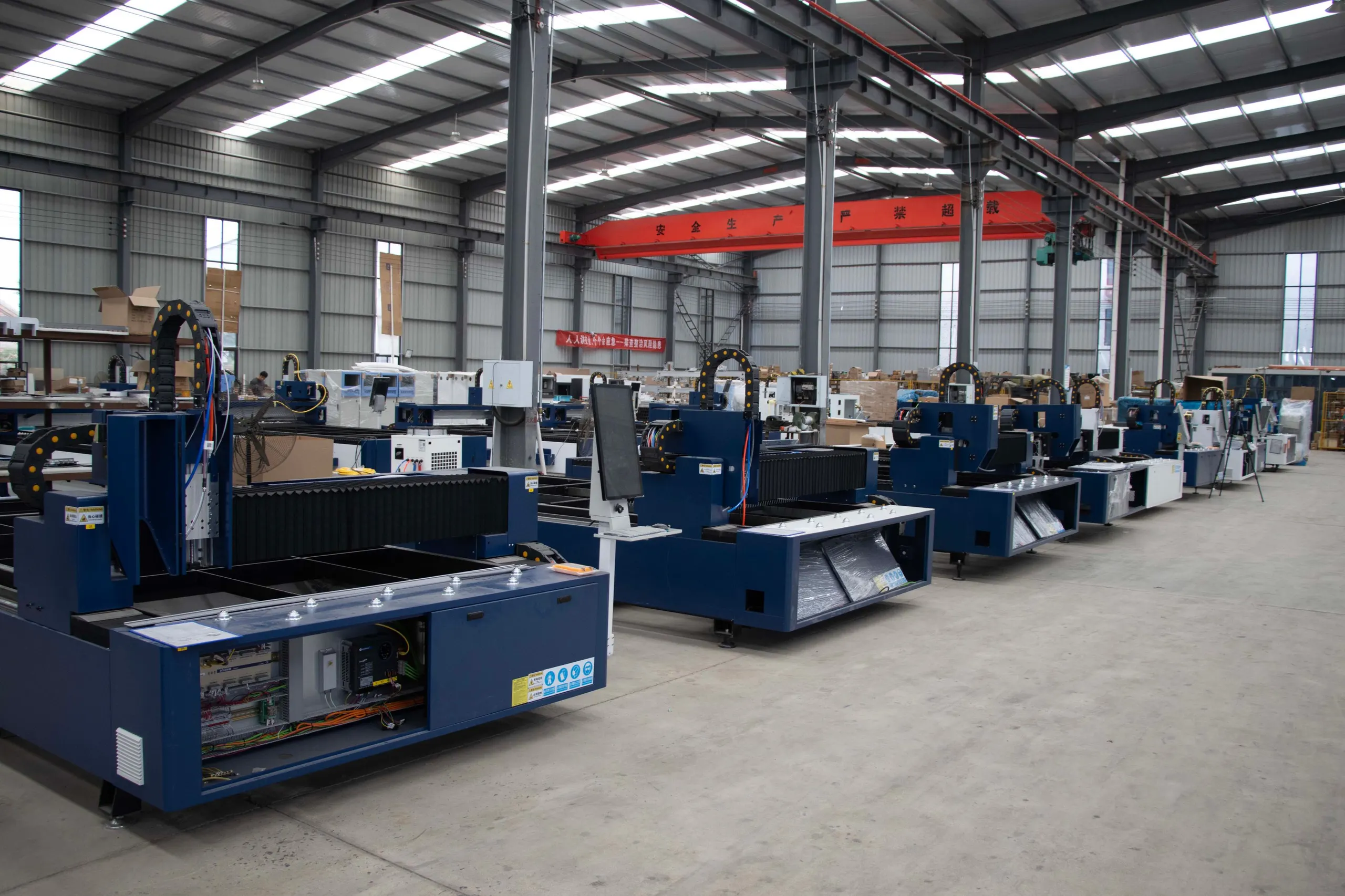
500 to 2,000 units depending on the product and level of customisation (casing, firmware, packaging).
Sample and tuning 4 to 8 weeks, production 30 to 45 days, then transport.
Re-graded or second-hand components, self-declared CE without testing, non-compliant firmware and neglected battery/charger safety. We require test reports and check before loading.
- CE marking
Mandatory for the EU market: depending on the product it covers low voltage (LVD), electromagnetic compatibility (EMC) and, for wireless, the RED directive.
- RoHS
Restricts hazardous substances (lead, cadmium…) in electrical and electronic equipment.
- WEEE
Collection and recycling obligations for equipment; to anticipate on the importer side (compliance scheme, declarations).
- Batteries (UN 38.3)
Any lithium-battery product needs a UN 38.3 transport report, required for both air and sea freight.
- Technical file
Schematics, bill of materials (BOM), test reports: a serious white-label supplier provides a technical file, not just a promise.
Services for an electronics project
In electronics, the file is decided by markings and certificates long before it is decided by unit price.
 Within 10 working days
Regulatory compliance study
Standards in the destination country, mandatory markings, certificates the factory has to produce, customs classification and duty rate, all set out in writing before the first order.
Within 72 hIn-depth supplier check
A manufacturer is checked beyond its licence: litigation, penalties, tax standing, intellectual property, real export capacity.
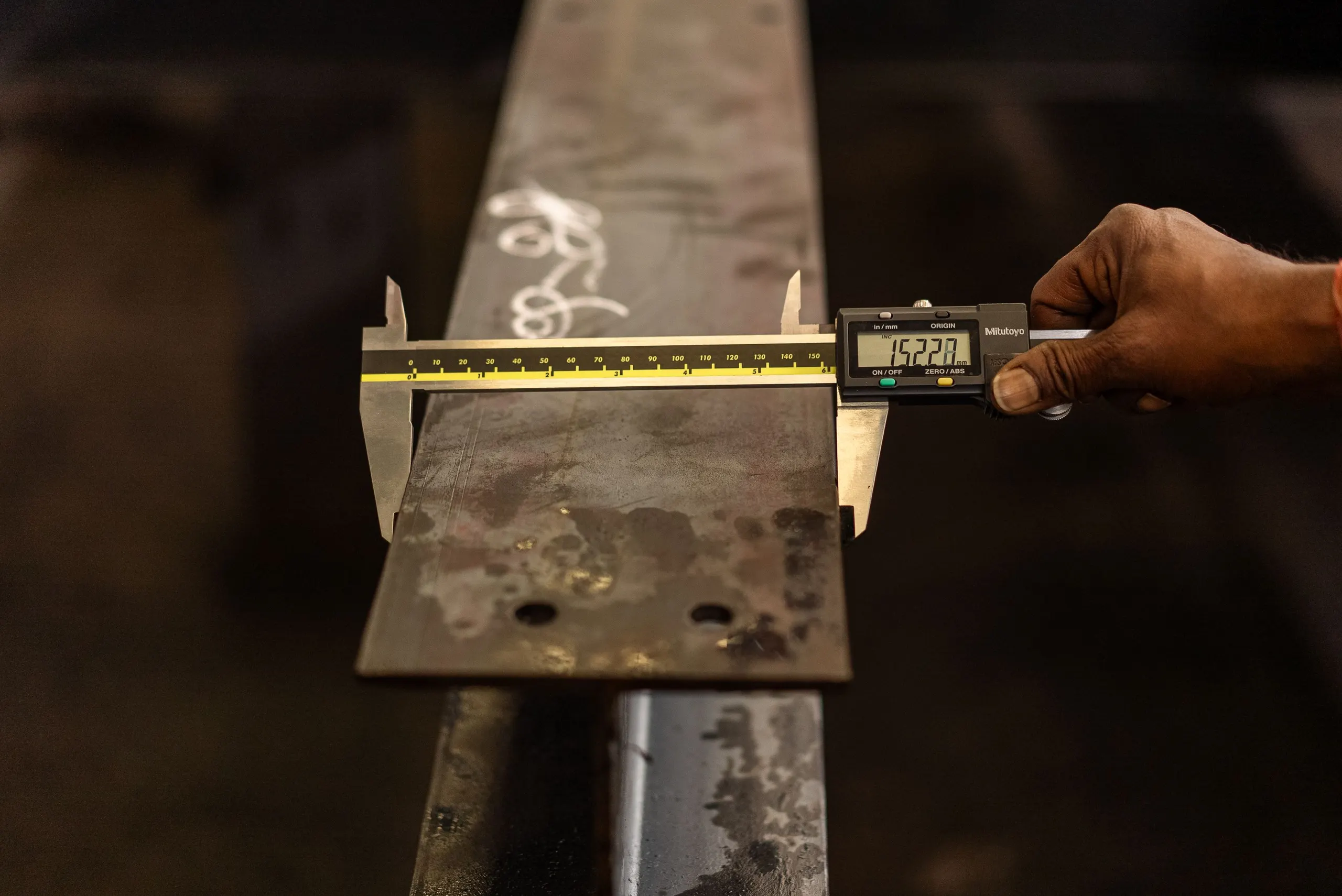 On loading day
Pre-shipment inspection
Quantities, packing, carton markings, condition of the container: the inspection happens while the goods are still with the manufacturer.
 Within 20 working days
Product technical file
Specifications, bill of materials, test schedule, multilingual labelling and a declaration of conformity for the manufacturer to sign.
Excluding tax · Launch pricing until 31 December 2026
01Is the factory's CE marking enough?
No. CE is the importer's self-declaration, backed by real testing. We request the matching lab reports and, when in doubt, have the product (re)tested.
02How do you avoid re-graded components?
With a frozen bill of materials (BOM), named component suppliers, and in-production control. Re-grading is caught on the ground, not on a product sheet.
03Can I air-freight a battery product?
Yes, with a compliant UN 38.3 report and approved packaging. Without that file, freight, air or sea, can be refused.