
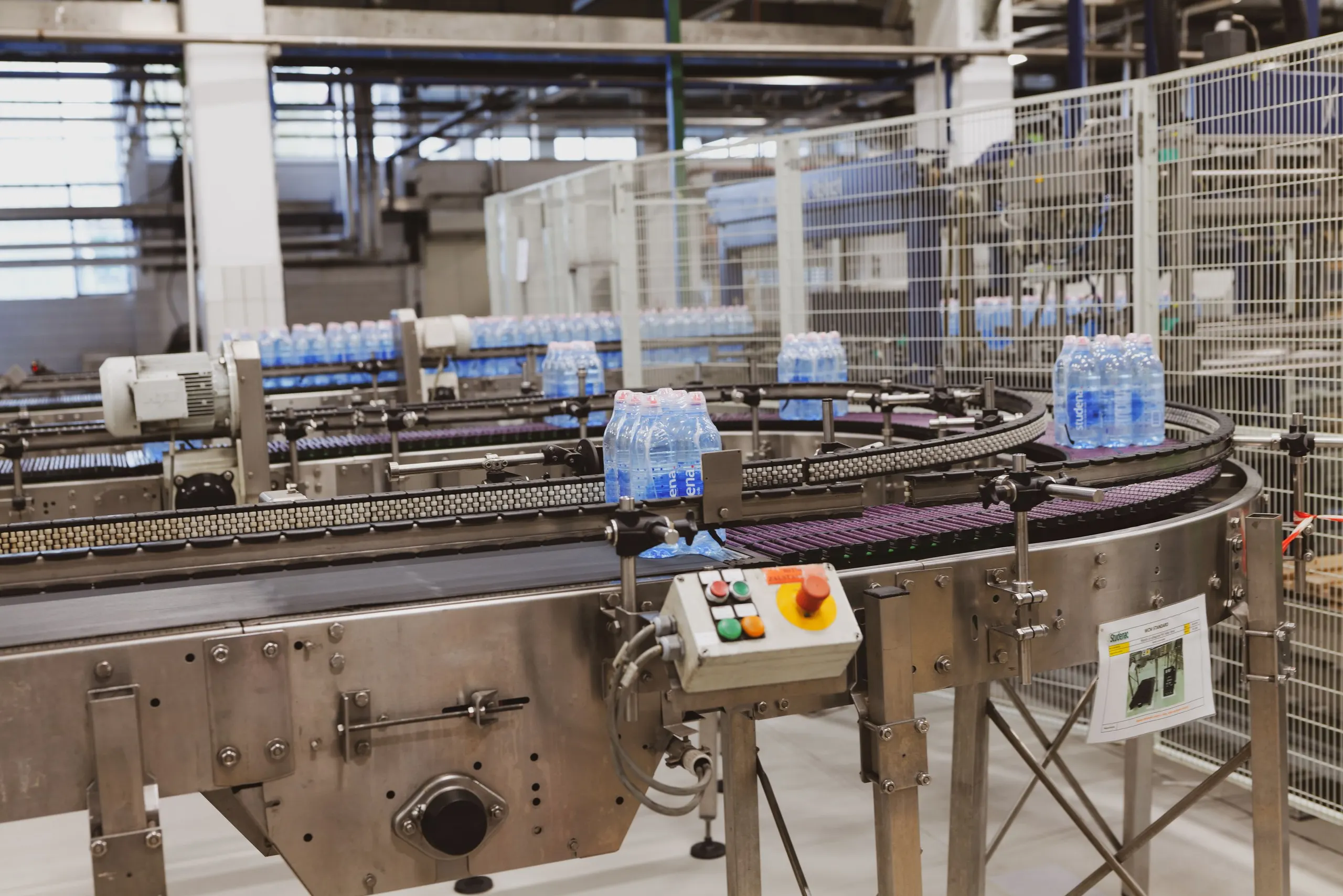
Food & beverage sourcing in China
Traceability, standards, health compliance: no shortcuts.
Imported food and beverage demand a level of rigour of their own: health compliance, labelling, traceability.
The Canton Fair food hall is a good starting point, provided it is framed properly.
We prepare the regulatory files with you and point to the right controls. With food, compliance is non-negotiable, which is exactly where a serious intermediary earns its keep.
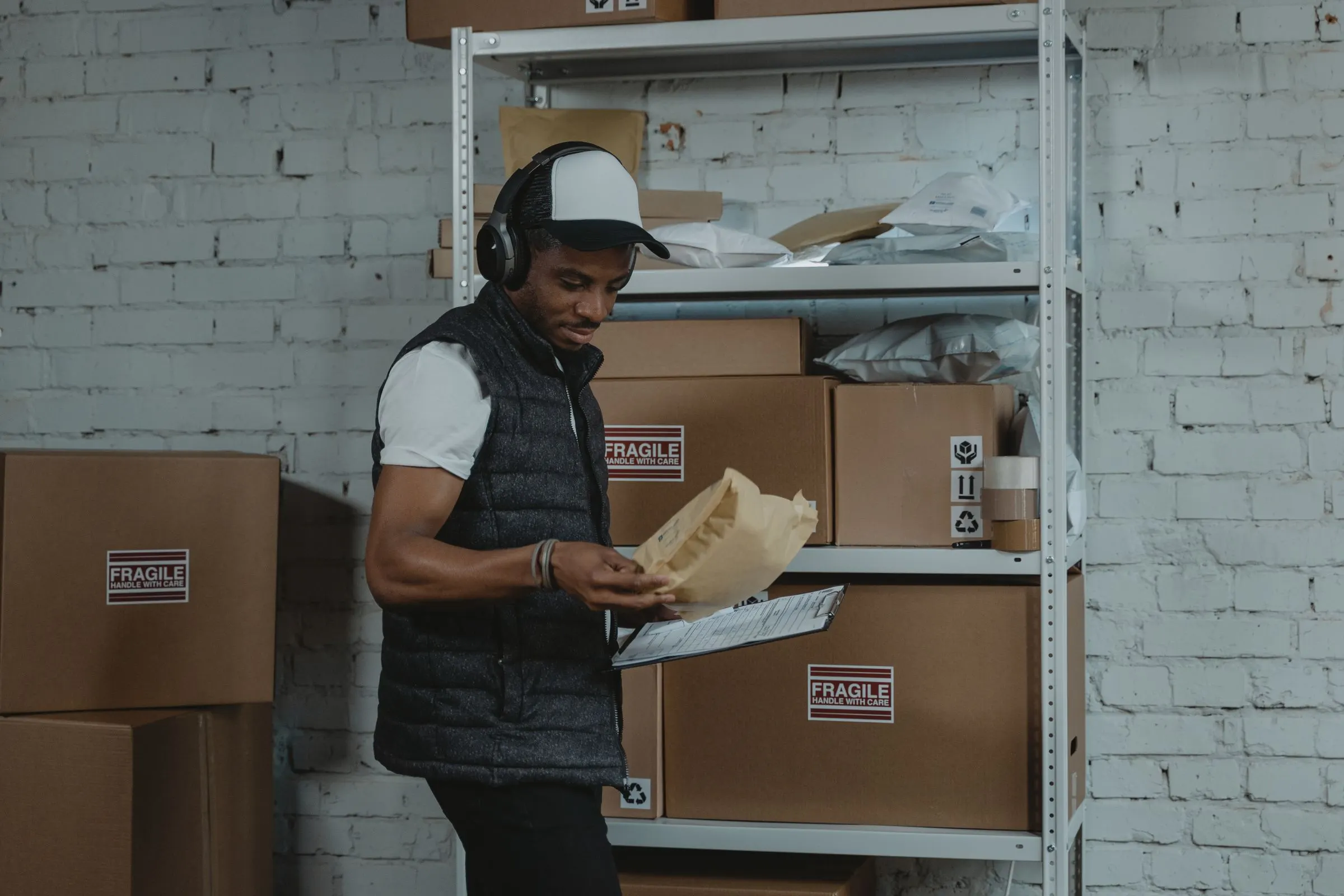
Food and beverage is the sector where regulation outweighs price. Importing from China means a supplier whose establishment is in order, complete files, and labelling compliant with the European Union, three conditions no sample, however good, can replace.
We work upstream: qualifying the factory (quality system, registrations), preparing the files with you, and pointing to the right controls (analyses, health certificate). With food, it is better to rule out an attractive but non-compliant supplier than to have a container held at the border.
- Dry groceries
- Ingredients & additives
- Beverages
- Food packaging
- Processed products
Varies by product: from a test pallet to a full container; regulatory files often weigh more than volume.
The regulatory file (registrations, analyses, labelling) can take several weeks to several months; production follows the product.
Labelling non-compliant with the EU, additives banned in Europe, an incomplete GACC file and broken cold chain. Compliance is prepared before the order, not after.
- GACC registration (Decree 248/249)
Chinese establishments exporting food must be registered with China customs (GACC). An unregistered supplier cannot export sustainably.
- Health certificate
Depending on the category, a health / phytosanitary certificate accompanies the shipment and conditions EU clearance.
- EU labelling (1169/2011)
Mandatory particulars, allergens, nutrition, market language: labelling is designed upstream, not on arrival.
- Additives & contaminants
Several additives allowed in China are restricted or banned in the EU; contaminant limits also differ. To verify by analysis.
- HACCP / BRC / IFS
A recognised quality system on the factory side (HACCP, ideally BRC or IFS) is a marker of seriousness in food.
Services for a food and drink project
In food and drink, the supplier and the scope it is licensed for matter as much as the product itself.
 Within 72 h
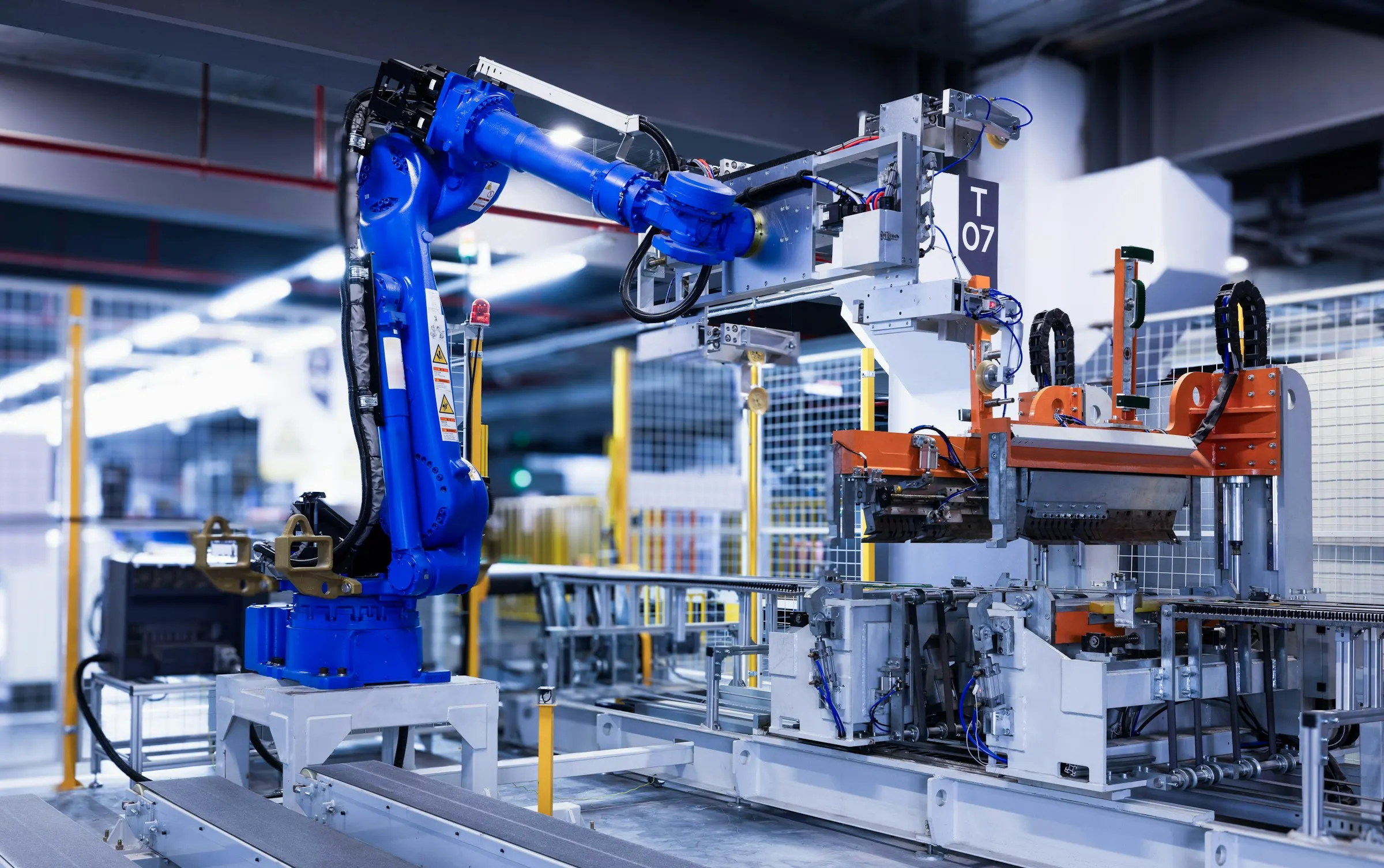
In-depth supplier check
Licensed scope, tax standing and litigation history are read in a supplier’s official documents, never in its product listing.
 Within 10 working days
Regulatory compliance study
Food contact, mandatory label wording, certificates to require and the customs classification of the product, set out for the destination country.
 Within 10 working days
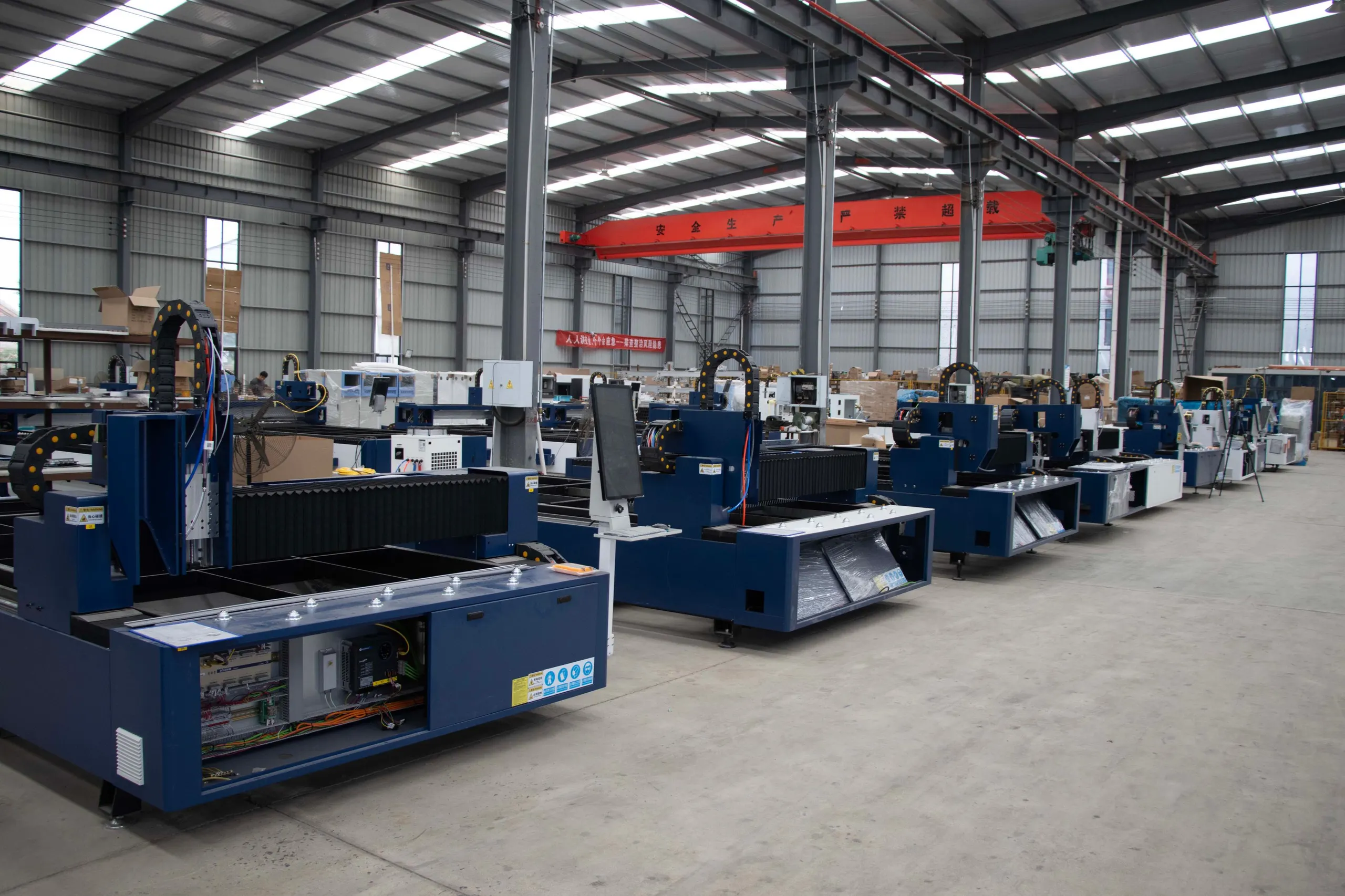
Factory visit · Guangdong
A visit shows the real production and storage conditions. No document gives you that.
 Within 24 h
Factory quotation review
The proforma read line by line within 24 hours: incoterm, MOQ, payment terms, what is missing and what looks wrong.
Excluding tax · Launch pricing until 31 December 2026
01Can my supplier actually export to the EU?
Only if its establishment is registered (GACC, Decree 248/249) and the required certificates follow. We verify that status before committing to anything.
02Who handles compliant labelling?
We define it with you upstream (mandatory particulars, allergens, language) so it is produced correctly at the factory, not redone in a rush on arrival.
03Is an additive allowed in China allowed in Europe?
Not always. Several additives and limits differ between China and the EU. The point is settled by the recipe and, if needed, by lab analysis.