
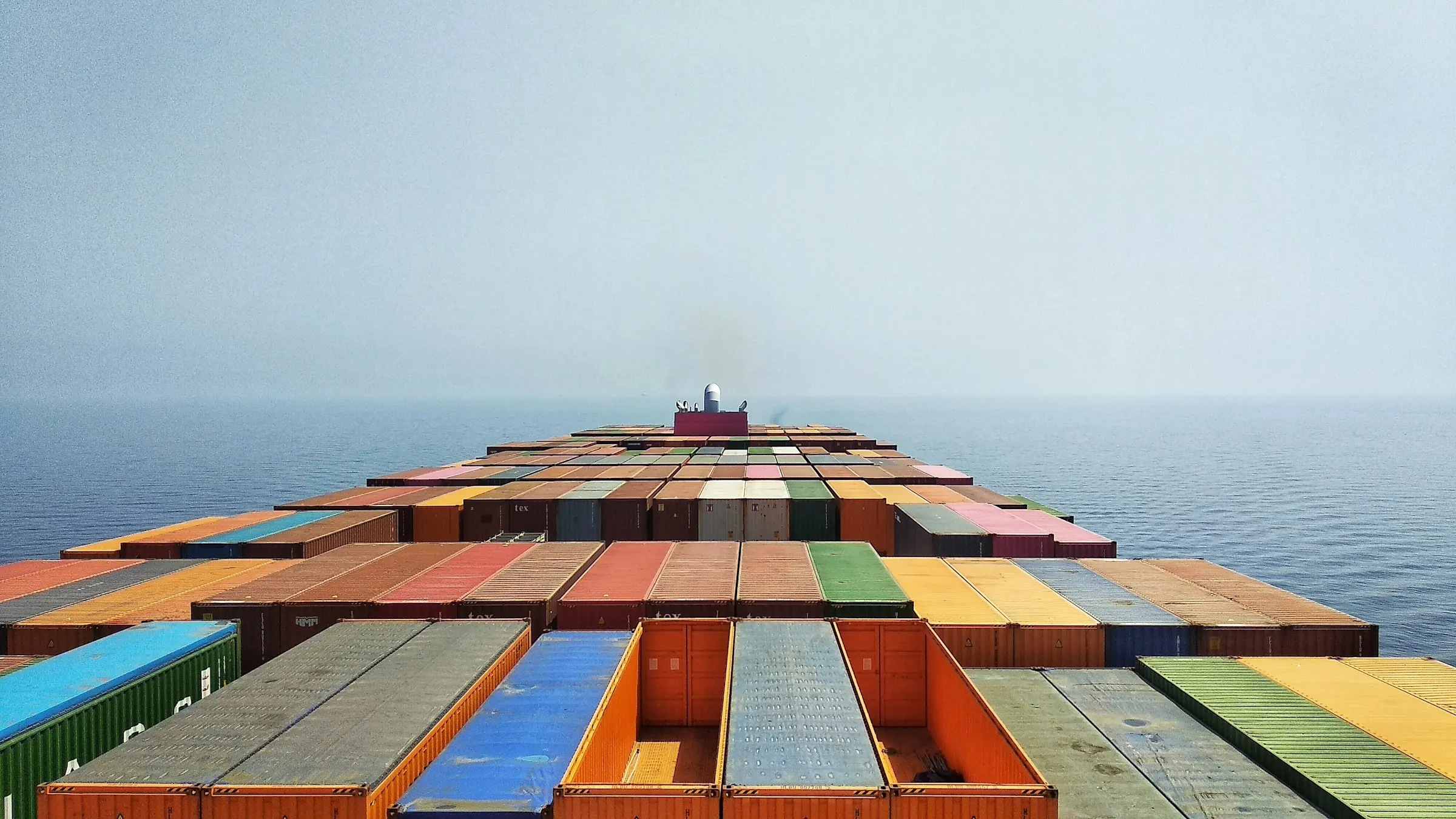
Importing from China to Japan: Customs, RCEP and Consumption Tax 2026
Importing from China to Japan rests on a fact often overlooked: on a large share of manufactured products, the Japanese customs duty is zero or close to zero, and it is the 10% consumption tax that weighs most heavily on the calculation. This article gathers, with their sources, the rates, documents, standards and ports that matter to a Japanese importer, as of September 27, 2026.
What Japan imports from China: niches, standards and ports of entry
Japan is the world's fourth largest economy after the United States, China and Germany, according to the US Department of Commerce's market guide. In 2024, its total imports reached 730.9 billion dollars, including 668.0 billion for non-agricultural products, according to the WTO's World Tariff Profiles 2026.
Japanese standards, known as JIS, cover an extremely wide field according to JISC, the national standards body, ranging from robots to pictograms: almost any category of manufactured product can run into a JIS requirement before reaching a Japanese shelf. The country's main logistics hubs are the major ports of Tokyo, Yokohama, Kobe, Osaka and Fukuoka, according to the US Department of Commerce's distribution channels guide. For a buyer selling under their own brand, Japan's appeal lies in the rigor expected on labeling, metric units and product traceability.
اقرأ أيضًا العلامة البيضاء والعلامة الخاصة في الصين: الخطوات والعقود
Japan and China: a trade framework built on RCEP
Japan has signed 16 bilateral economic partnership agreements, with countries such as Australia, Peru, Chile, Singapore, India, Thailand and the United Kingdom, according to the US Department of Commerce's trade agreements guide. China is not on that list: the framework linking the two countries is a regional one, RCEP, signed on November 15, 2020 with Australia, New Zealand, South Korea and the ten ASEAN countries, and in force for Japan since January 1, 2022. Japan is also a member of the CPTPP, which does not include China.
An RCEP preference does not apply automatically: it requires proof of origin that meets the agreement's rules, to be produced at customs clearance. Outside the lines it covers, imports from China follow the general customs tariff regime, described below.
Customs duty and consumption tax: the full calculation
According to the WTO's World Tariff Profiles 2026, Japan applies an average customs duty of 3.7% across all lines in 2025, with 12.1% on agricultural goods and 2.4% on non-agricultural goods; weighted by actual trade flows, the average drops to 2.0%. Japan has bound 99.7% of its tariff lines. Entire categories are close to zero: electrical machinery and consumer electronics average 0.1%, with 98.3% of lines duty free; mechanical and office machinery average 0.0%. The US trade guide confirms this picture (earlier data around 4.3%) and notes that duty is calculated on the CIF value, either ad valorem or at a specific rate.
On top of these duties comes Japan's consumption tax, whose standard rate is 10%, made up of a 7.8% national portion and a 2.2% local portion, according to the National Tax Agency. A reduced rate of 8% applies to food products excluding alcohol and restaurant meals, in effect since October 1, 2019. For a shipment of non-agricultural goods with a customs value of 2,000,000 yen, taxed at the average non-agricultural rate of 2.4%, the duty comes to 48,000 yen; consumption tax is then calculated on the customs value plus the duty, giving a base of 2,048,000 yen and a tax of 204,800 yen, for a total of 252,800 yen, or 12.64% of the customs value. This calculation is illustrative only: the exact rate for a given line should be checked against the tariff schedule published by Japan Customs.
اقرأ أيضًا القيمة الجمركية واحتساب الرسوم: الوعاء والتعديلات والمعدل · ضريبة القيمة المضافة عند الاستيراد والاحتساب الذاتي في فرنسا
Mandatory documents for clearing an import through customs
According to the Japan Customs website, the import procedure starts with filing a declaration with the Director General of Customs and ends with the issuance of a permit, after examination and payment of duties and taxes; over 90% of declarations are filed electronically. The standard file, form C-5020, gathers the commercial invoice, the bill of lading or air waybill, a certificate of origin when a preferential rate applies, the packing list and any licenses required under other regulations, according to the US import requirements guide.
Hazardous materials, animals, plants, perishable goods and high value items may require a Japanese license; an import quota license remains valid for four months from the date of issue, the same guide notes, adding that weights and measures on a packing list must be expressed in metric units.
اقرأ أيضًا الفاتورة التجارية للاستيراد: البيانات الإلزامية للجمارك · قائمة التعبئة (Packing list): التعريف والمحتوى الإلزامي
JIS standards, electrical safety and pre-shipment inspections
The Japanese Industrial Standards Committee, JISC, is the national standards body: it develops JIS standards and represents Japan at the International Organization for Standardization and the International Electrotechnical Commission. A conformity assessment tied to the JIS mark exists for part of the categories covered, though our sources do not allow us to list here which families it is mandatory for, as opposed to voluntary: this point should be checked with JISC or the relevant ministry before placing an order.
Some products, electrical appliances in particular, may also fall under a safety certification separate from the JIS mark, whose exact scope our sources do not allow us to confirm here: this point should be checked directly with the relevant Japanese ministry before placing any order. A pre-shipment inspection carried out in China remains the best safeguard against a non-compliant batch discovered on arrival.
Prohibited or license controlled products
The US Department of Commerce's import requirements guide lists narcotics, firearms, explosives, counterfeit currency, pornographic material and products that infringe intellectual property as prohibited in Japan.
- Narcotics, firearms, explosives, counterfeit currency: import prohibited
- Pornographic material and counterfeit products: import prohibited
- Hazardous materials, animals, plants, perishable goods, high value items: a Japanese license may be required; import quota licenses valid for four months
اقرأ أيضًا حماية القوالب والتصاميم والعلامة التجارية في الصين
Ports, routes from southern China and recommended Incoterms
These same ports, Tokyo, Yokohama, Kobe, Osaka and Fukuoka, concentrate the links with southern Chinese ports, Guangzhou, Shenzhen and Hong Kong in particular, according to the US Department of Commerce's distribution channels guide, though our sources give no single, verifiable transit time: this should be confirmed with a freight forwarder at the time of booking.
For a first order, FOB from a southern Chinese port works well if the Japanese buyer arranges transport; CIF or CFR suit cases where an intermediary handles it through to the port of arrival. DDP remains inadvisable as long as the Chinese supplier is not itself an accredited customs declarant in Japan.
اقرأ أيضًا إنكوترم FOB: المعنى، الالتزامات والسعر (Incoterms 2020) · الشحن البحري من الصين: FCL أو LCL، التكاليف والمهل وعتبة التحول
Payment, steps for a first order and what Sorva does for you
On payment, common practice remains a deposit at order confirmation followed by a balance before shipment, paid into the Chinese company's business account, never a personal account: a change of bank details received by email should always be verified with a direct phone call, as this type of fraud is common.
A first import into Japan follows a precise sequence: specifications and factory verification, an approved sample, a proforma invoice with the chosen Incoterm, verification of JIS or electrical safety requirements, production monitoring, a pre-shipment inspection, freight to a Japanese port, then customs clearance handled by the Japanese importer or its local freight forwarder, with payment of duty and consumption tax before the permit is issued.
Sorva is a sourcing and trading house based in Guangzhou, in the Tianhe district, backed by a Chinese subsidiary whose corporate purpose covers the purchase, resale and export of goods, and by a parent company in France. Our Chinese-speaking team finds and verifies factories, organizes visits and samples, negotiates prices, has quality checked before loading and arranges freight to a Japanese port. Sorva never acts as the official importer in Japan and does not clear customs locally: that role remains with the Japanese importer or its local freight forwarder. Our base offer is billed in dollars, with options specific to the region available on request.
اقرأ أيضًا الدفع لمورد صيني: التحويل المصرفي، خطاب الاعتماد · أول عملية استيراد: الخطوات العشر والأخطاء المكلفة
The key point in Japan is that the main cost of importing from China comes less from customs duty, often close to zero on manufactured goods, than from the 10% consumption tax and JIS or electrical safety requirements. First step: check whether your product falls under a mandatory JIS mark or electrical certification before confirming the order.
هل تستوردون من الصين؟
أخبرونا بما ترغبون في شرائه. يرد فريقنا عبر WhatsApp، مع المصانع والآجال والوثائق التي يطلبها بلدكم.
الأسئلة الشائعة
01What customs duties apply to imports from China to Japan?
02What is the consumption tax rate on imports into Japan?
03Is there a trade agreement between Japan and China?
04What documents are needed to clear goods from China through Japanese customs?
05What is the JIS mark and is it mandatory?
06Which products are banned from import into Japan?
07Which ports handle freight from southern China to Japan?
08Can Sorva clear my goods through customs on arrival in Japan?
ما يتغيّر في الوقت الراهن
- Chine · Fiscalité export
الصين: استرداد ضريبة القيمة المضافة على التصدير يختفي بالنسبة إلى 271 فئة من المنتجات
منذ 1 أبريل 2026، ألغت الصين استرداد ضريبة القيمة المضافة على التصدير بالنسبة إلى 249 فئة من المنتجات، وخفضت استرداد البطاريات من 9% إلى 6%. ويمس هذا الإجراء بشكل خاص مادة PVC والزجاج والسيراميك والخلايا الكهروضوئية والسجائر الإلكترونية، ويرفع آليًا سعر الخروج من المصنع لأي مشترٍ، في آسيا والمحيط الهادئ كما في أماكن أخرى.
قراءة المقال - Australie · Biosécurité
أستراليا: ارتفاع رسوم السلامة الأحيائية على الاستيراد اعتبارًا من 1 يوليو 2026
اعتبارًا من 1 يوليو 2026، رفعت الوزارة الأسترالية للزراعة والصيد والغابات (DAFF) رسوم استرداد تكاليف السلامة الأحيائية المطبقة على كل تصريح استيراد كامل، لتصل إلى 48 دولارًا أستراليًا بالنسبة إلى الشحن الجوي و71 دولارًا بالنسبة إلى الشحن البحري. كما ترتفع أيضًا رسوم معالجة التصريح نفسه.
قراءة المقال - Kazakhstan · Douane en ligne
الاتحاد الأوراسي: نظام جمركي خاص بالتجارة الإلكترونية ابتداء من يوليو 2026
وافق مجلس اللجنة الاقتصادية الأوراسية على فصل جديد من قانون الجمارك للاتحاد الاقتصادي الأوراسي (UEEA) يُنشئ نظاما خاصا بالتجارة الإلكترونية العابرة للحدود، على أن يدخل حيز التنفيذ في 1 يوليو 2026. وكانت كازاخستان، آخر الدول الأعضاء الخمس التي صادقت على هذا النص، قد فعلت ذلك في ديسمبر 2025، في حين ستخضع أرمينيا، العضو أيضا في الاتحاد، لنفس الشروط.
قراءة المقال
الخدمة المناسبة
- العمولةعمولة على الحجمتفتحون ملفا، ونحن نجد المصنع ونتفاوض معه. لا نتقاضى أجرا إلا على البضاعة التي تطلبونها.150 €رسوم فتح الملفعرض الخدمة
- مكتب دراساتدراسة المطابقة التنظيميةما يجب أن يستوفيه منتجكم في بلد الوجهة، مكتوب وموثق المصادر، قبل أول طلبية.390 €لكل منتج ولكل بلد وجهةعرض الخدمة
- بالوحدةالمراقبة قبل التحميلالكميات، التغليف، الوسم، حالة الحاوية، وتقرير بالصور، قبل مغادرة البضاعة.229 €لكل عملية تحميلعرض الخدمة