
Importing from China to Qatar: Customs, Licence and Costs in 2026
Importing from China to Qatar means dealing with three realities: an import licence restricted to Qatari nationals or their partner, a common Gulf customs tariff set at 5% of the CIF value, and, as of 27 September 2026, no import VAT. This article gathers, with their sources, the rates, documents and steps that matter to an importer based in Qatar.
What Qatar imports from China and the promising niches
Qatar is diversifying its economy beyond natural gas: the third national development strategy, launched on 10 January 2024, targets average annual growth of 4% through 2030, driven by diversified industrial, logistics and tourism sectors. This diversification is fuelling demand for equipment, construction materials and consumer goods, most of them imported.
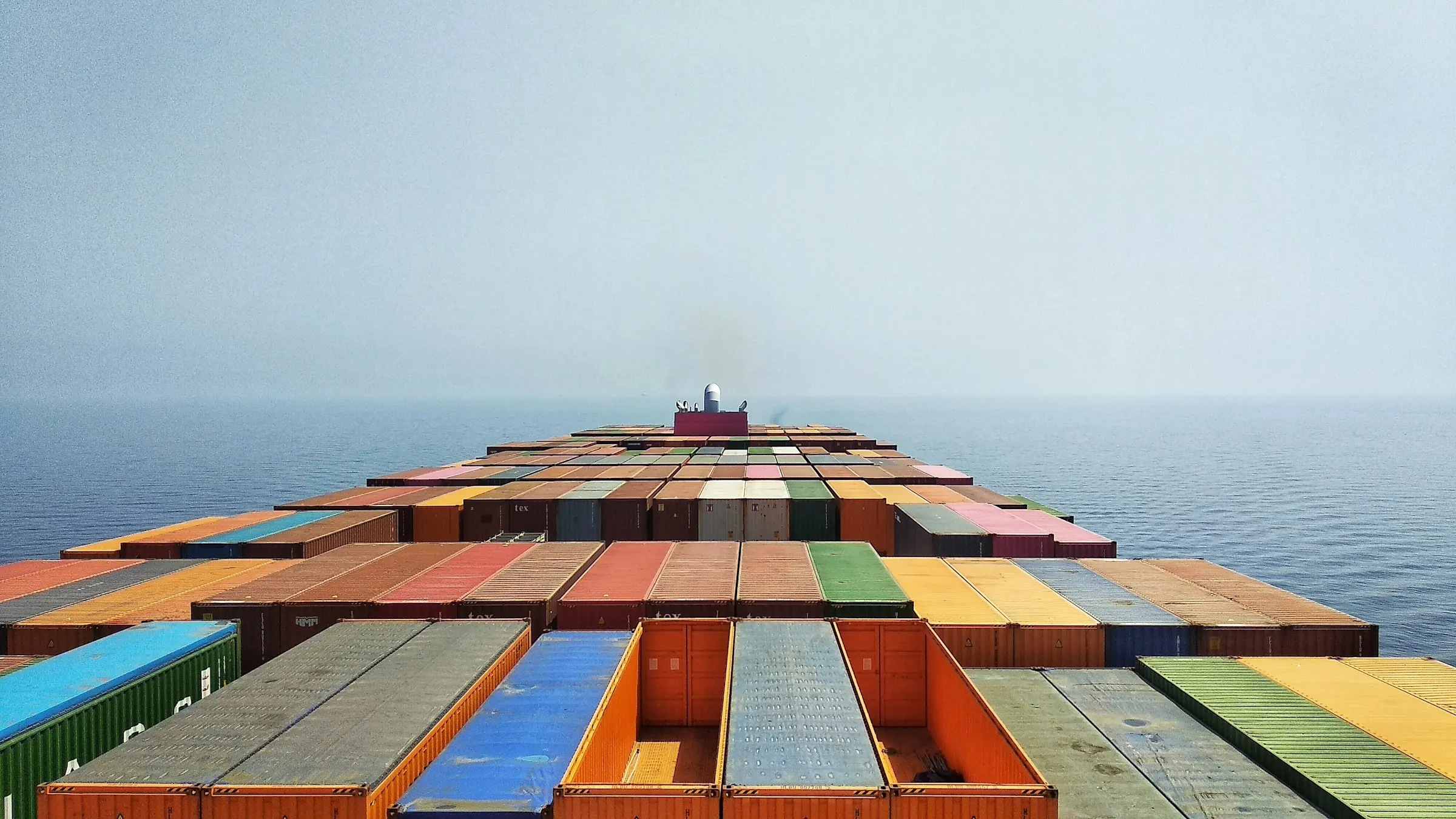
Hamad Port, the country's main maritime gateway, has dedicated terminals for general cargo, grain, vehicles, livestock and three container terminals. Any goods intended for resale must pass through a licensed importer, a rule that shapes the entire process covered in this article.
- General cargo, grain, vehicles and containers: the main traffic categories at Hamad Port
- Capital and consumer goods driven by diversification beyond hydrocarbons
- Import licence required, restricted to Qatari nationals or their partner in the company
Trade relations and customs framework with China
Qatar is a member of the World Trade Organization and applies WTO agreements on customs valuation and trade facilitation. Our sources show no bilateral free trade agreement between Qatar and China.
Qatar belongs to the Gulf Cooperation Council customs union, alongside Saudi Arabia, the United Arab Emirates, Kuwait, Bahrain and Oman. For technical standards, the Gulf standardisation body, founded in 2001 and operational since May 2004, brings together seven member states including Qatar.
Olvassa el még HS, KN, TARIC vámkódok: hogyan találja meg a megfelelőt, és miért számít
Customs duties and import taxes: how they are calculated
The Gulf common external tariff sets a customs duty of 5% ad valorem on the CIF value (cost, insurance, freight) for most products. About six hundred products are exempt, mainly basic foodstuffs: fresh produce, fish and seafood, cereals, powdered milk, as well as diplomatic and military equipment.
Higher-duty categories: 20% on iron bars, unalloyed steel and cement, 30% on urea, 15% on discs and musical instruments, 100% on pork, tobacco and alcohol. Qatar applies no VAT as of 27 September 2026: a common Gulf framework at 5% remains planned but not implemented. A separate excise tax, in force since 1 January 2019, does apply: 100% on tobacco and energy drinks, 50% on carbonated drinks.
Example: for a standard good, excluding exemptions and excise, with a CIF value of 10,000 dollars, the 5% duty amounts to 500 dollars, bringing the cleared cost to 10,500 dollars before local fees, with no VAT to add. Have the exact tariff classification of the product reconfirmed before building your landed cost.
- Standard rate: 5% of CIF value
- About 600 basic food products exempt
- Higher rates: 20% (steel, cement), 30% (urea), 15% (discs, instruments), 100% (pork, tobacco, alcohol)
- Import VAT: none as of 27 September 2026
- Separate excise tax: 100% tobacco and energy drinks, 50% carbonated drinks
Olvassa el még Vámérték és a vámok kiszámítása: alap, kiigazítások, tétel · Import áfa és önbevallás: hogyan működik Franciaországban
Mandatory documents for customs clearance
Qatar's customs regulation, in force in its documentary form since 1 April 2011, requires a detailed customs declaration accompanied by several supporting documents before goods are released. The Harmonised System code must appear identically on the invoice and the certificate of origin: any discrepancy exposes the goods to being held on arrival.
- Import licence, held by the Qatari importer or their partner
- Pro forma invoice and official commercial invoice
- Packing list and bill of lading, or air waybill
- Certificate of origin, with the Harmonised System code shown on both the invoice and the certificate
- "Country of Origin" or "Made in" marking on every item and every carton
- Animal products: health certificate and approved halal slaughter certificate
Olvassa el még Import kereskedelmi számla: kötelező adattartalom a vámhoz · Packing list (csomagolási jegyzék): meghatározás, kötelező tartalom
Standards, certifications and pre-shipment checks
Like the other six member states, Qatar applies the technical regulations of the Gulf standardisation body, which issues the Gulf conformity mark (G-Mark) for the categories it covers.
This mark covers in particular motor vehicles, motorcycles and tyres, as well as the energy-efficiency label for air conditioners, highlighted by the body for Bahrain and Oman. The full list for Qatar still needs to be checked with the Ministry of Commerce and Industry before any production run.
- G-Mark: vehicles, motorcycles, tyres and air conditioners identified in our sources
- Exact scope for Qatar: not confirmed, to be checked before ordering
- Animal products: health and halal certificates required
Olvassa el még Termék műszaki dokumentációja: amit az importőrnek birtokolnia kell
Prohibited or licensed products, origin marking
Our sources do not provide a complete official list of goods banned or requiring a licence in Qatar. Pork and alcoholic beverages, taxed at 100%, remain categories with very restricted distribution, reserved for authorised establishments. Before ordering a sensitive product, weapons, telecommunications, religious items or medicines, checking with the Qatar General Authority of Customs remains essential.
Origin marking is precisely documented: every item and every carton must show "Made in" or the country of origin, matching the invoice and the certificate of origin. Goods manufactured in several countries must show each of them.
Olvassa el még Az áru származása és a Made in jelölés: szabályok és csapdák
Ports, routes from southern China and recommended incoterms
Hamad Port, south of Doha in the Umm Al Houl area, became operational in December 2016 and was officially inaugurated on 5 September 2017. It covers 29 square kilometres: three container terminals (5 million TEU, being expanded to 7.5 million), a general cargo terminal (7 million tonnes a year), a grain terminal (1 million tonnes) and a vehicle terminal (500,000 units a year).
Our official sources confirm regular services from Hamad to the Gulf and South Asia from 2017, without naming a direct line to southern China: port of departure, transhipment stops and transit time depend on the line booked by the freight forwarder, to be confirmed before loading. Air freight, reserved for urgent or light shipments, goes through Hamad International Airport in Doha.
FOB from southern China suits an importer who organises transport themselves, through their Qatari partner holding the licence. CIF or CFR suit cases where an intermediary handles transport to Hamad. DDP is not recommended: a Chinese seller cannot stand in for the local importer to clear goods on site.
Olvassa el még FOB Incoterm: jelentése, kötelezettségek és ár (Incoterms 2020) · Tengeri szállítás Kínából: FCL vagy LCL, költségek, határidők és váltási küszöb
Payment, order steps and what Sorva does for you
The Qatari riyal has been pegged to the dollar at 3.64 riyals per dollar since 9 July 2001, fixed by royal decree. On the supplier payment side, the usual practice is a deposit followed by a balance before shipment, paid exclusively into the Chinese company's business account, never a personal account; any change of bank details received by email should be verified with a direct phone call.
A first order follows a precise sequence: specifications, factory verification, approved sample, proforma invoice with incoterm, confirmation from the Qatari partner that the licence covers the product category, production follow-up, pre-shipment inspection, transport to Hamad, then customs clearance by the Qatari importer or their freight forwarder.
Sorva is a sourcing and trading house based in Guangzhou, in the Tianhe district, backed by a Chinese subsidiary whose corporate purpose covers the purchase, resale and export of goods, and by a parent company in France. Our Chinese-speaking team finds and verifies factories, arranges visits and samples, negotiates, has quality checked before loading and arranges freight to Qatar. We never act as the official importer in Qatar, do not clear goods locally, and do not export vehicles without a licensed Chinese exporter: that role belongs to the client's Qatari entity or their partner. Our base offer is invoiced in dollars, with a G-Mark check quoted on request.
Olvassa el még Kínai beszállító kifizetése: átutalás, akkreditív · Első import: a tíz lépés és a drágán megfizetett hibák
Remember that in Qatar, the import licence held by a Qatari national or their partner in the company comes before everything else, even before calculating the 5% customs duty. First step: confirm with the Qatari partner that the licence covers the product category in question, before starting production in China.
Kínából importál?
Mondja el, mit szeretne vásárolni. Csapatunk WhatsAppon válaszol, a gyárakkal, határidőkkel és az Ön országa által megkövetelt dokumentumokkal kapcsolatban.
Gyakori kérdések
01What customs duties apply when importing from China to Qatar?
02Does Qatar apply VAT on imports?
03Who can hold an import licence in Qatar?
04What documents are needed to clear goods from China through customs?
05What is the Gulf conformity mark and does it apply to my product?
06Which port should I choose for an import from southern China?
07Does Qatar ban certain products from import?
08Can Sorva import and clear goods on my behalf in Qatar?
Ami most éppen változik
A megfelelő szolgáltatás
- JutalékMennyiségi jutalékÖn megnyit egy dossziét, mi megtaláljuk és tárgyaljuk a gyárat. Csak az Ön által megrendelt áru után kapunk fizetést.150 €dosszié megnyitásának költségeSzolgáltatás megtekintése
- Szakértői irodaSzabályozási megfelelőségi tanulmányAmit a termékének a célországban be kell tartania, írásban és forrásokkal, az első rendelés előtt.390 €termékenként és célországonkéntSzolgáltatás megtekintése
- EgységenkéntEllenőrzés berakodás előttMennyiségek, csomagolás, jelölés, konténer állapota, fényképdokumentáció, mielőtt az áru elindul.229 €rakományonkéntSzolgáltatás megtekintése