
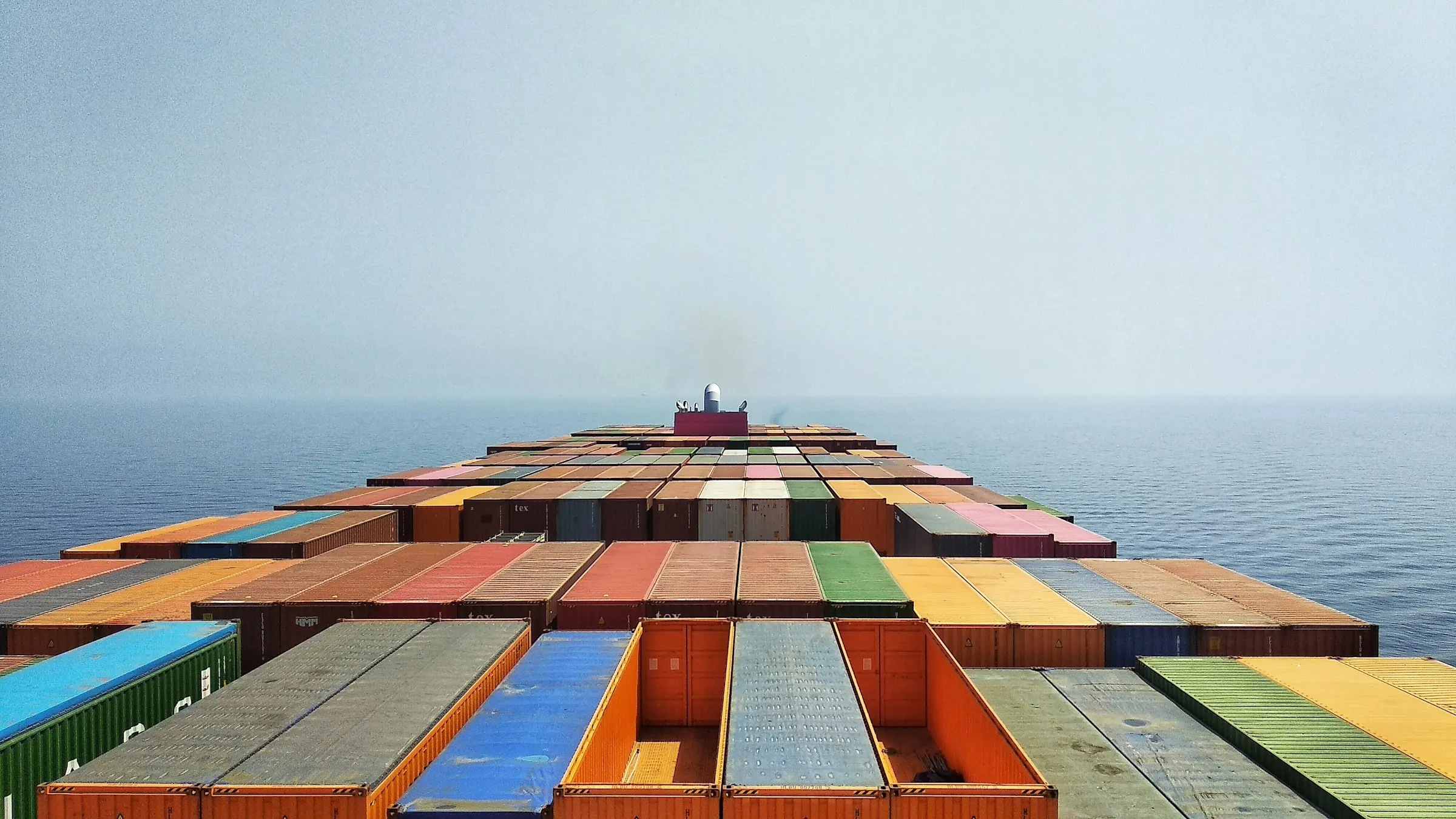
Importing From China to Brazil: Customs and Taxes in 2026
Importing from China to Brazil means keeping three files together at once: the Siscomex licence that authorizes an importer to operate, one of the heaviest import tax stacks in Latin America, and technical standards controlled by INMETRO or ANATEL depending on the product. This article brings together, with sources, the rates, documents and steps that matter to a Brazilian importer, as of September 27, 2026.
What Brazil imports from China: context and promising niches
China is Brazil's top supplier: in 2022, imports from China totaled 67.77 billion dollars, 23.18% of total imports, far ahead of any other partner, according to the World Bank. China is also Brazil's top customer, with 89.72 billion dollars in exports that same year, 26.82% of the total, a flow dominated by agricultural and mining raw materials.
This asymmetry leaves plenty of room for Brazilian importers of Chinese manufactured goods: electronics, spare parts, machine tools, textiles, toys, sporting goods, industrial equipment. The flip side is tax related: the stack of federal taxes plus state ICMS can exceed 60% of the CIF value, a point detailed further below.
Trade and customs relations between Brazil and China
Brazil is a member of Mercosur, the customs union that has applied a Common External Tariff (CET) with Argentina, Paraguay and Uruguay since January 1, 1995. No free trade agreement links Mercosur or Brazil to China: Chinese goods enter under the CET's standard tariff, with no tariff preference, according to the U.S. government (International Trade Administration).
Brazil also applies, through Mercosur, the trade agreement with the European Union, provisionally applied since May 1, 2026 and, as of September 27, 2026, still awaiting European Parliament approval, according to the European Commission. That agreement changes nothing for Chinese goods.
Citiți și Taxe antidumping asupra Chinei: cum să știți dacă sunteți vizat
Customs duties and import taxes: rates and a worked example
Importing into Brazil stacks several levies, each assessed on a base that already includes the previous one, which inflates the total burden. The import duty (II) varies by Mercosur NCM code, most often 10 to 20%, with a WTO ceiling of 35%, on the CIF value, according to PwC Tax Summaries (reviewed September 23, 2026). IPI, the federal tax on industrialized products, is added on top of CIF plus II, most often 5 to 30%, and can exceed 300% for some categories such as tobacco.
PIS-Importação and COFINS-Importação, two federal social contributions, apply at 2.1% and 9.65% respectively, or 11.75% combined, on the CIF value, with higher rates for cosmetics, pharmaceuticals or vehicles. ICMS, the state tax, completes the stack with an internal rate of 17 to 20% depending on the state, and 4% on interstate transactions, also per PwC.
The U.S. government illustrates the cumulative effect with a concrete example: a 100,000 dollar FOB product ends up, once freight, insurance, duties and taxes are added, at 168,931 dollars cleared, a markup of nearly 69%. An exemption regime exists for capital goods and ICT products with no local equivalent, the Ex-Tarifário, reviewed by the Ministry of Industry over 4 to 6 months.
- II: 10 to 20%, WTO ceiling of 35%
- IPI: 5 to 30%, over 300% for some categories
- PIS-Importação 2.1% · COFINS-Importação 9.65%
- ICMS: 17 to 20% internally, 4% interstate
- ITA example: a 100,000 dollar FOB product becomes 168,931 dollars cleared
Citiți și Valoarea în vamă și calculul taxelor: bază, ajustări, rate · Cod vamal SA, NC, TARIC: cum găsiți codul corect și de ce contează
Documents and licences required to import
Every Brazilian importer must first hold an active CNPJ, set up an electronic tax domicile (DTE) on e-CAC, then obtain the licence to operate in foreign trade through Siscomex, known as RADAR and administered by the Receita Federal: without it, no import declaration can be filed, according to the Receita Federal's official portal. Declarations now go through DUIMP, the Single Import Declaration, which is progressively replacing the old DI since October 1, 2024, under a Receita Federal timetable running through 2025 (Portaria Coana No. 165/2024).
An official simulator on the Portal Único estimates the federal taxes due and shows whether a licence is required for the tariff code, even before placing an order. The standard file also includes a commercial invoice, packing list, transport document and, depending on the product, a certificate of origin.
A separate point concerns low-value parcels sold online to individuals, handled by the Receita Federal through a dedicated compliance program, separate from the commercial regime described here. Its exact rates and thresholds remain unconfirmed by an official source as of September 27, 2026, to be checked separately before any direct-to-consumer sale.
Depending on the product, a licence issued by one of sixteen possible authorities may be required before or after shipment, but always before customs clearance, according to the U.S. government. No consolidated list of prohibited categories could be confirmed: this has to be checked line by line, via the simulator or with a despachante aduaneiro (customs broker).
- Active CNPJ and electronic tax domicile (DTE) on e-CAC
- Siscomex licence (RADAR), a prerequisite for any declaration
- DUIMP, which is progressively replacing the DI
- Portal Único simulator: taxes and licences by NCM code
- Invoice, packing list, transport document, origin depending on the product
Citiți și Factura comercială de import: mențiuni obligatorii pentru vamă · Packing list (lista de colisaj): definiție, conținut obligatoriu
Standards, certifications and inspections before shipment
INMETRO, the National Institute of Metrology, Quality and Technology, is Brazil's metrology and technical regulation body: it sets requirements for many product families and runs conformity assessment programs, including the national energy efficiency label, according to its official website. The list of products subject to certification, along with costs and lead times, has to be checked product by product with INMETRO before any production destined for Brazil.
For telecommunications and much of consumer electronics, ANATEL requires prior approval through its Certifica platform, which replaced the former SCH system, to ensure safety, electromagnetic compatibility and spectrum use, according to its official website. For health, cosmetics and medical products, ANVISA additionally requires a local presence, a subsidiary, an authorized distributor or a manufacturing unit, before any product can be placed on the market, according to the U.S. government.
Citiți și Documentația tehnică a produsului: ce trebuie să dețină importatorul
Ports, routes from southern China and recommended incoterms
The Port of Santos, in the state of São Paulo, remains the most-cited maritime gateway: 4.8 million TEUs and 147 million tonnes in 2021, an annual record according to its port authority. Brazil's single window for foreign trade aims to bring clearance of a standard sea shipment down to under ten days, according to the U.S. government.
From southern China, a shipment most often leaves from Shenzhen, Guangzhou or Yantian; no verifiable transit time to Santos could be confirmed, and should be requested from a freight forwarder at booking. The FOB incoterm suits importers who organize transport and clearance themselves; CIF or CFR when an intermediary handles freight through to the arrival port. DDP remains inadvisable as long as the supplier is not itself a registered customs filer in Brazil, a rare situation for a Chinese factory.
Citiți și Cod vamal SA, NC, TARIC: cum găsiți codul corect și de ce contează
Payment, the steps of a first order, and what Sorva does for you
In Brazil, foreign exchange operations tied to foreign trade fall under the Banco Central do Brasil, which oversees transfers made by authorized financial institutions; a written contract, with incoterm and payment terms fixed in advance, is recommended. On the Chinese supplier side, the usual rule applies: a deposit on order followed by the balance before shipment, paid into the company's business account, never a personal account, and any change of bank details received by email should be verified with a direct phone call.
A first order follows a precise sequence: specifications, factory verification, approved sample, proforma invoice with incoterm, Siscomex licence if needed, verification through the simulator, production follow-up, pre-shipment inspection, transport to Santos, DUIMP filing and clearance by the importer or their customs broker. Sorva, a sourcing and trading house based in Guangzhou (Tianhe), backed by a Chinese subsidiary, 广州索尔瓦商务咨询有限公司, whose corporate purpose covers purchasing, resale and export, and by a parent company in France, researches and vets factories, negotiates, arranges quality control and organizes freight to the chosen port, gathering the documents needed for INMETRO, ANATEL or ANVISA procedures. Sorva never acts as the official importer of record in Brazil, does not clear goods through customs locally, and does not export vehicles without a licensed Chinese exporter. Our base offer is priced in dollars, with regional add-ons quoted on request.
Citiți și Incoterm FOB: semnificație, obligații și preț (Incoterms 2020) · Transport maritim China: FCL sau LCL, costuri, termene, prag de comutare
Keep in mind that in Brazil, the stack of federal taxes plus state ICMS can exceed 60% of the CIF value, and that no import declaration can be filed without a prior Siscomex licence. First move: run the product through the Portal Único simulator to find the NCM code, the estimated taxes and any required licence, before confirming the order.
Importați din China?
Spuneți-ne ce doriți să cumpărați. Echipa noastră răspunde pe WhatsApp, cu fabricile, termenele și documentele cerute de țara dvs.
Întrebări frecvente
01What customs duties and taxes apply when importing from China to Brazil?
02Do you need a special authorization to import into Brazil?
03Does Brazil have a trade agreement with China?
04What is DUIMP, and does it replace the DI?
05Which bodies control the compliance of a product imported into Brazil?
06Which port does Chinese cargo typically transit through to reach Brazil?
07How do you safely pay a Chinese supplier from Brazil?
08Can Sorva clear my goods through customs on arrival in Brazil?
Ce se schimbă în acest moment
- Brésil · Fiscalité import
Brazilia reduce taxa pe coletele mici importate începând din mai 2026
Din 12 mai 2026, Brazilia aplică noi reguli de taxare a coletelor internaționale în cadrul programului Remessa Conforme: achizițiile de până la 50 de dolari devin din nou scutite de impozitul federal de import. Peste acest prag, se aplică o rată de 60%, cu o deducere mai generoasă decât înainte pentru platformele certificate.
Citește articolul - Pérou · Accord Chine
Peru ratifică modernizarea acordului său de liber schimb cu China
Lima a finalizat, la sfârșitul lunii iulie 2026, procedurile interne de ratificare a protocolului de modernizare a acordului de liber schimb Peru-China, semnat în 2024. Textul trebuie să intre încă oficial în vigoare, dar modernizează deja cadrul vamal și digital dintre cele două țări.
Citește articolul - Colombie · Droits de douane
Columbia majorează la 35% taxele vamale pe oțelul venit din China
Din martie 2026, Columbia aplică o taxă vamală de 35% pe paisprezece subpoziții de oțel și produse metalo-mecanice originare din țări fără acord comercial cu ea, printre care China. Bogota justifică măsura prin protecția industriei sale siderurgice, ceea ce a provocat o protestare oficială a ambasadei Chinei.
Citește articolul
Certificările pe care le solicită țara dvs.
În dolari, pe bază de ofertă, adăugate aceleiași prestații de bază.
America Latină Documente de import
Pe bază de ofertăIn US dollars
Certificat de origine (formularul acordului de liber schimb, atunci când există, ca în cazul Chile, Peru, Costa Rica sau Ecuador), factură și listă de colisaj cu mențiunile cerute, traduceri în spaniolă sau portugheză.
- Lista documentelor cerute de vama țării dvs.
- Certificat de origine solicitat în China, pe formularul corect
- Factură comercială și listă de colisaj cu mențiunile cerute
- Verificarea documentelor înainte de expediere
Prestația care corespunde
- ComisionComision pe volumDeschideți un dosar, noi găsim și negociem fabrica. Suntem plătiți doar pe marfa pe care o comandați.150 €taxe de deschidere a dosaruluiVezi serviciul
- Birou de studiiStudiu de conformitate reglementarăCe trebuie să respecte produsul dumneavoastră în țara de destinație, scris și documentat, înainte de prima comandă.390 €per produs și per țară de destinațieVezi serviciul
- La bucatăControl înainte de încărcareCantități, ambalaj, marcare, starea containerului, raport foto, înainte ca marfa să plece.229 €per încărcareVezi serviciul