
Importing from China to Peru in 2026: customs, FTA, Chancay port
Importing from China to Peru relies on a free trade agreement in force since 2010 and on a new direct entry point, Chancay port, which does not remove the need to check the duty rate line by line or to gather SUNAT documents before the goods arrive. This article brings together, with sources, the rates, documents, agencies and steps that matter for a Peruvian importer, as of September 27, 2026.
What Peru imports from China, and the strongest niches
China is Peru's leading trading partner: it supplied 25.77% of Peru's imports and took 35.98% of the country's exports in 2023, according to WITS, World Bank. This position rests on the free trade agreement between the two countries, in force since 2010, which removed duties on most tariff lines.
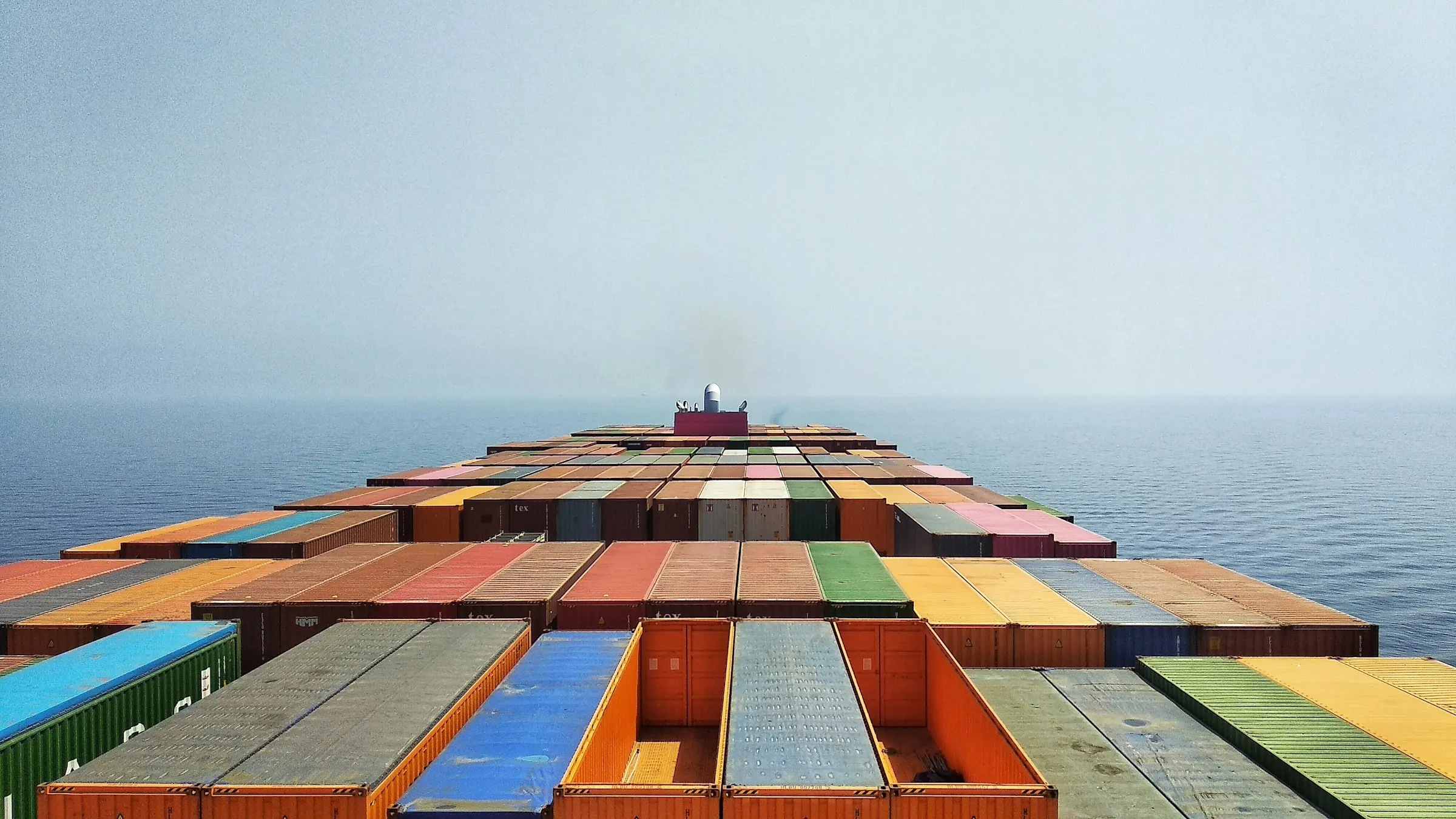
Chancay port, north of Lima, changes the logistics picture: opened on November 14, 2024, it is 60% owned by COSCO Shipping Ports and 40% by Peruvian mining company Volcan, with an announced investment of around 3 billion dollars. Its first phase targets one million containers a year, for vessels of up to 18,000 TEU, making it the first direct link between South America and Asia without an intermediate stop.
The lines excluded from tariff cuts on the Peruvian side are mainly textiles, clothing and footwear, about 10% of tariff lines, against about 1% on the Chinese side, limited to wood and tobacco: the rest enjoys easier access, opening niches in electronics, machinery, industrial parts and consumer goods that local industry cannot make at a competitive price.
Trade and customs relations with China
The free trade agreement between Peru and China was signed on April 28, 2009, and entered into force on March 1, 2010. Peru now has 22 free trade agreements, according to the official US guide to its trade agreements; the one with China remains one of the most significant for its foreign trade.
On the customs side, SUNAT has digitized almost the entire import process, requiring fewer physical documents before the goods arrive. Valuation follows the WTO valuation agreement, backed by a reference price verification system, SIVEP, which compares the declared value against country and supplier databases: an undervalued invoice triggers a check.
Přečtěte si také Celní kód HS, KN, TARIC: jak najít správný kód a proč na něm záleží
Import duties and taxes: rates and calculation
Peru's effectively applied average tariff, across all origins, stood at 1.13% on a simple average and 0.65% on a trade weighted average in 2023, according to WITS, World Bank: a low average that combines zero duty lines with higher ones, and it does not replace checking the exact rate for the tariff line in question. Under the agreement with China, originating goods with a certificate of origin usually enter duty free, except on excluded lines.
On top of that, on the customs value plus duties, comes the general sales tax, the IGV, at a rate of 18%, which applies to 93% of Peru's imports as well as to local production. Peru also applies a selective consumption tax, the ISC, on products such as tobacco and alcohol; an advance IGV collection mechanism exists on imports, but its exact rate was not confirmed by an official source this session, so check it with your customs broker.
Example for a shipment originating in China, CIF value of 10,000 dollars, covered by a certificate of origin and a non excluded tariff line: zero duty, then 18% IGV on 10,000 dollars, meaning 1,800 dollars in tax. Without a certificate of origin, the duty for the tariff line is added first; check it line by line in the Peruvian tariff schedule before ordering.
Přečtěte si také Celní hodnota a výpočet cla: základ, úpravy, sazby · DPH při dovozu a přenesená daňová povinnost: jak to funguje ve Francii
Mandatory documents for a standard import
SUNAT requires for any standard import a customs declaration of goods, the DAM, a commercial invoice, a bill of lading or an air waybill, a packing list and an insurance letter. A certificate of origin, in the format set by the Peru-China agreement, is needed to claim the tariff preference and avoid the standard duty rate.
Processed foods must carry a health registration issued by DIGESA, backed by a free sale certificate from the health authority of the country of origin, while agricultural products fall under a SENASA health certificate; goods in their natural state, such as grains, fruit or vegetables, are exempt, as are samples with no commercial value.
- Customs declaration of goods (DAM)
- Commercial invoice and packing list
- Bill of lading or air waybill, insurance letter
- Certificate of origin for the Peru-China tariff preference
- DIGESA health registration (processed foods) or SENASA certificate (agricultural products)
Přečtěte si také Dovozní obchodní faktura: povinné náležitosti pro celní řízení · Packing list (balicí list): definice, povinný obsah
Standards, certifications and labeling before shipping
The National Institute for Quality, INACAL, carries out three functions in Peru: standardization, through the Peruvian Technical Standards, accreditation of certification bodies and laboratories, and metrology. Three bodies handle conformity assessment for goods bound for Peru: SGS del Perú, BSI and EQUAS S.A.; exact certification costs and timeframes were not found this session, so ask the chosen body directly.
Law 28405, in force since November 2004, requires an imported product's label to show the product name, country of origin, the address of the exporter, importer or distributor, the expiration date, storage instructions and the weight in metric units. Since Supreme Decree 012-2018-SA from the Ministry of Health, health warnings on packaged food and drinks must appear on the front face without being covered; a compliant sticker is still accepted on a permanent basis.
Přečtěte si také Technická dokumentace výrobku: co musí dovozce mít k dispozici
Products banned or subject to a license
Peru does not apply a general quantitative restriction on imports. Two bans target used goods: used vehicles more than five years old and used buses and trucks more than two years old cannot enter Peruvian territory, according to the official US guide on prohibited and restricted imports into Peru. Used medical equipment, for its part, is restricted: its import is only allowed for doctors who acquire it for their own practice.
- Used vehicles more than five years old: banned
- Used buses and trucks more than two years old: banned
- Used medical equipment: reserved for doctors for their own practice
- No general quantitative restriction on imports
Ports, routes from southern China, incoterms and payment
Two sea gateways share the traffic coming from Asia: the historic port of Callao, near Lima, and the new Chancay terminal, operated by COSCO Shipping Ports since November 2024, which aims to shorten the route by removing an intermediate stop. We did not find a verifiable, figure based transit time from southern China this session: ask a freight forwarder when booking. Air freight goes through Lima's Jorge Chávez airport for urgent shipments.
FOB works when the Peruvian buyer arranges transport themselves; CIF or CFR when an intermediary handles it up to the Peruvian port. DDP is not advisable as long as the Chinese seller is not a registered customs declarant in Peru. On payment, the common practice remains a deposit on order and a balance before shipment, paid to the Chinese factory's business account, never a personal account; refusing any change of bank details received by email protects against the most common fraud in the industry.
Přečtěte si také Incoterm FOB: význam, povinnosti a cena (Incoterms 2020) · Námořní přeprava z Číny: FCL nebo LCL, náklady, doba dodání
Steps for a first order, and what Sorva does for you
A first import from China unfolds like this: specification sheet, factory verification, approved sample, proforma invoice with an incoterm, certificate of origin for the Peru-China preference, production follow up, pre-shipment inspection, then filing the DAM and paying the IGV by the Peruvian importer or their customs broker.
Sorva, a sourcing and trading house based in Guangzhou's Tianhe district, backed by a Chinese subsidiary whose corporate purpose covers buying, reselling and exporting goods, and by a parent company in France, finds and verifies factories, negotiates prices and terms, has quality checked before shipment and arranges freight to the chosen port, Callao or Chancay. Sorva never acts as the official importer in Peru, does not clear customs on site, and does not export vehicles without a licensed Chinese exporter. The base offer is invoiced in dollars, with zone based options quoted on request.
Přečtěte si také Platba čínskému dodavateli: bankovní převod, akreditiv · První dovoz: deset kroků a chyby, které draze stojí
Remember that in Peru, the free trade agreement with China and the 18% IGV frame most of the calculation, while the new Chancay port changes the logistics without removing the need to check the rate for the tariff line in question. First move: ask the Chinese factory for a certificate of origin as early as the proforma invoice, to secure the tariff preference before even confirming the order.
Dovážíte z Číny?
Řekněte nám, co chcete koupit. Náš tým odpoví na WhatsApp a uvede továrny, termíny a dokumenty, které vyžaduje vaše země.
Časté otázky
01What import duties apply when importing from China to Peru?
02Does Peru have a free trade agreement with China?
03What is the DAM, and who files it?
04Does Chancay port replace Callao?
05What products are banned from import into Peru?
06What compliance documents should I plan for a food product imported from China?
07Can Sorva clear my goods through customs on arrival in Peru?
Co se mění právě teď
- Pérou · Accord Chine
Peru ratifikuje modernizaci dohody o volném obchodu s Čínou
Lima na konci července 2026 dokončila vnitrostátní postupy ratifikace protokolu o modernizaci dohody o volném obchodu mezi Peru a Čínou, podepsané v roce 2024. Text má ještě oficiálně vstoupit v platnost, ale již nyní modernizuje celní a digitální rámec mezi oběma zeměmi.
Číst článek - Brésil · Fiscalité import
Brazílie snižuje daň na malé dovážené zásilky od května 2026
Od 12. května 2026 Brazílie uplatňuje nová pravidla zdanění mezinárodních zásilek v rámci programu Remessa Conforme: nákupy do 50 dolarů jsou opět osvobozeny od federální dovozní daně. Nad touto hranicí platí sazba 60 %, s velkorysejší slevou než dříve pro certifikované platformy.
Číst článek - Colombie · Droits de douane
Kolumbie zvyšuje clo na ocel z Číny na 35 %
Od března 2026 Kolumbie uplatňuje clo ve výši 35 % na čtrnáct celních podpoložek oceli a kovozpracujících výrobků pocházejících ze zemí bez obchodní dohody s Kolumbií, včetně Číny. Bogota opatření odůvodňuje ochranou svého ocelářského průmyslu, což vyvolalo oficiální protest čínského velvyslanectví.
Číst článek
Certifikace, které vyžaduje váš stát
V dolarech, na základě cenové nabídky, doplňkově k téže základní službě.
Latinská Amerika Dovozní dokumenty
Na vyžádáníIn US dollars
Osvědčení o původu (formulář dohody o volném obchodu, pokud existuje, například s Chile, Peru, Kostarikou nebo Ekvádorem), faktura a balicí list s požadovanými údaji, překlady do španělštiny nebo portugalštiny.
- Seznam dokumentů vyžadovaných celní správou vaší země
- Osvědčení o původu vyžádané v Číně na správném formuláři
- Obchodní faktura a balicí list s požadovanými údaji
- Kontrola dokumentů před odesláním
Odpovídající služba
- ProvizeProvize z objemuOtevřete spis, my najdeme a vyjednáme továrnu. Jsme placeni pouze za zboží, které objednáte.150 €poplatek za otevření spisuZobrazit službu
- Na jednotkuVyhledávání dodavatelů · kompletníVýběrové řízení vedené za vás, číselná tabulka, vzorky v ruce.279 €za produktZobrazit službu
- JednotlivěKontrola před nakládkouMnožství, balení, označení, stav kontejneru, fotografická zpráva, než zboží odejde.229 €za nakládkuZobrazit službu