
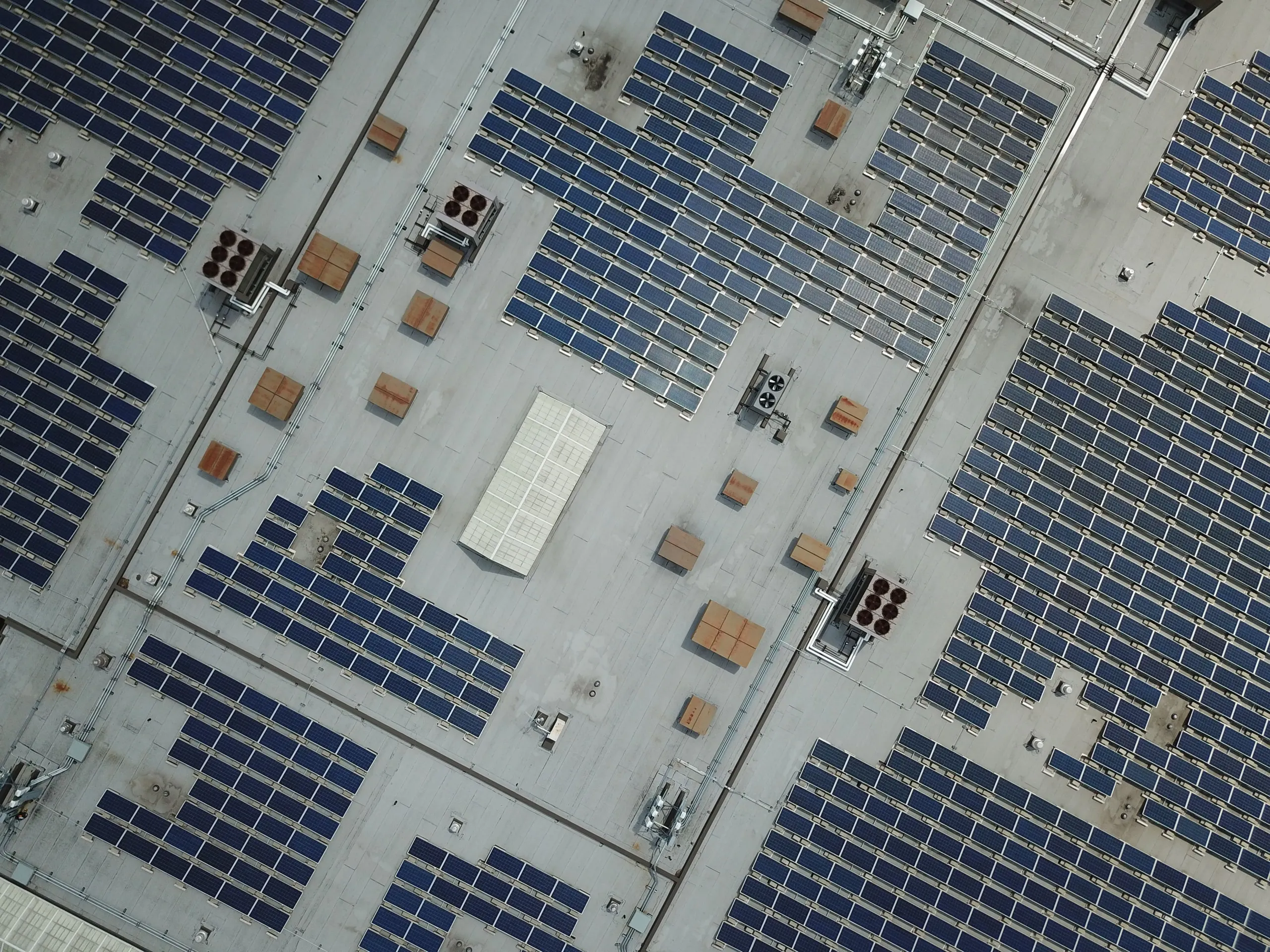
Sourcing solar, domes and modular housing in China
Sunlight, wind, snow, planning rules: the site decides, not the catalogue.
A solar panel, a dome or a cabin is not bought from a product sheet.
It is bought for a place: its sunlight, its winds, its snow load and the rules that apply there.
China supplies the hardware; the site decides whether it stands.
We start with the site, not the catalogue. Duty constraints, public site data, indicative sizing, blocking points: the study says what stands and what does not before a single euro leaves for China. We then have the agreed design built, and we inspect it before loading. Documentary and regulatory study: it does not constitute a signed structural calculation and does not engage the liability of an accredited design office.
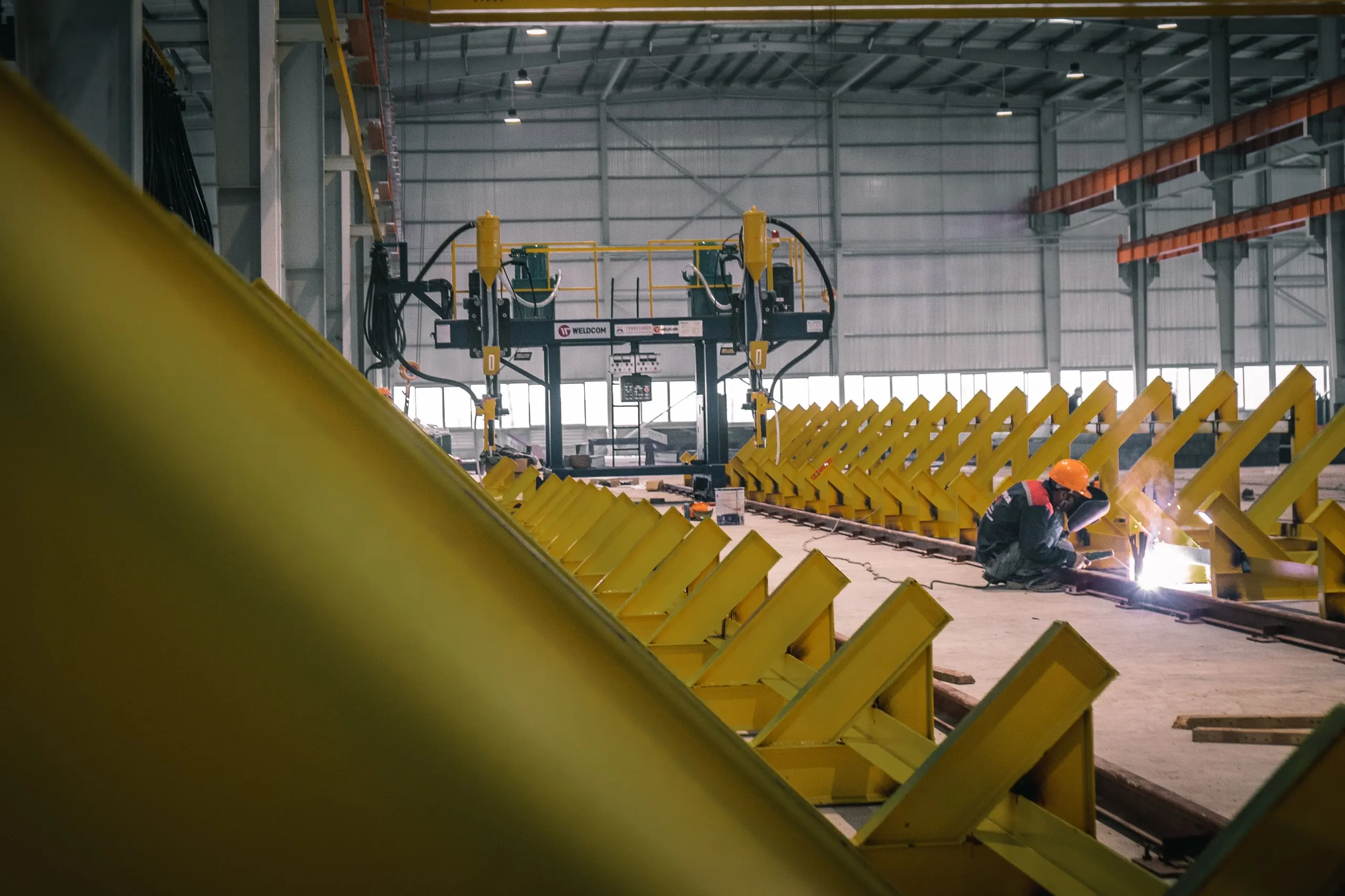
Chinese supply here is plentiful and keenly priced: photovoltaic modules, mounting rails, standalone solar street lights, steel-tube domes, cabins and prefabricated living modules. It is also undifferentiated. The same technical sheet circulates across twenty sellers, often translated from one original document, and nothing in it says whether the product suits the Massif Central, the Atlantic coast or the east coast of Madagascar.
The differences turn on three figures the factory does not have: the sunlight of the site, the wind pressure and the snow load. The Eurocodes set the method for the last two, EN 1991-1-4 for wind and EN 1991-1-3 for snow, with values that depend on the zone, the site and the altitude. A dome sold as all-season from southern China was never designed for a mountain snow load, and nobody will say so on your behalf.
The third wall is administrative. Depending on its floor area, a living module falls under a prior declaration or a full building permit, and the local planning document may add rules of its own. We gather the duty constraints and the public site data, we give an indicative sizing, and we name what has to be settled by the planning authority or by an accredited design office. Knowing before ordering beats finding out after unloading.
- Photovoltaic modules
- Standalone solar street lights
- Geodesic domes
- Living modules and cabins
- Storage, inverters and cabling
Often a full container on living modules and domes, where volume drives the delivered price. On solar street lights and photovoltaic modules, a few dozen units are enough to open a serious negotiation.
Study 2 to 3 weeks, prototype or sample 4 to 6 weeks, production 30 to 60 days, then 4 to 5 weeks at sea to Europe. Destinations outside Europe add their own transit.
A peak output stated with no test report tied to the delivered model; a structure sized for a climate that is not yours; an incomplete lithium battery transport file, which stops the loading; and a project launched before anyone looked at the local planning rules. All four are handled before ordering, never after.
- Wind load, EN 1991-1-4
The Eurocode sets the method for calculating wind actions on structures. Values depend on the zone, the site and the height: a structure sized elsewhere does not transpose as it stands.
- Snow load, EN 1991-1-3
Same logic for snow, with loads that rise quickly with altitude. This is the point that most often condemns a dome or a light shelter imported without a prior study.
- Photovoltaic modules, IEC 61215
The standard covers design qualification for terrestrial photovoltaic modules. The test report must cover the exact model to be delivered, not a neighbouring reference from the same catalogue.
- Low Voltage Directive 2014/35/EU
It applies to the electrical equipment concerned when placed on the Union market. Inverters, enclosures and luminaires must carry a marking backed by real testing, not by a factory statement.
- Planning thresholds
Depending on floor area, a living module falls under a prior declaration or a full building permit, and the municipality may add rules of its own. That is checked with the planning authority before ordering.

Geodesic domes, Tamatave
Geodesic dome file for a project in Tamatave, Madagascar.
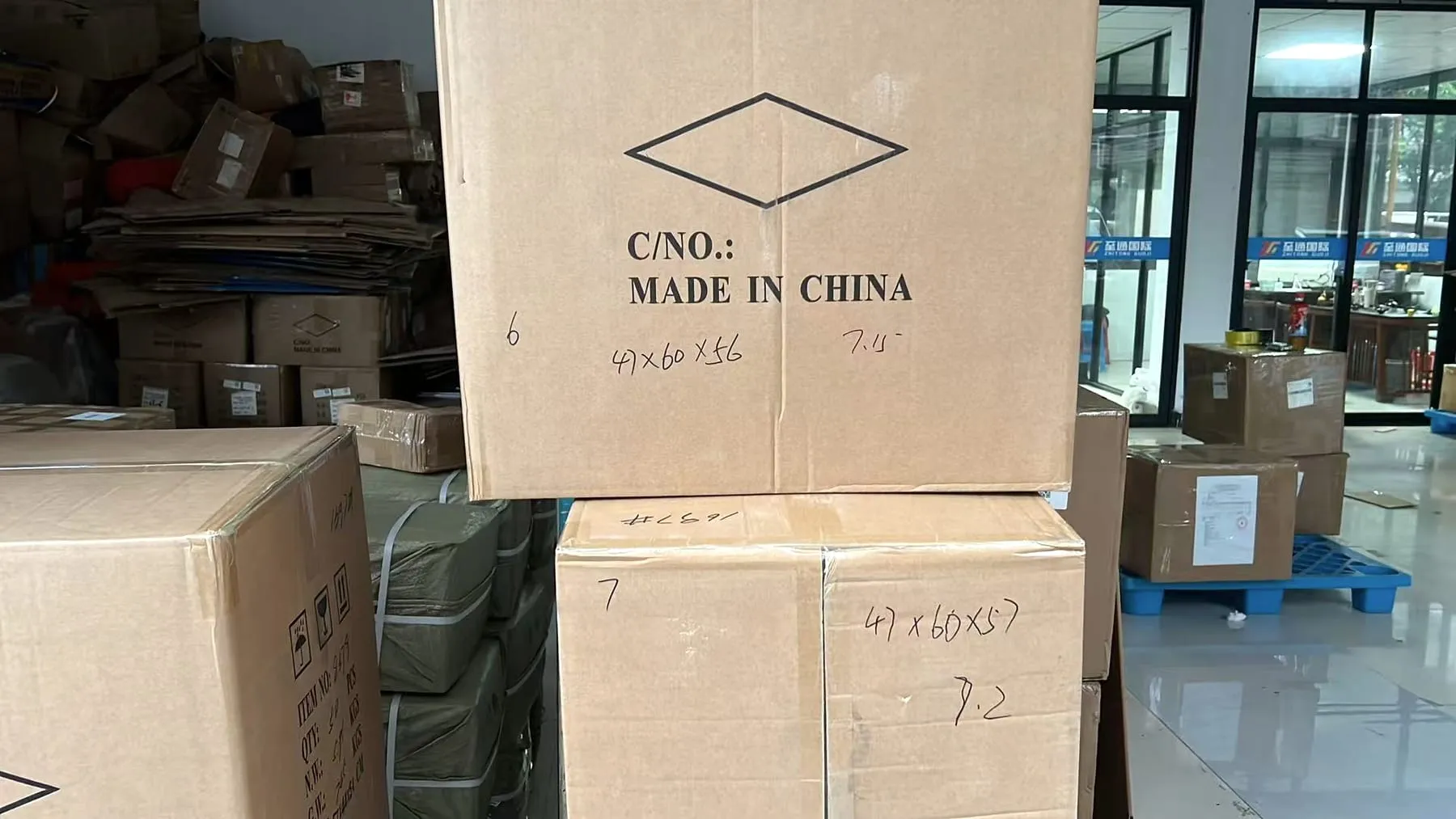
Houses under 20 m²
Living modules with a floor area below 20 m².

Solar street lights, Madagascar
Standalone solar street light file for Madagascar.
Where to start in this sector
Here the expensive mistake is made before ordering: a product picked from a catalogue for a site that will not take it.
So the feasibility study comes first.
Documentary and regulatory study: it does not constitute a signed structural calculation and does not engage the liability of an accredited design office.
 Within 15 working days
Technical feasibility study
It looks at the place before the product: duty constraints, public site data, indicative sizing, blocking points, and the gap between what the factory offers and what the ground imposes.
 Within 10 working days
Regulatory compliance study
Essential as soon as there is electrical equipment in the container: mandatory markings, certificates to demand from the factory, customs classification and duty rates.
Within 10 working daysSupplier search · full
In a market where twenty sellers share one technical sheet, only a costed competitive round, samples ordered and consolidated included, shows who actually manufactures.
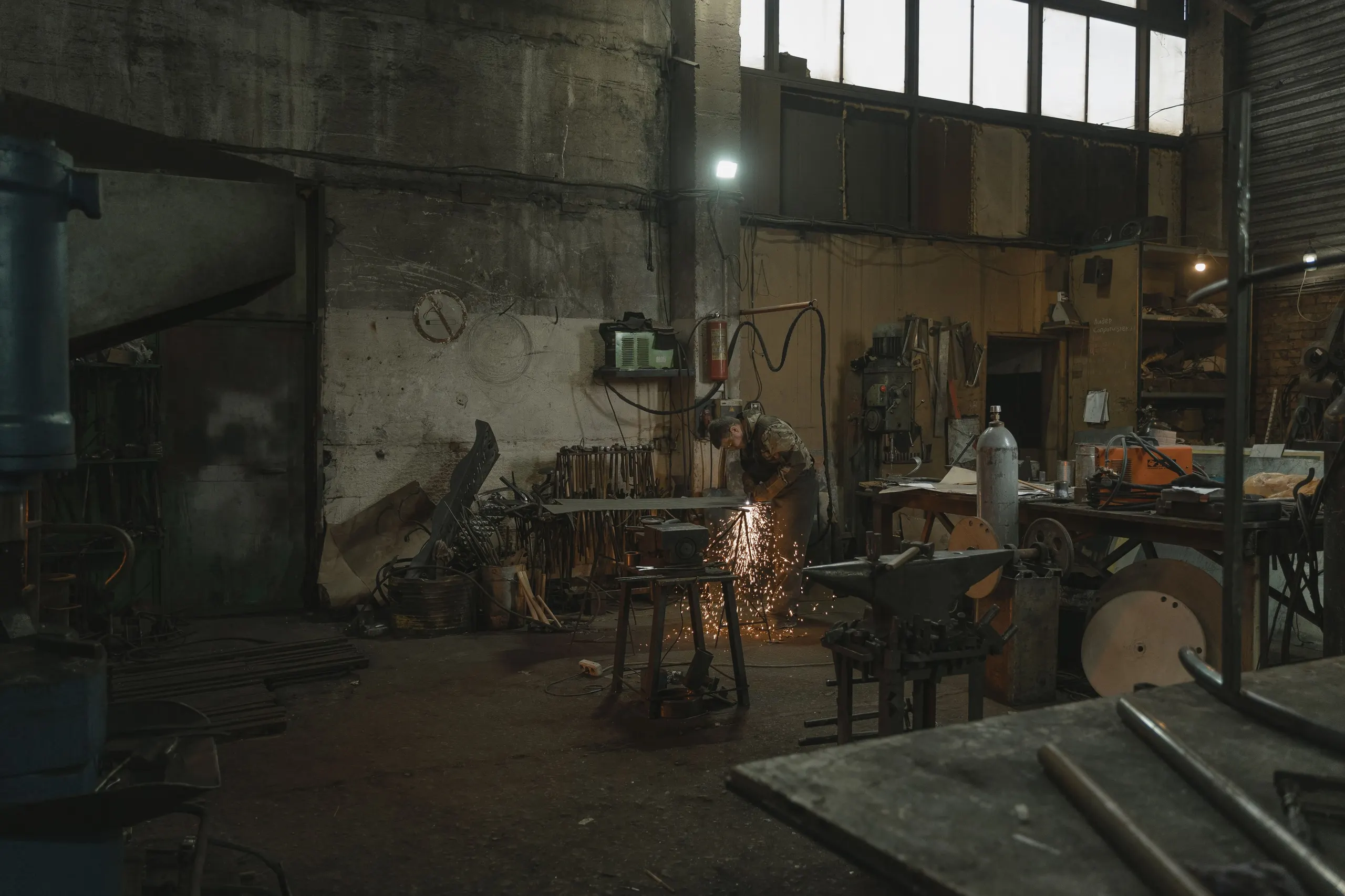 Within 20 working days
Product technical file
Specifications, dimensioned drawings, test list, labelling and a declaration of conformity for the manufacturer to sign: the document that makes a run repeatable.
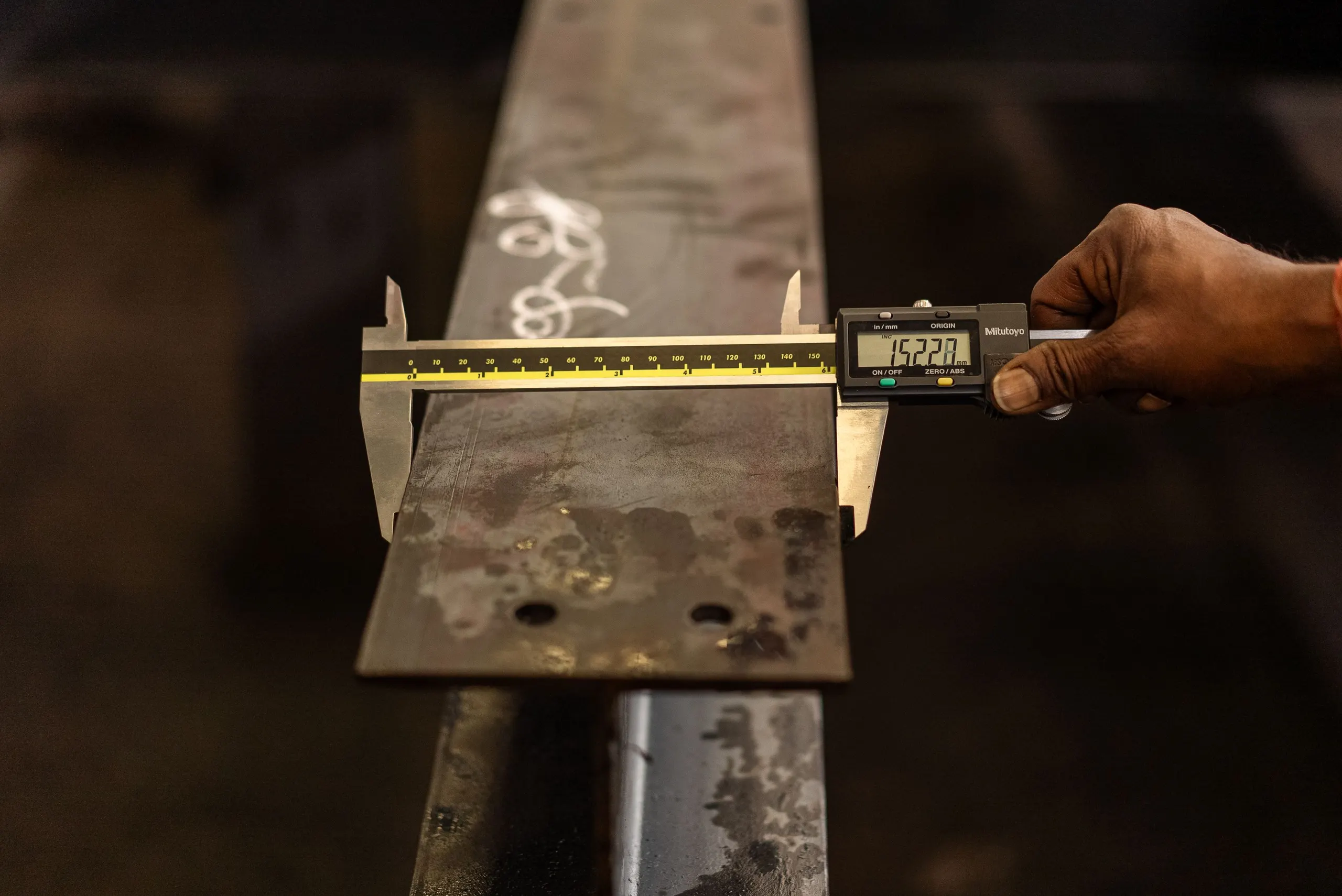 On loading day
Pre-shipment inspection
Glass, frames, cabling, bracing: on these products most of the damage is decided when the container is stuffed.
Excluding tax · Launch pricing until 31 December 2026
01Can you guarantee a dome will stand on my land?
No, and nobody should guarantee that from a product sheet. Our study gathers the duty constraints and the public site data and gives an indicative sizing. Documentary and regulatory study: it does not constitute a signed structural calculation and does not engage the liability of an accredited design office.
02Is the stated module output reliable?
It is when a test report ties it to the exact reference to be delivered. We demand that report, check it covers the right model, and have the batch inspected before loading.
03Do I need consent to install a living module?
Depending on floor area, a prior declaration or a full building permit, and the municipality may add rules of its own. We document what is public; the ruling stays with the planning authority.