
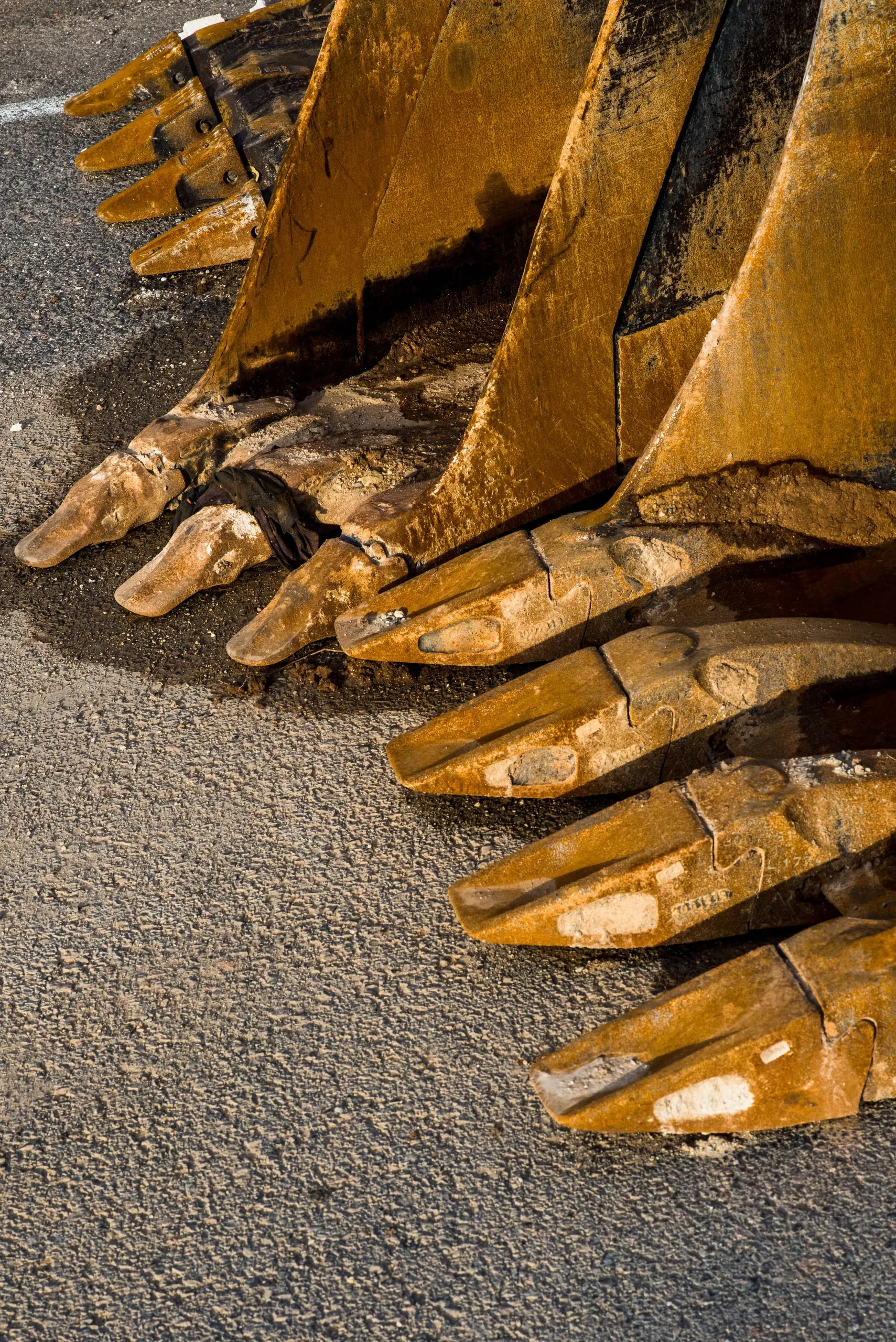
Sourcing machine parts and technical equipment in China
Dimensioned interfaces, steel grades, drawings confirmed before production.
A machine part cannot be judged from a photograph.
It is judged on a dimension, a steel grade and an interface that has to fit first time.
China can build these parts; the question is whether the factory is working from the right drawing.
We do not order from a reference found online. We start from the actual machine, its dimensions and its duty, we have the drawing confirmed by the factory before production, and we check the dimensions before loading, while the part is still in China. On equipment that has to fit first time, no other protocol holds.
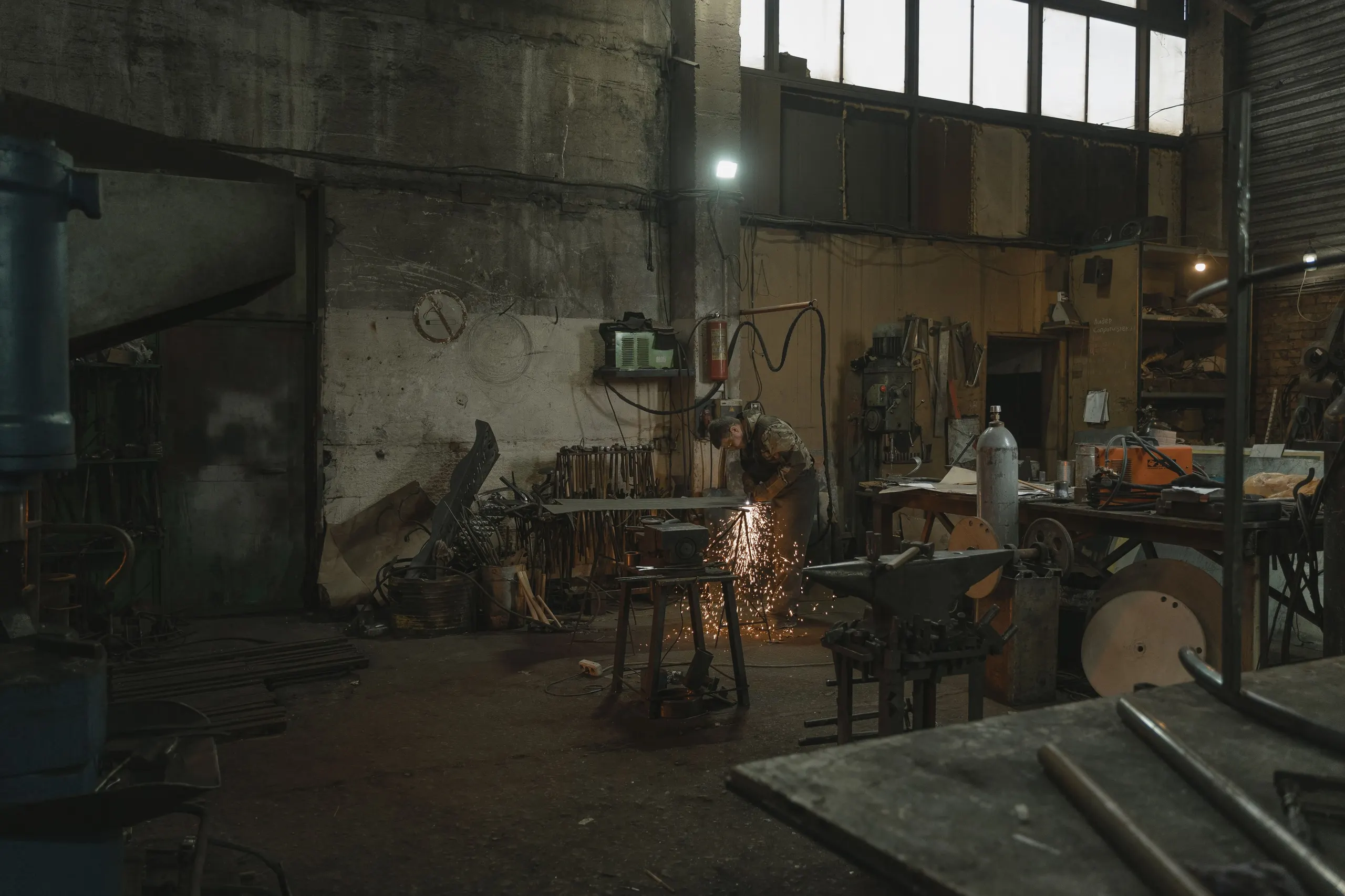
Wear parts, buckets, teeth, cutting edges and tool carriers are sourced around the construction-machinery clusters of eastern China, in Shandong and Jiangsu, where forging, fabrication and heat treatment sit on the same site. Hydraulics follow a different map, and powersports spares a third. A single seller offering all three is almost always a trader: he buys elsewhere what he invoices you, and nobody answers for the drawing.
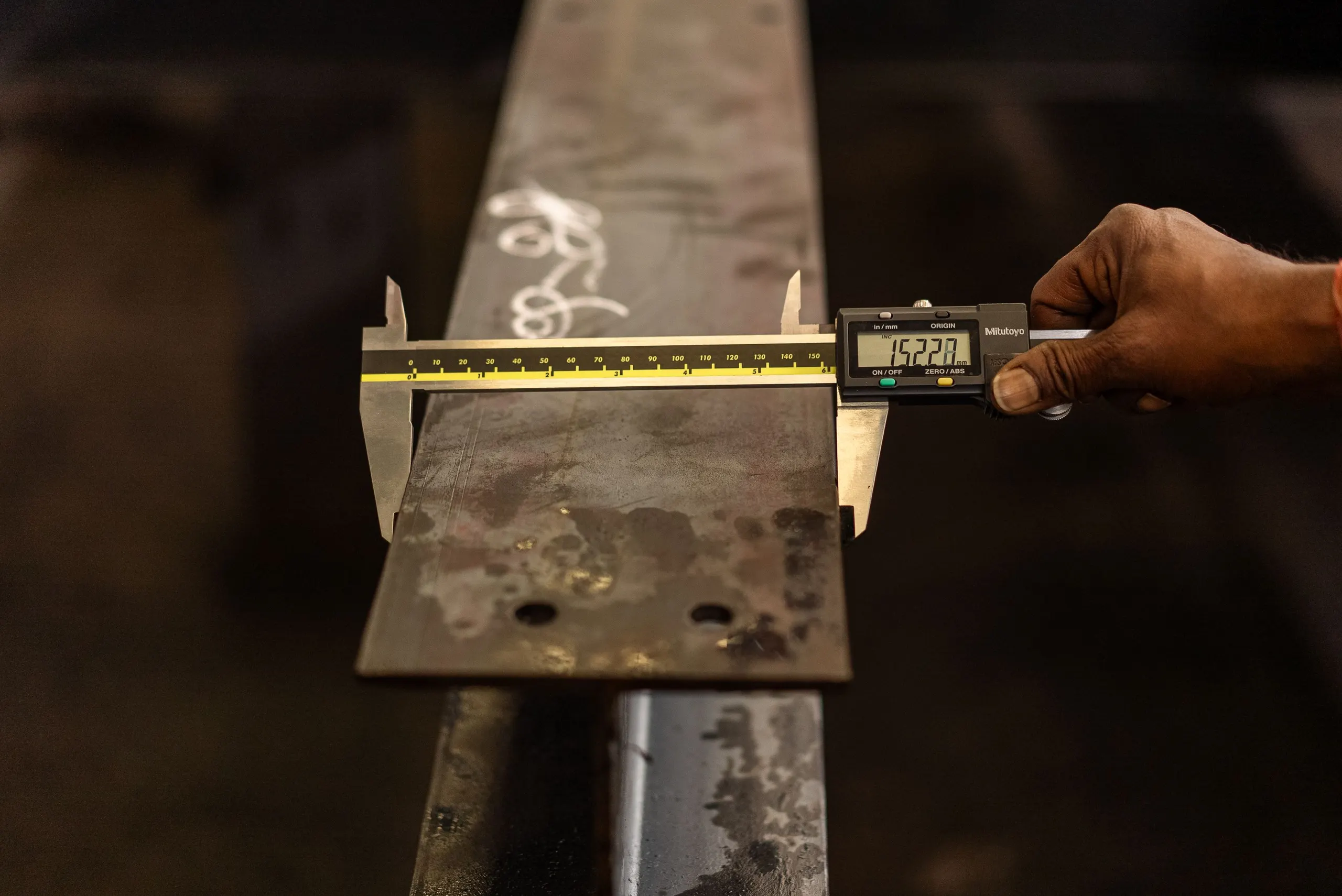
In this sector the dispute almost never comes from the material, it comes from the drawing. A bucket whose coupler sits three millimetres out will not mount, and a part that will not mount has no resale value. So we work backwards: pin centres, coupler width, plate thickness, steel grade and treatment are confirmed in writing by the factory, on a dimensioned drawing, before the first plate is cut. Anything left unwritten at that point will be interpreted by the workshop, and it will interpret in its own favour.
The second subject is regulatory. Once equipment is placed on the Union market, it is the importer who carries the marking, not the factory that prints it. The Machinery Regulation (EU) 2023/1230 applies from 20 January 2027, and equipment designed today will still be in service by then. We settle that point in the specification, together with the customs classification and the certificates to demand, rather than at clearance.
- Buckets and wear parts
- Quick couplers and interfaces
- Hydraulics, rams, hoses, fittings
- ATV and side-by-side spares
- Bespoke machine attachments
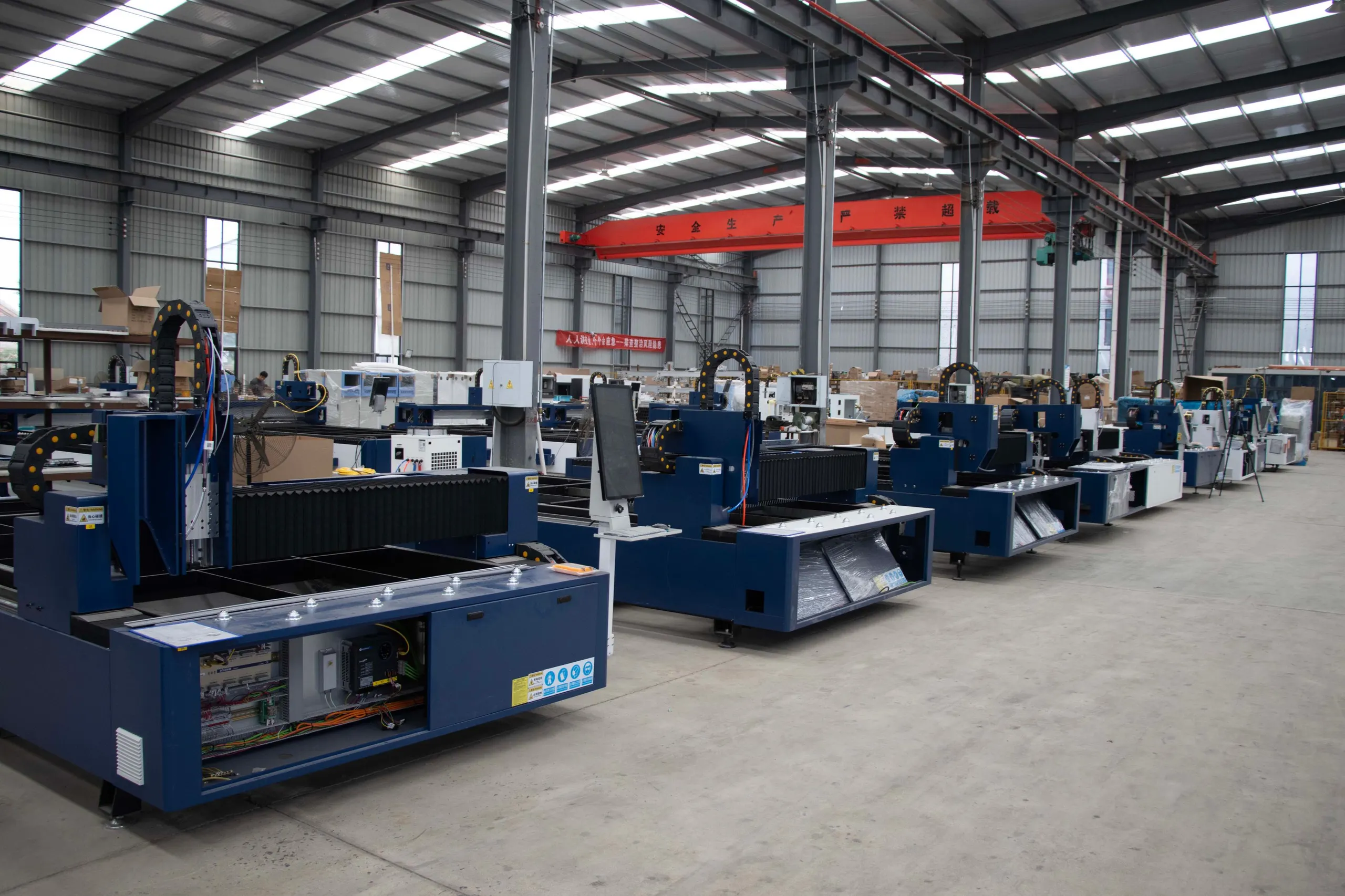
One to ten pieces on a fabricated or machined attachment, a few dozen on a series spare. The real threshold is not quantity, it is tooling cost as soon as a mould, a welding jig or a die is needed.
Drawing confirmation 1 to 2 weeks, first article or sample 3 to 5 weeks, series 30 to 45 days, then 4 to 5 weeks at sea.
A coupler copied roughly from a generic drawing; a steel grade stated but never certified; heat treatment missing on a wear part, which shows after six months on site and never on delivery; hoses fitted with a thread that is not the machine’s. All four are stopped on the drawing, before production.
- Machinery Regulation (EU) 2023/1230
It applies from 20 January 2027 to machinery and related products placed on the Union market. Equipment drawn today will still be in service by then: the question belongs in the specification, not at delivery.
- CE marking and declaration of conformity
The marking binds the importer. It assumes an available technical file and a declaration of conformity signed by the manufacturer, which we have issued before shipment rather than after.
- Mill certificate (EN 10204)
The stated grade has to be evidenced. A 3.1 inspection certificate under EN 10204 ties the delivered batch to a real analysis, where a sales sheet binds nobody.
- Dimensioned drawings and interfaces
Coupler, pin centres, width, thickness, working clearances: everything that governs the fit is fixed on a dimensioned drawing, confirmed in writing by the factory before cutting. An approximate interface cannot be recovered on arrival.
- Steel and aluminium, carbon mechanism
Depending on the customs classification applied, a steel or aluminium part may fall within the EU's carbon border adjustment mechanism. That is checked before quoting a delivered price, not afterwards.
S60 buckets, Questembert
Machine buckets on an S60 coupler interface, for a client in Questembert.

Can-Am Maverick X3
Parts file for this side-by-side vehicle.
CFMoto CFORCE 1000
Parts file for this utility quad.
8 t excavator
Attachments file for an 8-tonne excavator.
Where to start in this sector
On technical equipment the useful spend sits upstream: a confirmed drawing always costs less than a batch that will not mount.
Engineering is the way in here, not a comfort option.
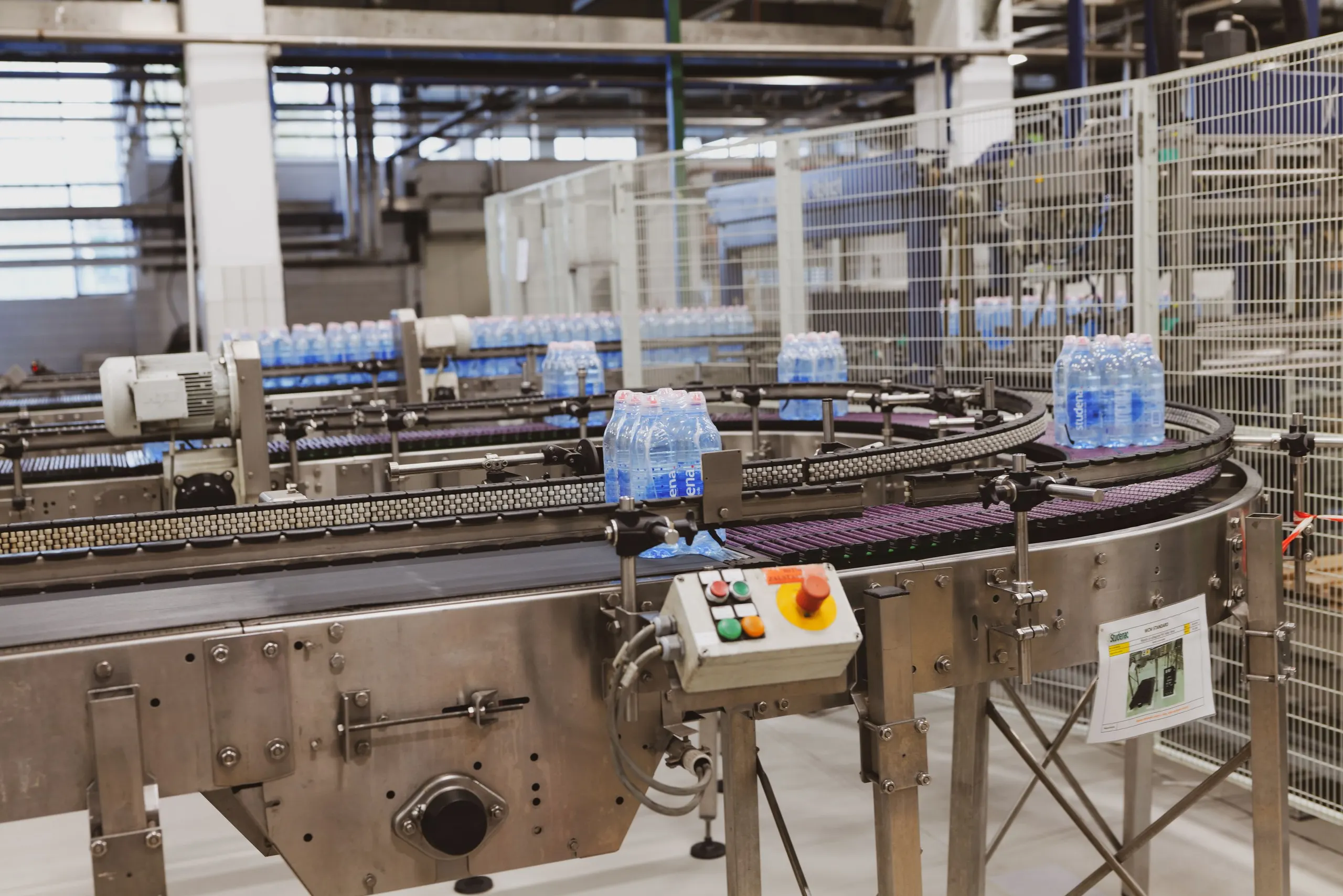 Within 15 working days
Technical feasibility study
It settles, before you order, what the machine really imposes: duty constraints, mounting dimensions, blocking points, and the gap between what the factory offers and what will actually fit on site.
Within 20 working daysProduct technical file
Specifications, dimensioned drawings, bill of materials, test list and a declaration of conformity for the manufacturer to sign: the document that makes a part repeatable from one run to the next.
 Within 10 working days
Regulatory compliance study
Needed as soon as equipment is placed on the European market: mandatory markings, certificates to demand from the factory, customs classification and duty rates.
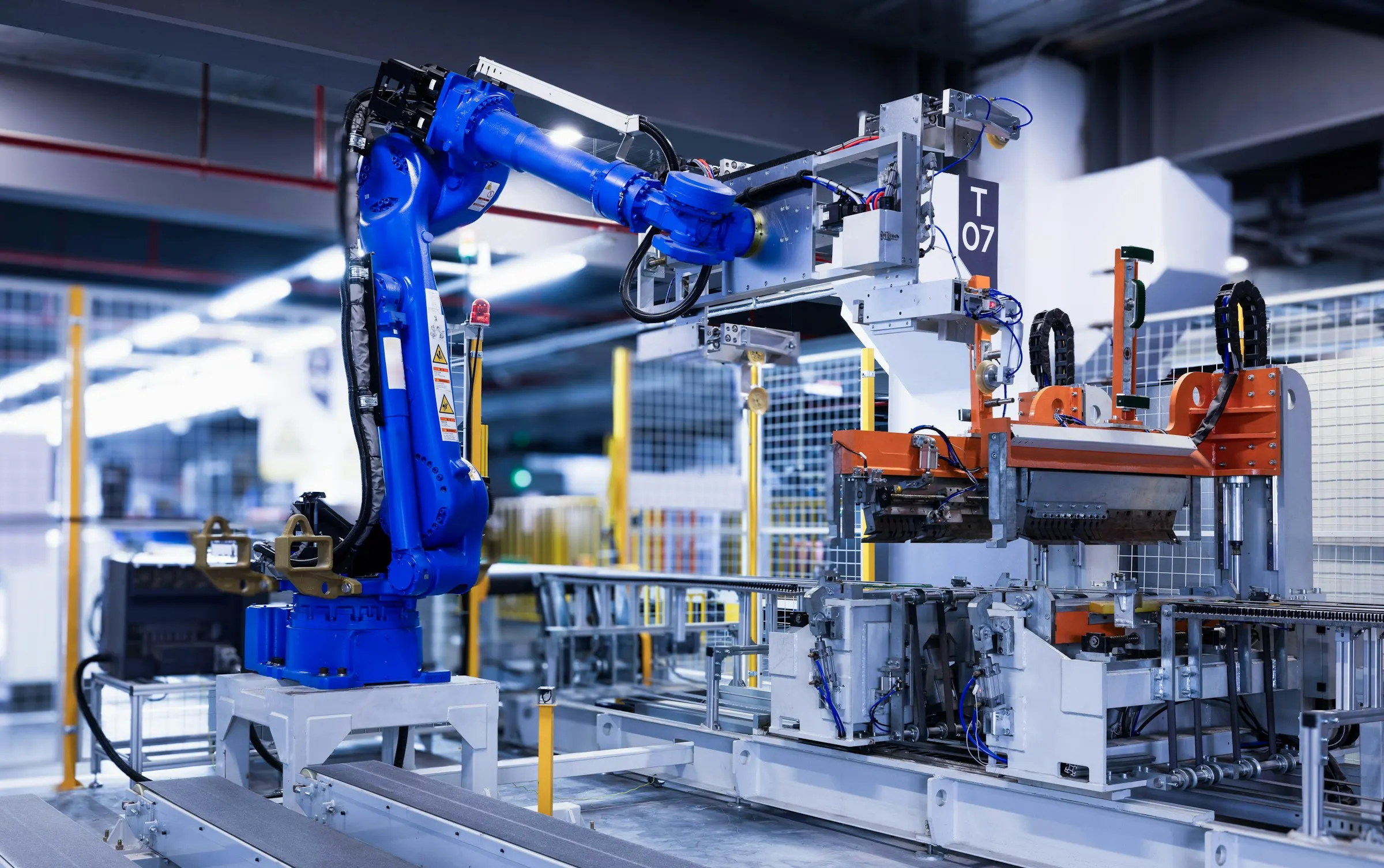 Within 72 h
In-depth supplier check
A factory that forges and heat-treats is not the one that resells. The check states what its licensed scope actually covers, and what it does not.
On loading dayPre-shipment inspection
Interface dimensions are checked with a tape measure, at the factory, while the part is still in China and a correction only costs a delay.
Excluding tax · Launch pricing until 31 December 2026
01Do I need a drawing to order a machine part?
Yes, or enough to make one: dimensions taken off the machine, sharp photographs of the interface, and the manufacturer reference. Without that, the factory builds what it is used to building, and the part does not fit.
02Can you have an original part copied?
We can have a compatible part built from measured dimensions. We do not have a brand, a logo or a protected reference reproduced: counterfeit parts are stopped at customs, and it is the importer who answers for them.
03How do you verify the stated steel grade?
By demanding a mill certificate tied to the delivered batch, and by inspecting the part before loading. On a wear part, the gap between the stated grade and the real one does not show on delivery, it shows in hours on site.