
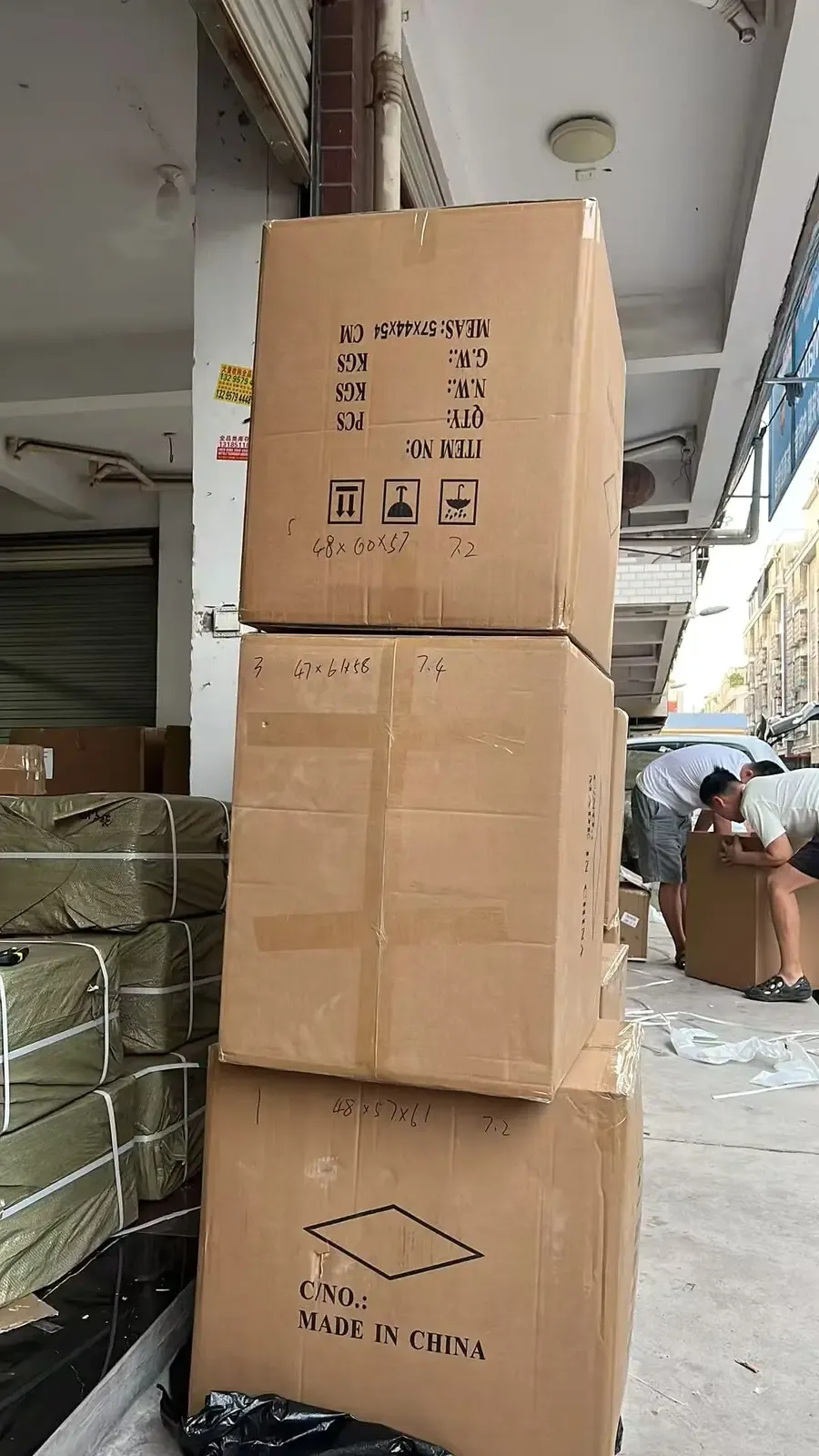
China factory sample: golden sample and pre-series
A seductive sample does not guarantee compliant production: most disappointments arise between sample validation and series launch. This article distinguishes samples, pre-series, and golden sample, with their real cost and the method to validate them unambiguously.
Sample, pre-series, golden sample: three distinct roles
A sample is a copy made before the order, to judge a factory or a product. The pre-series is a small batch made on the actual line, with production materials and teams, just before launch. The golden sample, or reference sample, is the copy validated in writing, sealed, and kept by both parties: it serves as evidence in case of dispute.
The three items do not serve the same purpose. The sample tells whether the factory can make the product. The pre-series tells whether it can reproduce it in quantity, at the same finish level. The golden sample tells what the two parties committed to in writing. Confusing these roles leaves gray areas, which less rigorous factories exploit.
Read next Golden sample: the reference sample that settles disputes
The sample range of a Chinese factory
Export factories distinguish several stages, each with a name and a use. Not all carry the same weight in negotiation. Names vary from one factory to another; the logic remains the same. Always ask the factory to specify what it sends, in writing.
- Development sample: check feasibility and appearance before any commitment
- Commercial sample: present the product to your customers or at a trade show
- Pre-production sample: freeze the product as it will come off the line
- Golden sample: validated, signed, and sealed copy, attached to the purchase contract
- Production sample: copy taken from the line during manufacturing
- Shipment sample: copy kept from each batch, for claims
Read next Purchase contract with a Chinese supplier: clauses and value
What a sample costs, and why it is not the unit price
The price of a sample almost always exceeds the unit price of a volume order: machine setup, very small series, manual work. Some factories offer the sample to serious buyers and charge shipping; others charge both, then deduct the amount from the first order. This is a common practice, to be negotiated before sending, never after.
Express shipping (DHL, FedEx, UPS) connects a Chinese factory to Europe in a few days; expect around a few tens of euros for a small package, more for a heavy or bulky product. Then add the back-and-forth: each iteration adds days, often more than a week including shipping. A precise specification from the start reduces the number of iterations.
Read next Express China France: costs DHL, FedEx, UPS and customs on arrival
Validate against the specification, not against the impression
A sample is judged against the written specifications, not by eye. Dimensions measured with a caliper, materials and thicknesses verified, weight, color observed in daylight, packaging and markings. Each deviation is noted in writing, with photos, then sent back to the factory for correction.
- Dimensions and tolerances measured, not estimated
- Materials and thicknesses conforming to the technical data sheet
- Finishes: burrs, seams, welds, varnish
- Color and appearance observed in daylight
- Packaging, labeling, and regulatory markings
- Realistic usage test, not just a visual examination
Read next Product specification: the tech pack the factory follows
The pre-series: the last filter before the large series
Even with a validated golden sample, mass production introduces its own deviations: different operators, high cadence, material from a different batch. The pre-series involves having a small quantity manufactured on the actual line, under the exact conditions of the series. It checks what a single sample does not show: consistency from piece to piece, machine settings, assembly line, packaging.
The pre-series is inspected like a delivery: sampling according to ISO 2859-1, which defines sampling plans and AQL levels, against the list of acceptable defects. Defects found can still be corrected at this stage without stopping production. Once the series is launched, each correction costs more: reworking ongoing production costs in delays, scrap, or rejected goods.
Read next AQL Levels Explained: 2.5, Sampling, and Worked Examples · Pre-shipment inspection: the PSI protocol in China
Costly traps
First trap: a sample made in the commercial office workshop, then production launched on another line, with different materials. Always ask that the pre-series come from the line that will produce the order. Second trap: validating a sample by eye, without comparing it to the specifications, then discovering that the factory followed the sample on points where it was itself faulty.
Third trap: leaving the golden sample only at the factory, then seeing it disappear during production. Demand two sealed copies and keep yours in Europe. Last trap: modifications granted by message, on WeChat or by email, without updating the reference. Each useful change results in a new dated technical sheet, otherwise the golden sample no longer means anything.
What Sorva does for you
Sorva is a brokerage and sourcing house active between Europe and China. On this topic, our Chinese-speaking team in Guangzhou manages the entire loop: defining the specifications, negotiating sampling conditions, tracking exchanges until the golden sample is sealed, then inspecting the pre-series in the factory before series launch. You receive dated reports with photos and a single point of contact in Europe.
In most cases, you do not pay fees: you open a file, we negotiate the goods for you, and we take a volume commission calculated on its EXW value. Our interest follows yours: careful validation upstream avoids disputes that would cost both parties dearly. Open a file with your product idea: we will tell you if it is importable and which validation step to start with.
A flattering sample proves nothing: only a sealed reference, compared to an inspected pre-series, protects an order. Start by writing the specification, then demand a golden sample in two copies before any deposit.
Let's talk about your project
Frequently asked questions
01Who pays for the sample and its transport from China?
02What is the difference between a pre-series sample and a golden sample?
03Is a golden sample necessary even for a small order?
04How many iterations are needed to validate a sample?
05What to do if the production differs from the golden sample?
The service that matches
- CommissionVolume commissionYou open a file, we find and negotiate the factory. We are paid only on the goods you order.€150file opening feeView service
- Engineering studiesProduct technical fileWhat must be built, what must be tested, what must be labelled, what must be signed.€1,290per productView service
- One-off servicePre-shipment inspectionQuantities, packing, marking, container condition and a photo report, before the goods leave.€229per loadingView service