
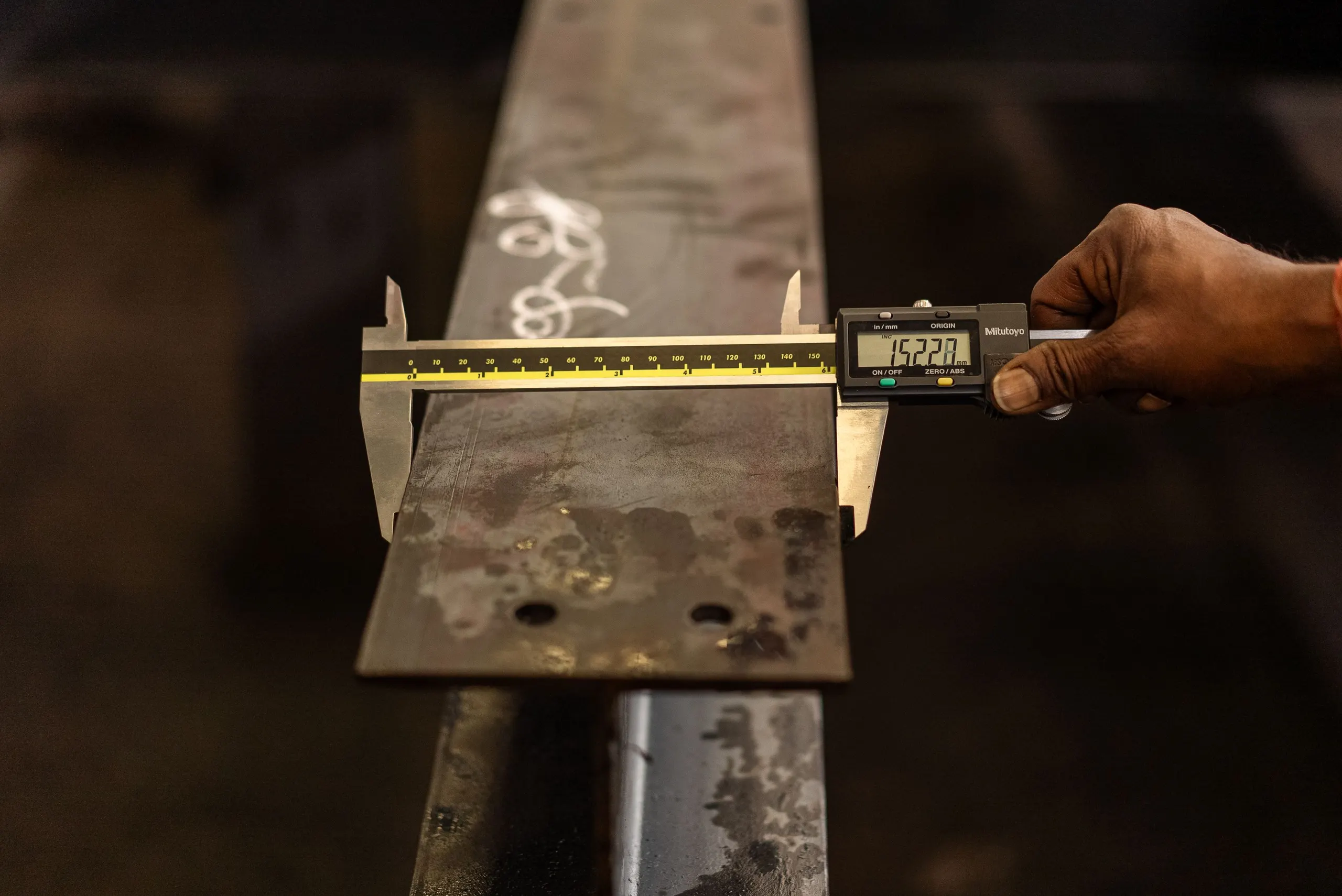
Golden sample: the reference sample that settles disputes
You approve a sample in China, and three months later the cartons arrive with a different color or finish, with no proof of what was accepted. This article explains how to create a signed golden sample, seal it, and use it to settle a dispute.
What exactly is a golden sample
The golden sample, also called the reference sample, is a finished product accepted by the buyer and the factory, then signed and sealed together. It becomes the official definition of the agreed quality: color, finish, texture, weight, assembly, packaging. In practice, several strictly identical copies are prepared. Each one is stamped with the factory's official seal, called a chop, dated, and sealed.
This physical document answers a simple problem: thousands of kilometers away, an exchange of emails and a few photos do not define a quality. Each party keeps its own interpretation of "matches the photo." The signed sample replaces those interpretations with a shared object that anyone can place on a table and compare with production.
Why a signed sample settles disputes
The typical dispute often follows the same scene: the production has rougher finishes than the buyer imagined, and the factory claims the buyer approved that level. Without a signed reference, the debate becomes an exchange of opinions. With a golden sample, an independent inspector takes out the sealed copy, compares randomly drawn cartons, and notes the discrepancy or its absence. The discussion leaves the realm of impressions and enters the realm of evidence.
In China, the sealed sample, called feng yang in local trade, is a piece of evidence recognized in the practice of courts and arbitration centers: it embodies the quality agreed between the parties. Its strength, however, depends on the written framework. The proforma or the contract must state that the reference quality is that of the sealed sample, identified by its date and its reference. A signed sample that is never mentioned in a contractual document loses most of its usefulness.
Read next Purchase contract with a Chinese supplier: clauses and value · Non-conforming goods: what to do with a Chinese supplier
What the golden sample covers, and what it does not cover
The reference sample is decisive for everything judged by eye and by touch: the exact shade, the grain of a plastic, the neatness of a seam, the evenness of a varnish, the presentation of the packaging. Inspections rely on both tools: defect rates are measured by sampling according to ISO 2859-1, while the golden sample serves as a comparison point for the subjective aspects that no grid can quantify.
It does not replace a specification. Dimensions and quantified tolerances, material composition, regulatory requirements such as CE marking or restrictions on certain substances cannot be deduced from a physical object. A sample can be signed by both parties and still remain non-compliant with European regulations: the signature creates a commercial agreement, it does not amount to market authorization. The two documents complement each other; they do not replace one another.
Read next CE Marking on Imports: What It Covers and How to Verify · REACH and Regulated Substances: The Importer's Checks
Having the sample signed and sealed, step by step
The key moment comes after the counter-sample has been approved, that pre-production product made on the production line and not handcrafted in the salesperson's office. Here is the procedure to follow:
Three pitfalls recur often. A signature affixed by an employee who does not have the authority to bind the factory, and which no department stamp can make up for. Copies that are not identical, which weaken the evidence at the first dispute. Finally, a sealed sample that is absent from the contract: the statement "quality conforming to the sealed sample" must appear in black and white on the proforma or the purchase contract, together with the date and reference of the copy.
- Have a counter-sample produced under real conditions, on the same line as the production run.
- Check it point by point against the specifications: material, color, dimensions, finishes, packaging.
- Prepare at least three strictly identical copies.
- Have each copy signed by an authorized manager of the factory, with the official stamp, and have each signature dated.
- Seal each copy in opaque film or a numbered pouch, with a label indicating the product, reference, and date.
- Distribute the copies: one for you, one at the factory, one for the quality controller or inspection agency.
- Archive photos, videos, and the contract or proforma that mentions this sample as a quality reference.
Read next How to read a Chinese proforma invoice: line by line
The golden sample in quality control and replenishment
Before series launch, the factory must produce a first product from the line, compare it to the sealed sample, and send you photos or a video of the comparison. During production and at final inspection, the controller compares randomly selected cartons with the copy they have on site. Without this physical copy, they can only judge from images, and their report loses weight against the factory.
The golden sample also serves for reorders. The production of a second order must match what was accepted the first time: keep the sealed copy as long as you work with this supplier, and have a new copy sealed if the product changes. A modified product without a new signature reopens the debate that the sample had closed.
Read next Pre-shipment inspection: the PSI protocol in China
What Sorva does for you
Sorva is a brokerage and sourcing firm based in China. Our Chinese-speaking team in Guangzhou follows your files daily: we verify the identity and authority of the signatory, have each copy stamped and dated, keep one in our premises, and include the sealed sample reference in the proforma or purchase contract. Before each inspection, we hand over the designated copy to the controller, so their report is based on the signed piece.
In most cases, you pay no fees: you open a file, we negotiate the goods for you, and we take a commission on their ex-works value. The reference sample is then part of a complete package: product technical file, pre-shipment inspection, and reorder follow-up, so that the agreed quality remains the delivered quality.
A quality dispute is rarely settled on arguments: it is settled on a piece, the reference sample signed, dated, and sealed by both parties. Before your next order, include its reference in the proforma and keep a copy outside China.
Have your production inspected
Frequently asked questions
01Does the golden sample have legal value in China?
02How many copies should be planned?
03Can a golden sample be modified after signing?
04Does the golden sample replace applicable standards?
05Is a golden sample necessary from the first order?
The service that matches
- CommissionVolume commissionYou open a file, we find and negotiate the factory. We are paid only on the goods you order.€150file opening feeView service
- Engineering studiesProduct technical fileWhat must be built, what must be tested, what must be labelled, what must be signed.€1,290per productView service
- One-off servicePre-shipment inspectionQuantities, packing, marking, container condition and a photo report, before the goods leave.€229per loadingView service