
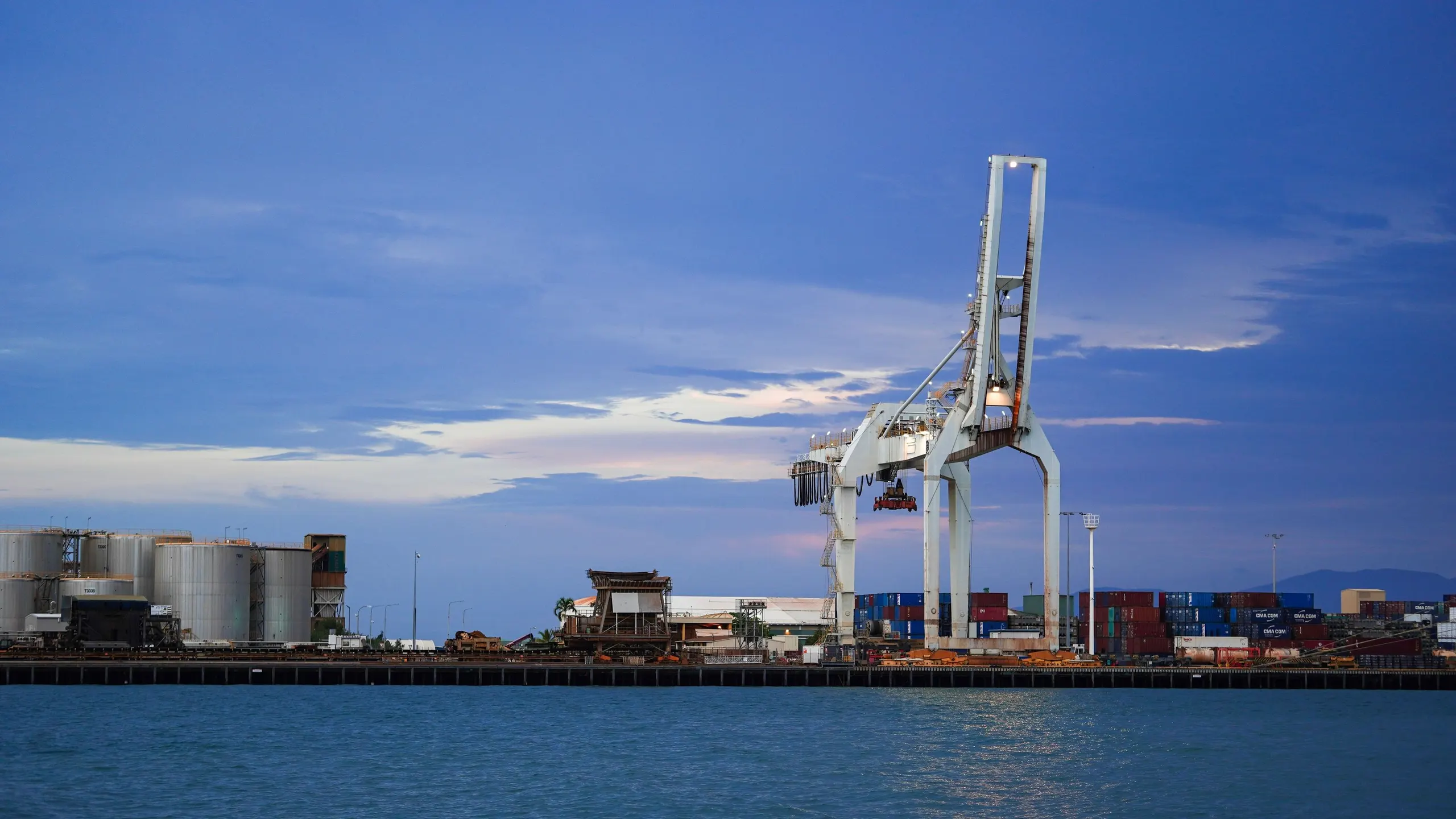
First import: the ten steps and the mistakes that cost dearly
First import often rhymes with deposit paid too quickly and customs clearance discovered too late. This article unfolds the ten steps of a first purchase abroad and details the mistakes that cost the most.
The ten steps of a first import
A first import almost always follows the same path. It does not require rare talents, but method and patience. Here is the sequence we follow for our clients, from idea to customs clearance.
- Define the product: function, materials, dimensions, finishes, packaging, in a written specification.
- Identify the applicable regulations in Europe before any contact with a factory.
- Identify suppliers via trade shows and platforms, then pre-select a shortlist.
- Verify each supplier: business license, years in business, actual factory, client references.
- Order samples, compare them, then set the reference sample.
- Request comparable quotes: same product, same quantities, same Incoterm.
- Negotiate price, minimum order quantity, lead times, and payment terms, then sign a contract.
- Pay the deposit into the company's bank account, never into a personal account.
- Monitor production, have the goods inspected before loading, then ship.
- Clear customs: declaration, duties, VAT, conformity documents, then reception and final check.
The product and compliance decide everything
Many beginners contact factories with a photo and a vague idea. They receive incomparable quotes, discover misunderstandings on materials, and experience difficult returns. A written specification, even short, eliminates most of these frictions. Describe the function, dimensions, tolerances, materials, packaging, and marking expected on the product.
Compliance is prepared before the order, not after. Depending on the product family, CE marking, the REACH regulation on chemicals (Regulation (EC) No 1907/2006), or sector-specific rules apply. Non-compliant goods may be refused at customs, even destroyed. Request valid test reports and verify them with the issuing laboratory.
- Specify the intended use and end user: products for children or in contact with food are subject to stricter rules.
- Require test reports covering your exact reference, not a similar model.
- Keep a sealed sample from each side from the validation stage.
Read next Product specification: the tech pack the factory follows · REACH and Regulated Substances: The Importer's Checks
Find, verify and test a supplier
Platforms like Alibaba, 1688, or Made-in-China give access to tens of thousands of sellers. The Canton Fair, in Guangzhou, is held twice a year and allows you to meet hundreds of workshops in a few days. The real problem is not finding them, but knowing who is behind the listing: a trading company or an actual factory.
Verification starts with the business license, which bears a unified social credit number of eighteen characters. Check that the name of the payment beneficiary exactly matches this document, otherwise refuse the transfer. Then ask for photos of the workshop in production, a live video call, or better, a visit if the stakes justify it.
Samples conclude this work. Order several, compare them, then freeze the reference sample that the factory commits to reproduce. Without this reference, no inspection standard exists, hence no solid recourse in case of dispute.
Read next Canton Fair user guide: dates, phases, and buyer badge in Guangzhou · Verify a Chinese Factory: License, Capital, and Visit
Negotiate, sign, pay without being trapped
A quote is only as good as its assumptions. Specify the Incoterm, packaging, quantities and lead times before comparing a price. An ex-works price and a delivered price can differ significantly for the same product. The proforma invoice then locks in these elements and serves as the basis for payment.
On the payment side, the common practice remains a deposit upon order and a balance before loading. Insist on payment to the company account, never to a personal account, even if the person presents themselves as the director. Request a written schedule and link each payment to a visible deliverable, such as production photos or the inspection report.
The purchase contract, ideally bilingual, includes specifications, acceptable defect levels, late penalties and the dispute resolution method. This document does not replace trust, it makes it enforceable if the relationship deteriorates.
Read next Incoterms for import from China: EXW, FOB, DDP, which Incoterm to choose · Factory payment terms in China: deposit, balance, L/C
Produce, inspect, ship, clear customs
Production without milestones reveals problems too late. Validate a pre-series before the series launch, request photos at each key phase, then have the goods inspected before loading using an AQL sampling plan as described by ISO 2859-1. Its cost is low compared to the risk covered, and this control precisely protects the money already committed.
For transport, choose a freight forwarder at the time of order and set the Incoterm knowingly. Under ex-works, you organize the entire journey and take out cargo insurance. At the ship's rail, risk transfers at the port of loading. In both cases, demand the transport documents and packing list before departure.
Arrival is prepared in advance. You will need an EORI number, issued free of charge by your customs administration in the European Union. The declaration is based on a commodity code, a customs value and the origin. Duties depend on the code, import VAT can be recovered by a taxable person, and in France it can be reverse-charged. Prepare these elements before the port call, not on the day of arrival.
Read next Pre-shipment inspection: the PSI protocol in China · Customs clearance for import into the EU: steps, step by step
The most costly mistakes
First imports that go wrong often fail on the same points. None require a large budget, all require attention.
A simple rule sums up these points: never pay for something you have not defined, verified or seen. Each payment must correspond to a controllable deliverable, from deposit to balance. With this discipline, most common setbacks lose their grip.
- Paying a deposit to a personal account after a few messages exchanged.
- Ordering without specifications or a reference sample, then suffering the received quality.
- Discovering compliance rules at customs clearance, when it is too late.
- Comparing prices that do not cover the same Incoterm or the same specification.
- Skipping pre-shipment inspection to save a small amount.
- Confusing ex-works and delivered to you, then paying urgent air freight.
Read next Comparing two factory quotes on equal terms, without misreading the price · Golden sample: the reference sample that settles disputes
What Sorva does for you
Sorva is a brokerage and sourcing firm. For a first import, our sinophone team in Guangzhou verifies the factory before the first payment, puts several workshops in competition, negotiates the price and terms, monitors production and arranges pre-shipment inspection. You receive a written update and accompanying documents at each step.
In most cases, you pay no fees: you open a file, we negotiate the goods for you and we take a commission on their ex-works value. To start, open your file and describe your product: we come back to you with a tailored step plan for your schedule.
Remember the order of the ten steps and refuse to skip any, especially before the first payment. Start by writing your specifications, then have the supplier verified before any payment.
Let's talk about your project
Frequently asked questions
01Is an EORI number required for a first import?
02What documents must the factory provide before shipment?
03How much time to allow between first contact and receipt?
04Can we let the factory handle delivery to the warehouse?
The service that matches
- CommissionVolume commissionYou open a file, we find and negotiate the factory. We are paid only on the goods you order.€150file opening feeView service
- One-off serviceSupplier checkWho the company really is: business licence, capital, permitted scope, export rights.€79per supplierView service
- One-off servicePre-shipment inspectionQuantities, packing, marking, container condition and a photo report, before the goods leave.€229per loadingView service