
Factory audit in China: points to check and documents to request
Before paying a deposit to a Chinese factory, you need to know who will actually produce your order. This article details the process of a factory audit: documents to require, control points on site and signals that a remote exchange never reveals.
What a factory audit checks, and what it does not check
A factory audit is a structured visit to a supplier's premises, in China or elsewhere. It is not limited to a workshop tour: documents are cross-checked, real production is observed, and specific questions are asked. A factory visit typically lasts a full day, including travel. It must be prepared before entering the workshop.
The audit answers three questions. Does this factory actually manufacture products of my type? Can it meet my volumes and deadlines? What happens if a batch arrives non-compliant? A video call or a photo album is not enough: distance hides exactly what an audit seeks.
An audit does not guarantee the quality of future production runs. It establishes a snapshot in time. It differs from in-factory quality control, which checks a specific production, and from pre-shipment inspection, which examines cartons ready to leave. It precedes the order; it does not replace it.
Read next Pre-shipment inspection: the PSI protocol in China
Documents to request before and during the visit
Request documents before traveling. You will filter out factories that do not deserve the trip and arrive with a list of points to cross-check. A serious factory transmits these documents without delay. A refusal or repeated delay is already information.
On site, read each document in the original and cross-check: the company name must match the bank account beneficiary name. Any discrepancy blocks the next steps. A license proves that a company exists, not that it knows how to produce your reference.
- Business license (营业执照) with its 18-character unified social credit code, including operating permit
- Chinese public registers: company name, year of incorporation, registered capital, registered activities, any legal proceedings
- Product certificates specific to your category: test reports, licenses, exact scope and sample concerned
- Bank details in the company name, never in a personal account name
- Two or three export customer references, with their consent to be contacted
Read next Product technical documentation: what the importer must hold
Points to check on site, workshop by workshop
Plan a full weekday, with an interpreter. A supplier audit proceeds from the outside inward: first the site, then the workshop, then the administration. Write everything down, on a checklist prepared before the visit. Impressions fade; notes remain.
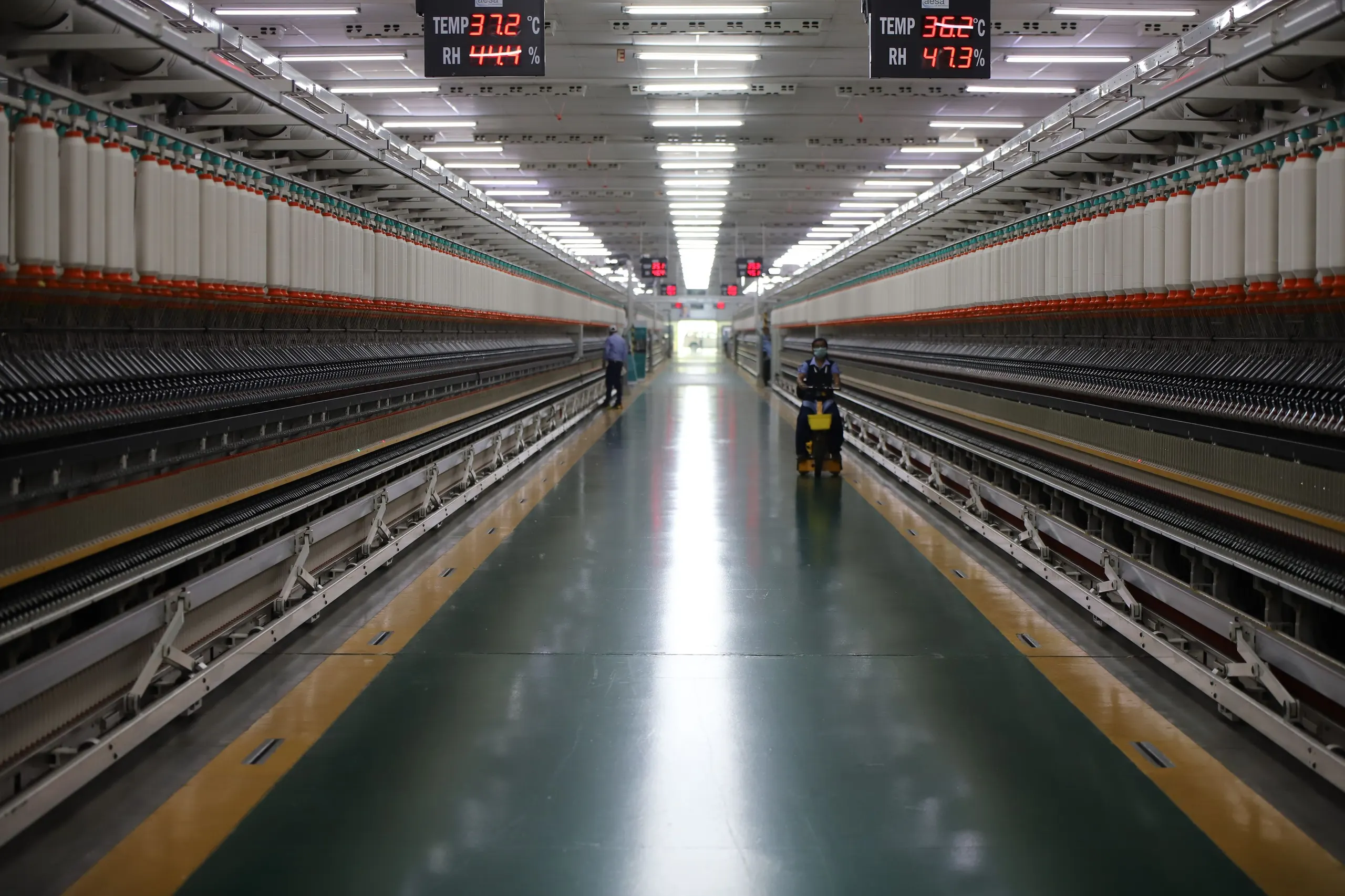
Look at the balance between production and storage areas, the number of running lines, the product actually moving on those lines, the condition and maintenance of machines, lighting, ventilation, and the flow from raw materials to shipment. Look for a quality control post or department: measuring instruments, dedicated area, completed control records.
Ask to see the line that would produce your reference and work-in-progress parts close to yours. This is the core of the factory visit: a factory showing products from other families, or samples from a neighboring workshop, proves nothing about its own capability. If the relevant workshop is inaccessible, ask why. Finally, compare the headcount present that day with the headcount stated in writing: a significant discrepancy requires an explanation. An empty factory on a weekday raises a simple question: what was it producing, and for whom?
Read next AQL Levels Explained: 2.5, Sampling, and Worked Examples
What is not visible: subcontracting, real decision-maker, weak signals
The most important part of an audit is not seen; it is heard. Look for the real decision-maker: it is often he who makes the call, he who decides on a re-run, he who can promise a lot and deliver little. A salesperson follows a script; a boss answers differently. Our Chinese-speaking team in Guangzhou asks these questions in Mandarin, which changes the quality of the answers obtained.
Ask who buys the raw material, who decides when a batch fails inspection, which steps are done in-house and which are outsourced to a neighbor. Subcontracting is common in Chinese industry and is not illegal; it becomes a problem when it is hidden. A factory that subcontracts in cascade, without telling you, sometimes produces your reference in three different places.
Also observe what is not part of production: cafeteria, toilets, fire extinguishers, exits, signage, apparent seniority of workers, on-site housing. A clean workshop does not guarantee compliant products. But certain neglect signals real problems: deficient safety, high turnover, a factory set up only a few months ago.
Read next Purchase contract with a Chinese supplier: clauses and value · Protect your molds, designs and trademark in China
After the visit: classify, cross-check, decide
A factory visit is only as good as its conclusion. Review your notes the same day and classify each point into three categories: blocking, to monitor, acceptable. This discipline prevents you from leaving with a vague impression and photos without follow-up.
A blocking point is cross-checked once more, then a decision is made. Three common examples: a company name that does not match the bank account, a refusal to show the relevant workshop, a certificate not found in public databases. In these cases, you walk away, regardless of the price quoted.
A point to monitor is turned into a written requirement: capacity confirmed in writing in the proforma, commitment on deadlines restated in the contract, subcontracting prohibited unless expressly agreed. An acceptable point is simply noted and reviewed before placing the order. A refusal to visit, without a serious alternative offered, disqualifies the supplier: a factory that hides its workshop often hides something else. The cost of a trip and a day is limited compared to that of a non-compliant batch or a lost deposit.
Read next How to read a Chinese proforma invoice: line by line
What Sorva does for you
Sorva, a brokerage and sourcing firm, organizes and manages your factory audit from start to finish. Our Chinese-speaking team in Guangzhou prepares the question grid specific to your product, travels throughout Guangdong province and, beyond upon request, asks questions in Mandarin and reads the original documents. We cross-check the company name, certificates and bank account, then send you a structured report with blocking points and recommendations, before any transfer.
In most cases, you do not pay fees: you open a file, we negotiate the goods for you and we take a commission on their ex-works value.
A factory audit cross-checks documents, observes actual production, and identifies the real decision-maker, all in one day on site. Request the documents before the trip, reject any discrepancy between registered name and bank account, and classify your findings as 'blocking', 'to monitor', 'acceptable'.
Let's talk about your project
Frequently asked questions
01How long does a factory audit in China take?
02Can a factory be audited remotely via video call?
03What documents should a Chinese factory present during an audit?
04What to do if the factory refuses the visit or keeps postponing?
05Does a factory audit guarantee the quality of future production runs?
The service that matches
- CommissionVolume commissionYou open a file, we find and negotiate the factory. We are paid only on the goods you order.€150file opening feeView service
- One-off serviceFactory visit · GuangdongOne factory, a day on site, a dated photo and video report.€249per factory visitedView service
- One-off serviceIn-depth supplier checkLitigation, penalties, tax rating, intellectual property: the full file before you commit a production run.€149per supplierView service