
Sea freight from China: FCL or LCL, costs, transit times and break-even point
You are hesitating between booking a full container or entrusting your boxes to groupage. This article prices both options, gives the break-even point and details the pitfalls of LCL before you book.
FCL and LCL: two ways to sail the same sea
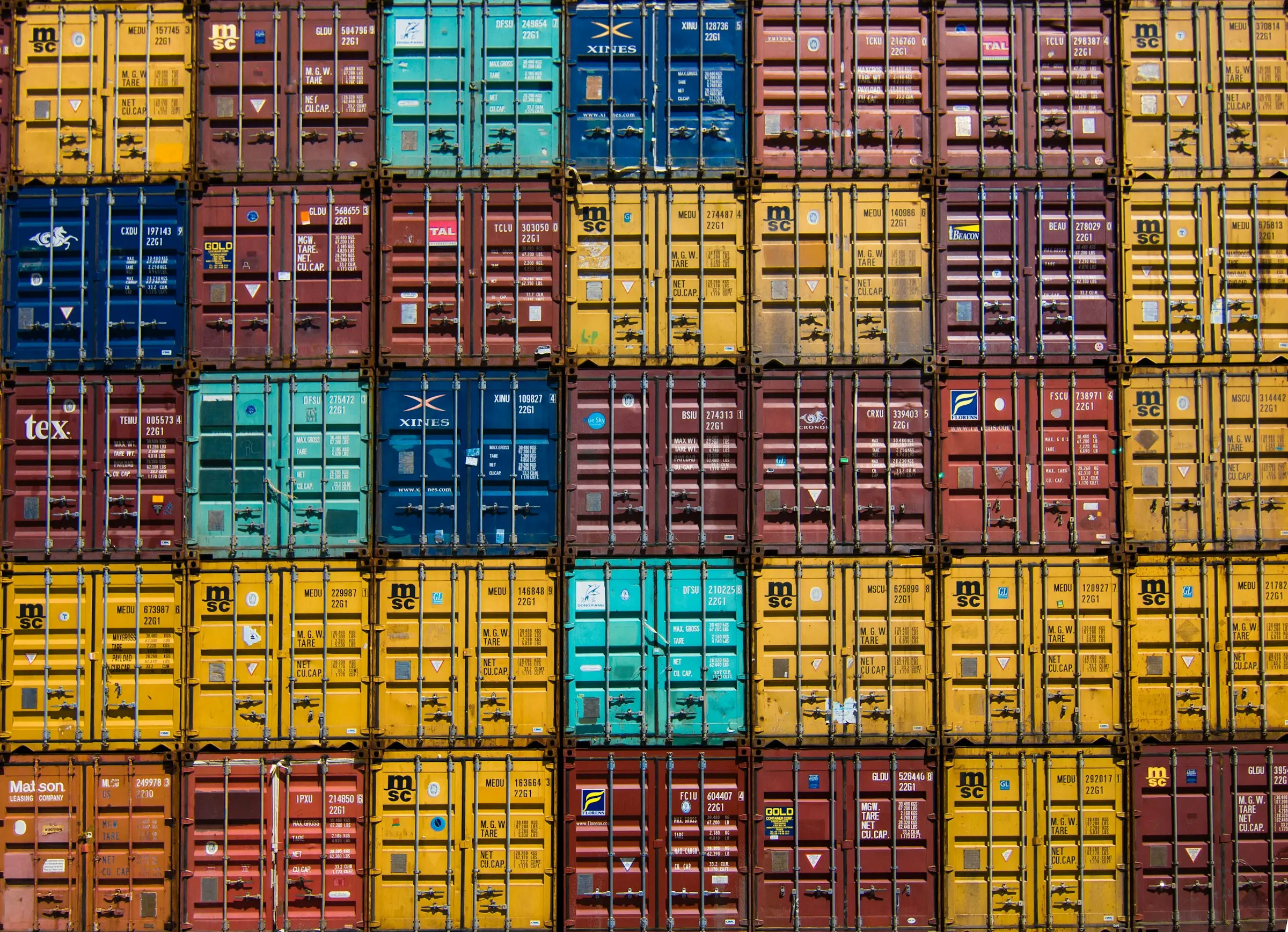
FCL (Full Container Load) means a container reserved for you alone. A 20-foot container offers about 33 m³ of internal volume, a 40-foot container about 67 m³. It is loaded and sealed, often at the factory, then cleared under your name. LCL (Less than Container Load) groups shipments from several shippers in one container. You pay for the volume your cartons occupy, not the whole container.
The choice is rarely based on the displayed price alone. In LCL, each step, from reception at the consolidation terminal to deconsolidation in France, generates fees. In FCL, you pay for a container, but you control sealing, customs clearance, and handling. Always compare the full door-to-door cost, never just the ocean freight: that is where unpleasant surprises hide.
- Choose FCL if you ship more than half a 20-foot container, or if your goods are fragile, heavy, or high-value.
- Choose LCL for product trials, restocking, or shipments of a few cubic meters.
- In both cases, demand a door-to-door quotation, including destination charges.
Read next Landed cost: the full formula for your delivered unit cost
What a full container China · France costs
Ocean freight is just one line on the invoice. Added to it are terminal handling charges (THC) at both ends, fuel surcharges, freight forwarder documentation fees, the ENS declaration required by the European Union, verified gross mass (VGM), pre-carriage in China, and final transport in France. The container price itself varies greatly by route, season, and available capacity: it rises sharply after Chinese New Year, then ahead of the October Golden Week.
On the loading side, a 20-foot container accepts about 33 m³ internal volume and a nominal payload close to 28 tonnes, often reduced to about 24 tonnes by European road regulations. A 40-foot container offers about 67 m³ but a comparable payload: it is used for voluminous shipments, not heavy ones. Prepare an accurate packing list and ensure weight distribution is respected during loading.
- Ocean freight, negotiated on the outbound leg, very sensitive to season
- THC at origin and destination, fuel surcharges, and documentation fees
- VGM mandatory before loading (SOLAS amendments of 2016)
- ENS to the European Union, transmitted via ICS2 since 2024
- Pre-carriage from factory · port in China, final transport in France
- Cargo insurance, optional, rated on declared value
Read next Cargo transport insurance: coverage, deductible, exclusions · Chinese New Year 2027: factory calendar and import timeline
What LCL consolidation costs, line by line
In LCL, freight is billed on a W/M basis: the carrier charges by volume in cubic meters or weight in tonnes, whichever yields more, with one m³ equivalent to one tonne. Consolidation terminals also apply a minimum billing amount, often around one to two m³, which impacts very small shipments. The rate quoted per m³ seems modest: the invoice depends on the details.
At destination, other charges appear: container deconsolidation, terminal handling, manifest fees, delivery order issuance, sometimes document inspection fees. These fees are billed to the importer, not the shipper. On average shipments, their total can equal the ocean freight itself. Before comparing two consolidation offers, request the complete breakdown of destination charges, line by line, and have each item confirmed in writing.
Read next Freight Forwarder for Import from China: Role, Limits, Choice
The break-even point: when a full container becomes cheaper
The most common rule of thumb among freight forwarders: beyond half a 20-foot container, i.e., about 12 to 15 m³ depending on the route and season, cumulative consolidation often costs more than a full container. The fixed costs of LCL, charged at each handling, eventually exceed the rental of a container you would not have filled.
The exact threshold depends on the rate per m³, the minimums applied, and destination charges. When you approach the tipping point, get quotes for both options on a door-to-door basis. Also note that FCL often transits faster: no consolidation wait at origin, no deconsolidation at destination, direct customs clearance. At equal volume, a full container simplifies the chain as much as it can make it less expensive.
The pitfalls of LCL, seen from factory and dock
Consolidation is not a small container: it is a chain of intermediaries and additional handling, in China as in France. The problems below recur regularly in cases. None are fatal if anticipated in writing.
- Inflated destination charges: some introductory rates offset freight through deconsolidation. Demand the full breakdown before booking.
- Customs hold: if a co-shipper has issues, your goods may remain stuck in the container during inspection.
- Breakage and losses: each handling multiplies risks. Pallet, strapping, carton-by-carton marking, numbered packing list.
- Minimum billing: below the minimum, you pay the billed volume, not the actual volume.
- Irregular departures: a consolidation container only ships when the consolidator has filled it. The announced lead time is not guaranteed.
- Limited compensation: the carrier's liability is capped and claims prescribe after one year (Hague-Visby Rules). Insurance is therefore essential.
Read next Non-conforming goods: what to do with a Chinese supplier
What Sorva does for you
Sorva is a brokerage and sourcing house located near your factories. Our sinophone team in Guangzhou consolidates your suppliers' volumes, checks the proforma and actual cubic volume, then puts freight forwarders in competition for freight, both FCL and LCL. We decide on the format at the time of the order, based on volume, schedule and value of the goods, and we follow the shipment up to customs clearance.
In most cases, you pay no fees: you open a file, we negotiate the goods for you and we take a commission on their ex-works value. Freight is negotiated in the same move as the purchase price: that is often where margin points are recovered.
Always compare the door-to-door cost, including LCL and FCL: the break-even point is generally around half a 20-foot container. Before booking, open a file with us: we have both options quoted and negotiate freight at the same time as the goods.
Let's talk about your project
Frequently asked questions
01From what volume does FCL become cheaper than LCL?
02Why does my groupage cost more on arrival than at departure?
03How long does a sea shipment from China to France take?
04Can we consolidate several suppliers in one container?
The service that matches
- CommissionVolume commissionYou open a file, we find and negotiate the factory. We are paid only on the goods you order.€150file opening feeView service
- One-off servicePre-shipment inspectionQuantities, packing, marking, container condition and a photo report, before the goods leave.€229per loadingView service
- Ongoing supportMonthly managementA buying programme run continuously, with two inspections included each month and a dedicated contact you can reach.€490per month, excluding VATView service